
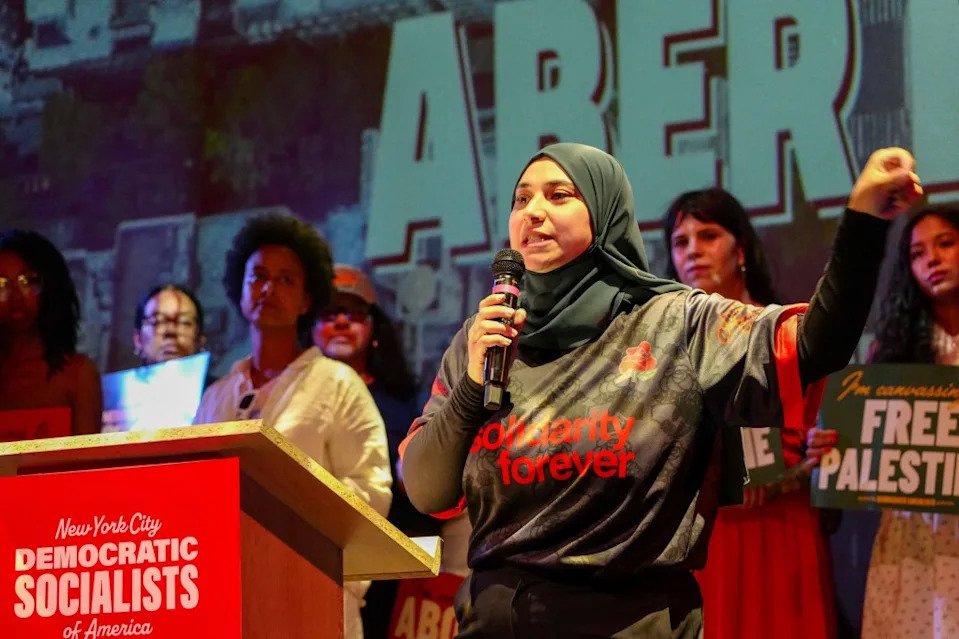
The victory of Aber Kawas in a New York Democratic primary is being viewed by many as a local political story. It is not. The real story is much bigger and far more consequential: the anti-Israel movement in the United States is no longer confined to university campuses, activist circles, or street demonstrations. It is beginning to translate its influence into electoral victories, legislative agendas, and institutional power.
It has taken many years for pro-Palestinian activism to make any sort of impact within American politics.
For years, pro-Palestinian activism existed largely on the margins of American politics. It was visible through student movements, lobbying groups, and even some debate within Congress, but never enough to influence an election. However, things are changing. What used to look like a protest movement is slowly turning into a political movement that can win primaries, shape policy discussions, and influence politics.
The significance of Kawas’s victory lies not merely in her personal background or campaign platform. It lies in the fact that she openly embraced positions that would have been considered politically risky only a few years ago. Her association with campaigns seeking to restrict financial support for Israeli-linked organizations reflects a broader ideological shift taking place inside sections of American progressive politics. The objective is no longer simply criticizing Israeli policies. It is about challenging the financial, political, and institutional foundations of the US-Israel relationship itself.
This trend gains special significance in light of New York’s demographics. The state harbors the largest Jewish community anywhere outside Israel, numbering in excess of 1.7 million. It has long been considered one of the pillars of political and economic support for Israel within the US. For candidates running under an anti-Israel platform to start winning in New York means much more than just a shift in demographics. It suggests that the political debate surrounding Israel is entering territory that would have seemed unimaginable a decade ago.
This pattern can be observed in the polls. Since October 7, polls have been revealing a rift within the electorate of the US with regard to Israel. Younger generations of voters, especially those aged 35 and below, demonstrate much less sympathy towards Israel than older ones. Polls by organizations like Pew Research Center and Gallup have revealed widening partisan divisions, with strong support of Israel among Republicans and increasing controversies about it among liberal Democrats. Generational split may be even more significant than partisan. Political views formed today determine voting behavior for many years ahead.
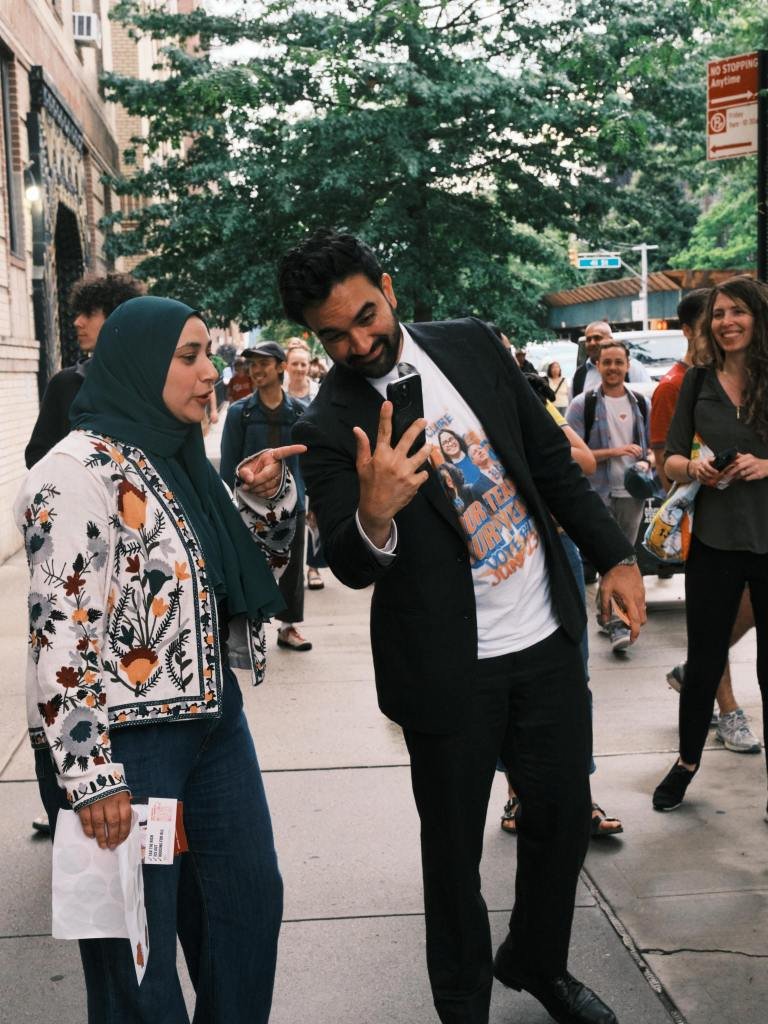
It is part of an overall trend which is not taking place independently of any other trends. It is linked to the emergence of a new generation of political leaders who regard the Palestinian question not as an item on foreign policy, but as part of a much wider political ideology relating to race, colonialism, social justice, and power. That connection gives the issue a level of emotional and political energy that traditional foreign policy debates rarely generate.
For Israel, the challenge extends beyond public relations. Israel has spent decades cultivating bipartisan support in Washington because American political backing has been one of its most important strategic assets. Since 1948, the United States has provided well over $150 billion in various forms of assistance to Israel. Military aid, diplomatic backing at international institutions, intelligence cooperation, and defense partnerships have all relied upon a relatively stable political consensus.
What makes this trend particularly disturbing for many is its direct attack on that very consensus. Campaigns directed at investigating charities linked to Israel, challenging their tax-exempt status, cutting off funding sources, or even pressuring groups working for Israeli interests legally is a move from talking the talk to walking the walk. Activists are not merely trying to get people to change their minds. They are trying to change laws and regulations.
The concern for Israel is not that one candidate won one election. Democracies routinely produce politicians with diverse views. The concern is that a movement which once relied on protests is beginning to acquire the tools of governance. Elections confer legitimacy. Legislative offices provide influence. Political victories attract donors, volunteers, media attention, and future candidates. Each victory creates a foundation for the next one.
This is the reason why this development needs much more attention. It is the growth of a political movement that tries to turn the opposition to Israel from activism to governance. The battlefield is no longer limited to demonstrations, university campuses, or social media campaigns. It is moving into legislatures, policy debates, and electoral politics.
For decades, Israel’s opponents in America sought to win arguments. Today, many are trying to win power. That distinction may prove far more significant than any single election result. The real question is not whether anti-Israel activism exists. The question is how much political authority it can accumulate before it begins reshaping the institutions that have long underpinned one of America’s most enduring foreign policy relationships.