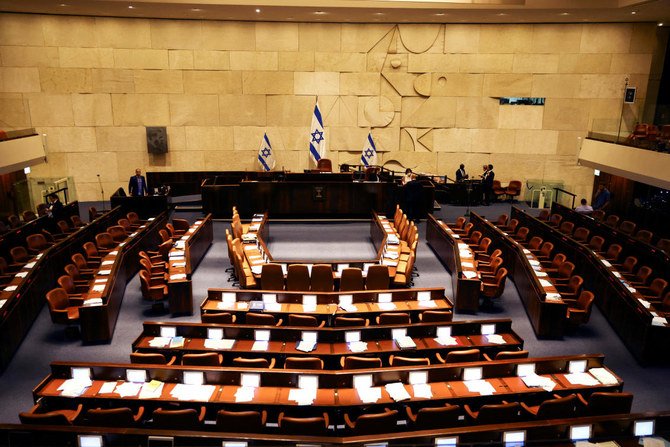
For years, Israeli politics had been centered on a promise: that Israel could shape the strategic environment around it, rather than be shaped by it. Few leaders have embodied that promise more than Prime Minister Benjamin Netanyahu, whose political career has been defined by his efforts to combat Iran, sounding alarms about its nuclear ambitions, and positioning himself as the leader who could prevent Tehran from becoming the dominant force in the Middle East. But the diplomatic developments emanating from the Switzerland talks reveal a stark and uncomfortable reality. With Israel heading toward a critical election, the country’s political future looks shaped not only by the choices made in Israel, but by events unfolding in Tehran, Doha, Islamabad, and Washington.
The confrontation with Iran was sold to many Israelis as a strategic struggle designed to weaken Tehran’s regional influence, reduce its leverage, and create a fundamentally different balance of power across the Middle East. Instead, the aftermath has produced a diplomatic landscape in which Iran remains a central actor at the negotiating table, while discussions affecting Israel’s security are taking place in forums where Israel’s influence appears more limited than many expected. Regardless of whether one supports or opposes Netanyahu, this outcome raises fundamental questions about the gap between military achievements and political results.
The Switzerland negotiations symbolize this transformation. Iran was not treated as an isolated state facing strategic defeat. Rather, it was engaged as a necessary participant in shaping future regional arrangements. The talks reportedly addressed not only nuclear issues but also broader questions involving regional security and Lebanon. For many observers in Israel, this is precisely what makes the current moment politically sensitive. The country spent years attempting to constrain Iranian influence, only to find Tehran occupying a central position in discussions about the future security architecture of the Middle East.
Compounding this perception is the growing role of Qatar. Once known chiefly as a rich Gulf monarchy with outsized media sway, Qatar has turned into one of the region’s most significant diplomatic middlemen. In hostage negotiations, ceasefire deals, or broader regional diplomacy, Doha has shown itself to be a power broker able to talk to players who frequently refuse to speak directly with each other. Once again, the Swiss framework demonstrated Qatar’s ability to position itself at the heart of major regional developments. For Israel, this creates a paradox: a small Gulf state is helping to shape outcomes that are directly affecting Israeli security calculations and political future.
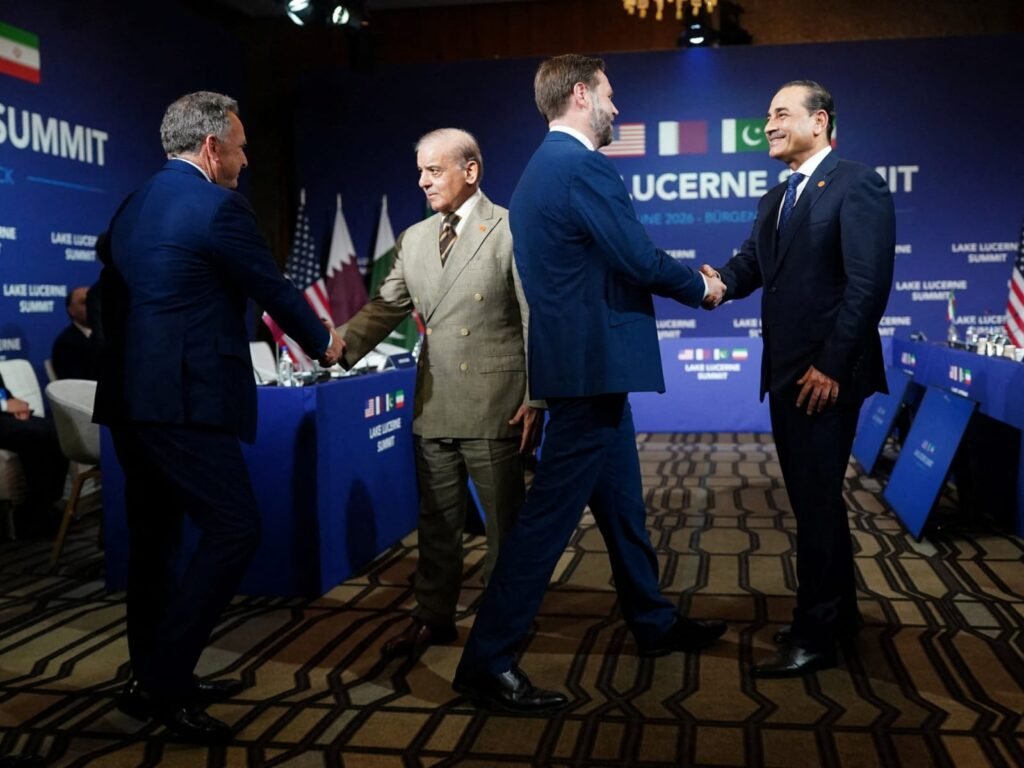
Pakistan’s participation adds another unexpected dimension. Historically, Pakistan remained largely outside the central dynamics of the Israeli-Iranian rivalry. Today, however, Islamabad is playing a visible role in diplomatic efforts connected to regional stability and US-Iran engagement. This development reflects a broader shift in Middle Eastern geopolitics, where traditional alignments are being supplemented by new diplomatic coalitions and mediators. The symbolism matters. A state that does not maintain diplomatic relations with Israel is now participating in conversations that could influence issues directly tied to Israel’s national security environment. We can say that Islamabad has also earned a central chair at the table where Israel’s Political future will be decided.
These dynamics have serious political ramifications for Netanyahu. For decades, he has painted himself as the man who could sway Washington and dictate America’s policies regarding Iran. But when talks take on certain paths which are viewed skeptically by many Israelis, this idea of influence starts to dissolve. While elections may be won through war, they may also be lost when there is a perception that the bigger strategic battle is being won by one’s opponents. Even with substantial wins on the battlefield, this could be problematic if the bigger picture shows victory for the enemy.
The deeper significance of the Switzerland talks, therefore, extends far beyond the details of any specific agreement. They represent a reminder that power in the modern Middle East is no longer measured solely through military capabilities. Diplomatic leverage, mediation networks, economic influence, and international legitimacy have become equally important tools of statecraft. Iran understands this reality. Qatar understands it. Pakistan appears willing to capitalize on the opportunity. The United States remains the most powerful practitioner. Israel now faces the challenge of navigating a regional environment where diplomatic influence may prove as decisive as military strength.
As election season approaches, this reality is likely to dominate political debate. The central question confronting Israeli voters is no longer simply whether Iran has been weakened or whether military objectives have been achieved. The larger question is who now shapes the strategic future of the region. If key decisions affecting Israel’s security are being influenced by negotiations involving Tehran, Washington, Doha, and Islamabad, then the political consequences inside Israel could be profound. The ultimate irony is that a confrontation intended to reshape the region may end up reshaping Israel’s own political landscape instead.