
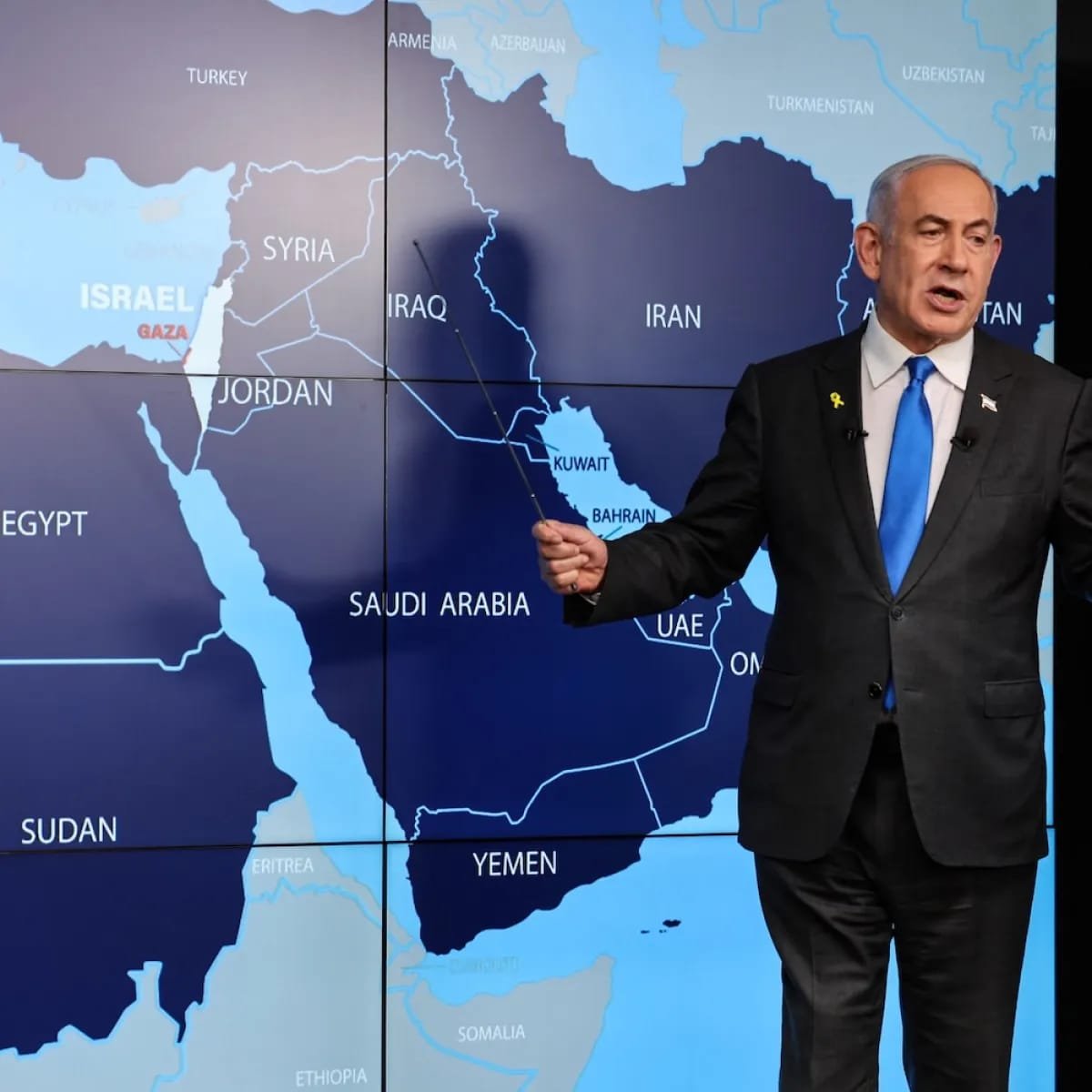
The geopolitical landscape of the Middle East, once painstakingly sculpted by the framework of the 2020 normalization agreements, is currently undergoing a traumatic and profound revision. As we approach the latter half of 2026, the optimism surrounding a “warm peace”, characterized by open trade, public military cooperation, and genuine regional integration, has largely evaporated. In its place, a more cynical and claustrophobic reality has emerged. Israel, which until recently stood as a central pillar of a new regional architecture, is finding itself relegated to a precarious status: that of a “mistress.” It is a relationship acknowledged and even utilized in private, but one that is strictly concealed from the public gaze, relegated to the shadows of the diplomatic sphere.
This regression is not merely the byproduct of the recent, brutal rounds of conflict, but rather the manifestation of a deepening strategic misalignment. The Abraham Accords promised that Israel’s security and technological prowess could be harmonized with the aspirations of its neighbors. For a brief window, this proved true. However, the post-October 7 reality has fractured this synthesis. While Israel’s military and intelligence agencies remain vital assets in the ongoing effort to contain the Iranian-led axis, the political conduct of the current government has rendered the state toxic in the eyes of its most pragmatic partners.
The irony of this isolation is that the strategic logic for alliance remains as compelling as it was in 2020. The shared threat of Tehran and its proxies continues to loom over Riyadh, Abu Dhabi, and Amman. Yet, the tactical necessity of coordinating with Israel is now constantly weighed against the political fallout of being seen with a state that many across the region and the world view as a destabilizing force. When Western capitals now convene to discuss the future of the Middle East, Israel’s exclusion from the inner circle is a deafening signal. We have transitioned from being a partner in collective decision-making to a party that is managed from afar, presented with agreements negotiated by others rather than invited to draft them.
Furthermore, we must confront the uncomfortable reality regarding our leverage in Washington. For decades, Jerusalem took pride in acting as a gatekeeper and an indispensable advocate for regional interests in the halls of power in the United States. That era has definitely closed. As Middle Eastern capitals have developed direct, high-level channels to President Trump, Israel’s role as the indispensable middleman has evaporated. We are now increasingly treated as a nation to be “handled” rather than a partner to be consulted.
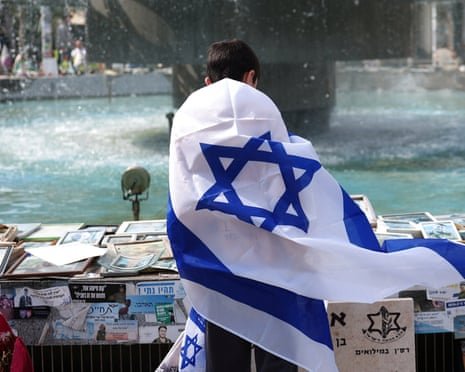
The relationship with the United Arab Emirates, once the crown jewel of our regional diplomacy, serves as the most painful barometer of this decline. The Emirati insistence that diplomatic engagement remain shrouded in total secrecy is not a matter of bureaucratic preference; it is a desperate survival mechanism. To be publicly identified as an active ally of this government is a burden that few regional leaders are willing to shoulder, especially when the perception persists that our true policy is one of unchecked annexation and the rejection of a political horizon.
This clandestine existence, this “mistress” status, is inherently fragile. It rests on the unstable assumption that our strategic utility will always outweigh the political and moral costs of our public posture. But how long can a government, or a region, maintain such a charade? The diplomatic infrastructure that once promised a bright future, the Negev Forum, the I2U2 initiative, and the vision of a trans-regional corridor connecting India and Europe, lies largely dormant, waiting for a political climate that seems increasingly distant.This is not to suggest that all is lost.
The recent shifts in the Lebanese theater demonstrate that we still possess the capacity to shape outcomes on our borders. However, we must internalize the lesson that military might alone cannot purchase the diplomatic legitimacy required for lasting regional integration. We are trapped in a cycle where our response to threats is perceived as a catalyst for further instability, confirming the worst suspicions of those we seek to call allies.
If we wish to move beyond this shadow diplomacy, we must acknowledge that a return to the status quo ante is not on the table. The regional powers are not merely looking for security; they are looking for a political vision that we have thus far failed to provide. Continuing to prioritize a policy defined by unilateralism and the rejection of a broader settlement will only deepen our isolation, ensuring that our regional ties remain limited to brief, whispered exchanges during times of crisis.
Our current path is not sustainable. We are rapidly becoming a regional asset that people use, but whose company they refuse to acknowledge in daylight. If we truly aspire to be a pillar of the Middle East rather than a clandestine burden, we must drastically re-evaluate our political trajectory. We need to demonstrate that Israel is a state that seeks to be a partner in regional stability, not the primary disruptor of it. Until then, we will remain confined to the periphery, watching as the rest of the world plans a future that, despite our enormous contributions to regional security, no longer includes us at the table.
As we navigate this period of diplomatic isolation, what specific policy pivots do you think are most critical for Israel to perform if it hopes to reclaim its status as an open and valued regional partner?