
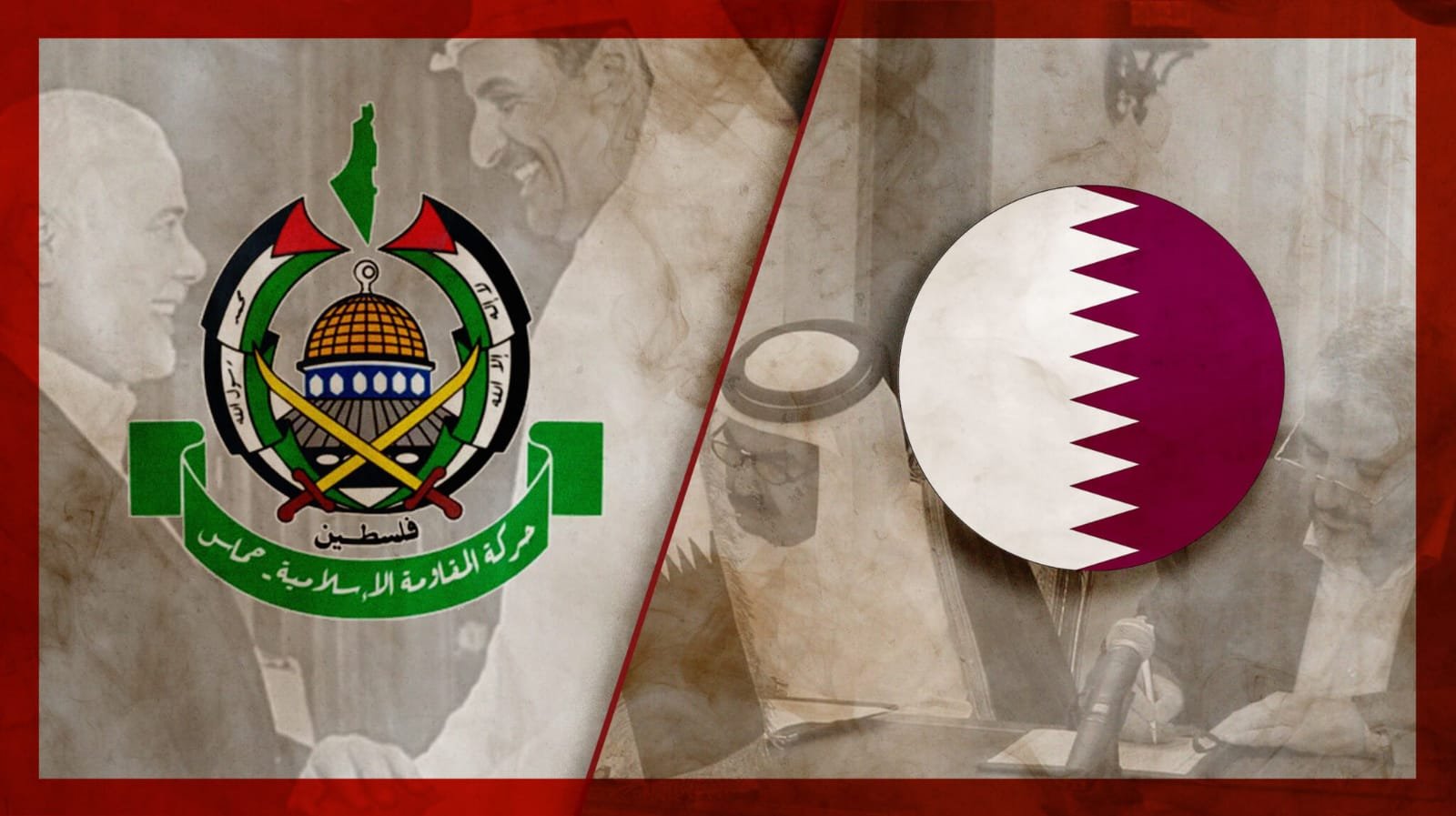
The veneer of neutrality has long been the primary instrument of Qatari foreign policy, a carefully cultivated mask that allows Doha to navigate the treacherous waters of Middle Eastern diplomacy while playing both sides of the aisle. For years, the international community has largely accepted the narrative that Qatar serves as an essential, if unconventional, bridge-builder, a vital interlocutor capable of communicating with Western powers while maintaining deep ties to radical non-state actors. However, this perception of an honest broker is rapidly collapsing under the weight of consistent, calculated actions that prioritize the destabilization of the Jewish state over regional peace. The reality is that Qatar has long since crossed the line from mediator to an active engine of hostility.
The core of this issue lies in a fundamental moral and strategic contradiction: a state cannot simultaneously provide a luxurious haven for the leadership of an organization explicitly dedicated to the destruction of a neighboring country and claim to be a neutral participant in the resulting conflict. By hosting Hamas leadership in the comfort of Doha, Qatar does more than just facilitate communication; it grants political legitimacy and protection to the very architects of the militia who target Israeli civilians. This is not the role of a neutral party; it is the role of a strategic patron. By providing a base of operations for those who incite violence, the Qatari authorities have made themselves complicit in the outcomes of that violence.
The criticism of Qatar is far from an isolated or strictly Israeli perspective. In 2017, this reality was starkly acknowledged by a coalition of major Arab powers, including Saudi Arabia, the UAE, Egypt, and Bahrain, who took the unprecedented step of severing diplomatic ties with Doha. Their consensus was clear: Qatar was actively financing extremist groups, interfering in the internal affairs of neighboring states, and functioning as a source of instability. That regional verdict, reached nearly a decade ago, remains as pertinent today as it was then. The diplomatic and financial instruments that Doha employs are not being directed toward de-escalation, but rather toward the long-term institutionalization of regional conflict.
This hostility is not confined to the battlefield or the negotiating table; it is being aggressively projected into the cultural and intellectual spheres of the West. Through the massive financing of university programs, think tanks, and advocacy groups across Europe and North America, Qatar has worked to construct a global narrative in which Israel is framed as the primary antagonist of the Middle East. Under the banners of academic freedom and civil rights, these institutions often create fertile ground for the normalization of antisemitic tropes and the justification of terrorism. When an agenda is funded with the explicit intent of demonizing a sovereign state and eroding its international standing, it ceases to be “soft power” and becomes a sophisticated weapon of psychological and political warfare.
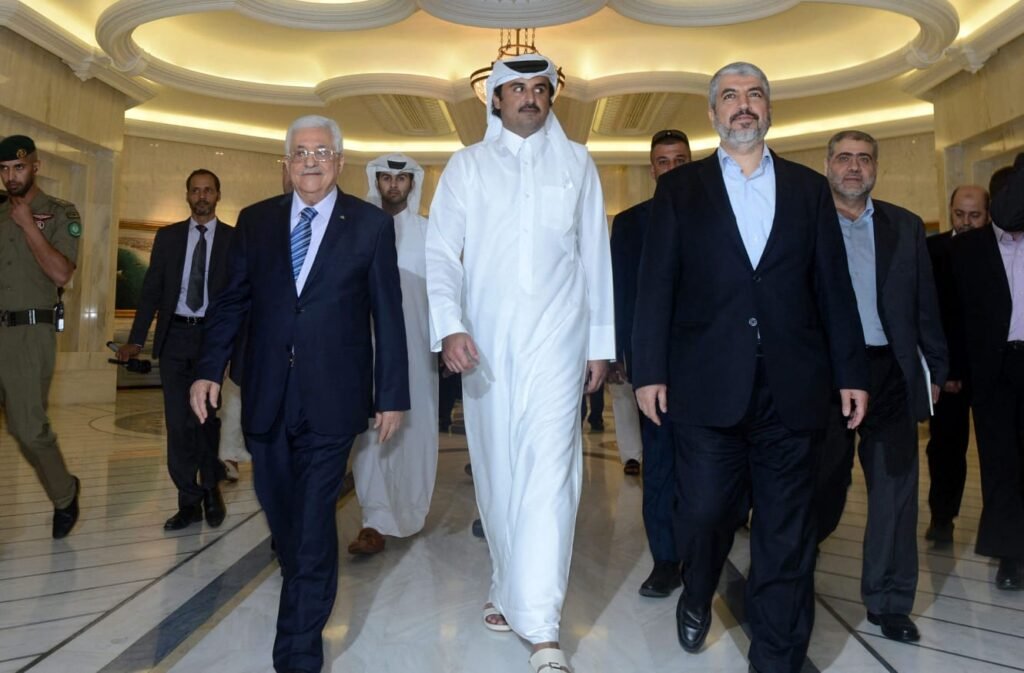
Perhaps most chilling is how this influence manifests in the corporate world, where Qatari capital is used as a blunt instrument to obstruct Israel’s basic right to self-defense. Reports of Qatari influence being wielded within major Western corporations, specifically to block the procurement or production of defensive technologies like the Iron Dome, demonstrate that Doha is willing to manipulate global supply chains to ensure that Israeli civilians remain vulnerable to rocket fire. This reveals a chilling moral calculus: that for the current leadership in Doha, economic power is a tool to be leveraged not just to influence policy, but to actively undermine the physical safety of a population.
The pragmatic argument often defended in Washington and other Western capitals is that such actors are “necessary” for delicate tasks like hostage negotiations. While there is certainly a place for cold-eyed realism in the conduct of international affairs, a dangerous threshold is crossed when that pragmatism devolves into total impunity. By failing to hold the financiers, ideologues, and hosts of militia accountable, the international community risks validating a catastrophic model: that states can profit from conflict, sustain extremist networks, and orchestrate geopolitical chaos, all while facing no consequences for the bloodshed they facilitate.
True regional security requires a decisive shift away from this hollow, transactional diplomacy. The era in which safe havens for the architects of terror can be protected by a superficial veneer of “mediation” must be challenged by those who value stability and human rights. Nations that profit from the currency of instability while pretending to seek peace are ultimately betting on a model that is both morally and strategically bankrupt. History has repeatedly demonstrated that policies built upon the systematic hatred of the Jewish state and the justification of indiscriminate violence lack any enduring foundation. If the international community intends to foster a more stable Middle East, it must finally prioritize accountability over convenience, recognizing that the most dangerous threats are often those that operate under the false guise of being the solution.
What do you believe is the most significant barrier for Western nations in moving beyond this transactional approach to re-evaluate their long-term dependence on such volatile regional actors?