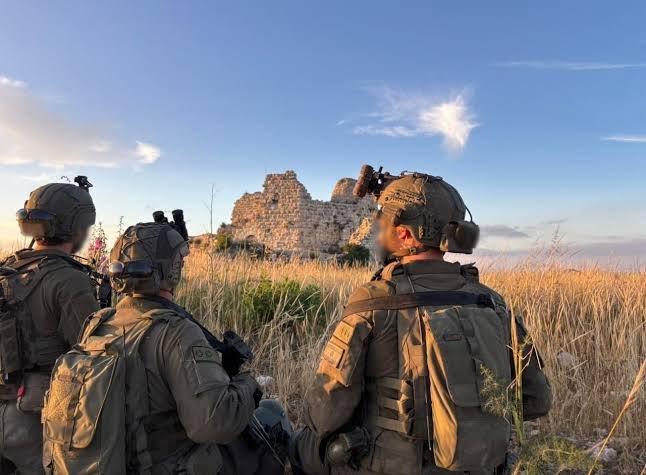
For many Israelis, the image of the national flag once again flying over the Beaufort fortress is more than a battlefield photograph. It is a powerful reminder of how profoundly Israel’s security doctrine has changed since the traumatic withdrawal from Lebanon in 2000.
The Beaufort holds an unusual position in Israeli military history. Conquered during one of the most renowned battles in the First Lebanon War in 1982, it soon came to represent the tough times that Israel faced while protecting its security zone in southern Lebanon. With the withdrawal of Israeli troops from Lebanon in May 2000, the country marked the end of what seemed to be an expensive and unpopular war. The 2007 movie Bufor expressed this sentiment: fatigue, disillusionment, and the sense that Lebanon was turning into a no-win situation.
Following Hezbollah’s entry into the conflict after the attack on Israel by Hamas, northern Israel is witnessing the worst security challenge in decades. Hundreds of thousands of people have been forced to evacuate from towns bordering Lebanon. Examples of such towns include Kiryat Shmona, where Israel found itself having its own security zone as opposed to Lebanon.
Israel followed a policy of restrained retaliation for almost one year, keeping its military operations centered around Gaza, and allowing Hezbollah to extend its offensive operations. This move was strategically justifiable, considering that Israel itself was recovering from the massive shock dealt to it by October 7, and the situation was compounded by the presence of threats on multiple fronts.
This turning point occurred in 2024 when the Israeli forces embarked on a concerted attack on the leadership, weaponry, and operations of Hezbollah. Since then, Hezbollah has lost more than ever before since its formation. The leaders have been killed, its military installations damaged, and it has become apparent that the Israelis are ready to operate within Lebanese soil anytime they want.
The return to Beaufort should therefore be viewed within this broader context. The fortress itself does not determine the outcome of the conflict. Modern warfare is shaped by intelligence, precision strikes, drones, and electronic warfare far more than by medieval strongholds. Yet geography still matters. Beaufort overlooks key approaches in southern Lebanon and has long served as a valuable observation point for whoever controls it.
The more important point here is the message that is being sent. In previous years, Hezbollah created an image that the Israeli government was lacking in political will for maintaining operations over prolonged periods. It was only through the withdrawals from Lebanon in 2000 and the aftermath of the 2006 war that this message was reinforced. However, the current operation is all about proving that image wrong.
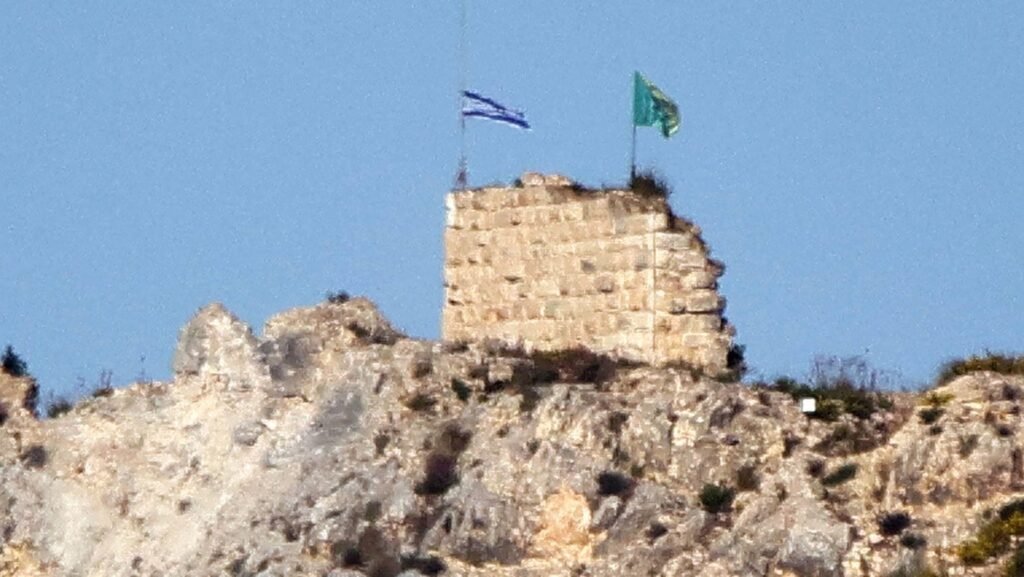
Symbolism in this case gains particular importance since it defies psychological development observed after October 2023. The majority of the period since the beginning of hostilities was marked by perception among the Israeli population that they were responding to events forced upon them by the enemy. However, the scenes captured in Beaufort defy this notion since Israel has regained the initiative.
At the same time, history offers an important warning. Israel captured Beaufort in 1982 as well, yet tactical success did not prevent years of costly conflict. Military victories must ultimately serve political objectives. The challenge facing Israel today is not simply to control strategic terrain but to create conditions that allow northern residents to live securely without facing constant threats from across the border.
This is why Beaufort is important. It is not simply a hilltop fortification. It is the emblem of Israel’s resolve to make sure that any security lapses from October 2023 do not occur again in the northern sector. If this occasion will mark a strategic success for Israel depends not on waving a flag but on whether the country’s success on the battlefield translates to security on the ground for its people.