
Strategic Analysis of Regional Overreach, Security Frameworks, and Asymmetric Warfare
1. Military Rhetoric versus Logistical Realities
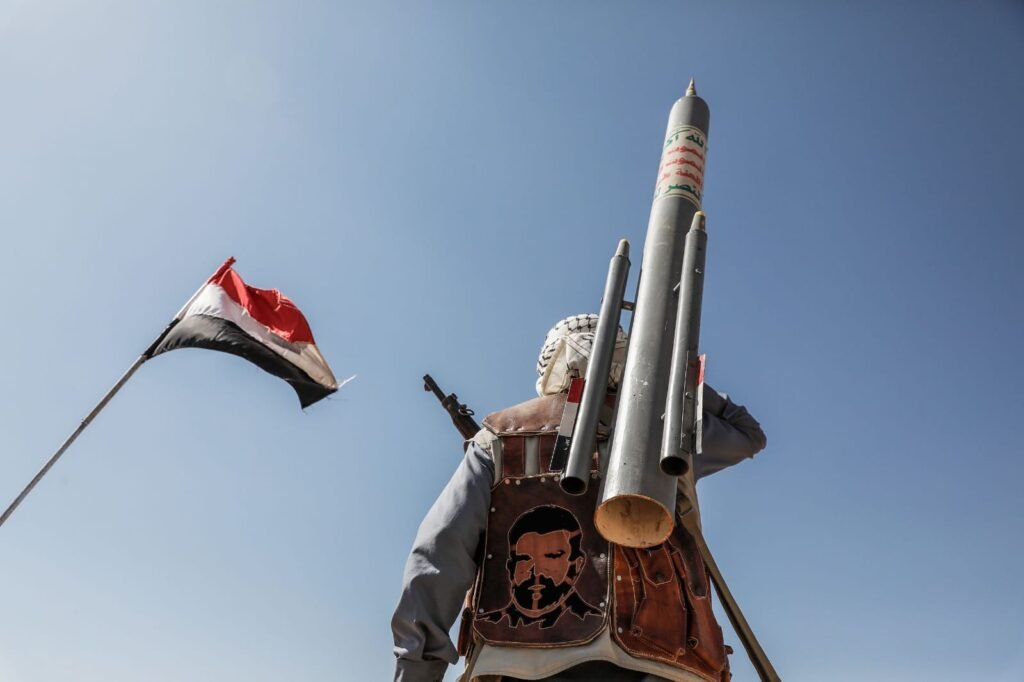
The military bravado echoing out of Sanaa presents an extraordinary study in strategic overreach. Houthi officials boast a registered force of over 200,000 fighters, backed by popular mobilization units, automated attack boats, and ballistic missiles. They declare that Saudi Arabia is a house of glass that fears stones. Yet, as the group threatens a multi front campaign against Saudi infrastructure, Red Sea shipping, and Israel, a cold assessment of their logistical reality reveals a far more precarious picture.The Houthis are attempting to project power as an indispensable regional heavy hitter. They have tied their survival directly to the operational calculus of Iran’s Islamic Revolutionary Guard Corps. But operating as a regional proxy in a localized vacuum is fundamentally different from sustaining a high intensity, multi front war against sophisticated modern state militaries.
2. Limits of Asymmetric Warfare and Domestic Fragility
For years, the group relied on asymmetric tactics to punch above its weight. Low cost drones, anti ship missiles, and cheap naval mines allowed them to inflict disproportionate economic damage on global trade corridors. But asymmetric harassment works best when enemies choose limited, restrained responses. By directly targeting Saudi oil tankers and launching strikes on civilian airports like Abha, the Houthis are pushing the region toward an escalation threshold that their internal economy cannot support.Inside Houthi controlled territory, the domestic front is already fractured under years of severe economic decay. Public sector salaries remain unpaid, living conditions are abysmal, and civil society is managed through harsh coercion. Recent emergency measures, such as forcing medical staff into military support roles, converting school basements into bomb shelters, and conducting forced civil defense drills, signal desperation rather than quiet operational confidence. The Houthi leadership is attempting to transform an exhausted, impoverished population into a human shield for an escalating regional war.
3. The Riyadh Islamabad Strategic Defense Axis
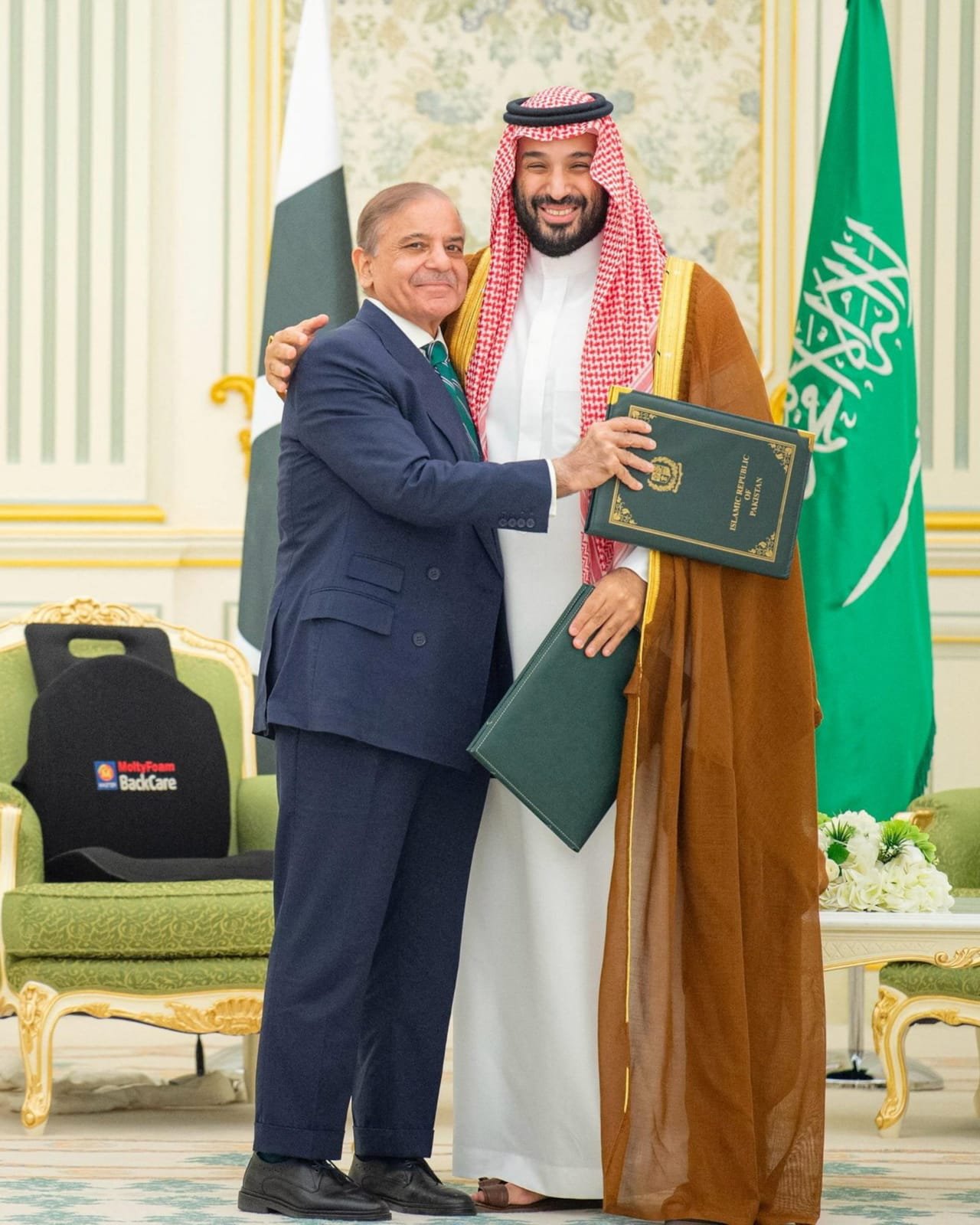
The group’s military calculations overlook a critical geopolitical shift: the formalization of the defense partnership between Saudi Arabia and Pakistan.Under the Strategic Mutual Defense Agreement signed between Riyadh and Islamabad, an attack on Saudi Arabia’s territorial integrity carries serious strategic consequences across the Arabian Sea. Following recent Houthi missile strikes on Saudi flagged oil tankers in the Red Sea, Pakistan issued a direct warning from Islamabad, stating that any threat to its commercial shipping or Saudi security would be treated as a grave national security concern triggering a decisive response.
4. Altering the Battlefield Arithmetic
For the Houthis, provoking Pakistan alters the entire battlefield arithmetic. Pakistan possesses one of the world’s most experienced standing armies, a battle tested air force, and robust naval capabilities. Islamabad has historically provided military training, advisory personnel, and border security expertise to the Saudi Armed Forces.If Houthi escalation forces Riyadh to trigger deeper defense mechanisms with Islamabad, they will no longer face a hesitant regional coalition relying primarily on defensive air patrols. They will face an integrated security framework backed by Pakistani operational depth, specialized counter insurgency capabilities, and hardened air defense expertise.
5. Ground Forces and the Yemeni Coalition Option
Simultaneously, the internationally recognized government of Yemen stands ready with an estimated 400,000 unified troops. While Yemeni government forces have held back to preserve diplomatic roadmaps, persistent Houthi attacks on critical Saudi infrastructure and global shipping lanes are rapidly closing the window for diplomacy.If Riyadh decides that low intensity containment is no longer viable, it could unleash a coordinated ground offensive. Combined with American air support, Yemeni government ground forces, and enhanced Pakistani defensive backing, a unified push toward Sanaa would severely strain Houthi supply lines and shatter their forward positions.
6. Fatal Assumptions in Attrition Warfare
The Houthis believe that their experience in attrition warfare makes them immune to conventional defeat. They assume that Western nations, Gulf states, and regional actors will always blink first to avoid prolonged regional turmoil.That assumption is fundamentally flawed. By closing the Strait of Hormuz in tandem with Iranian directives, disrupting Bab al Mandeb shipping, and threatening the Gulf’s energy security, the group has transformed itself from a local nuisance into an unacceptable global liability.
7. Modern Warfare Realities and Strategic Fallout
The reality of modern warfare is relentless. An underground arsenal of Iranian supplied missiles cannot substitute for a functional economy, a willing population, or a sustainable industrial base.The Houthis may throw stones at their neighbors’ homes, but they do so while standing inside a crumbling structure of their own making. If they push Saudi Arabia, Pakistan, and Western allies into a synchronized, multi front military campaign, they will quickly discover that their own house cannot withstand the storm.