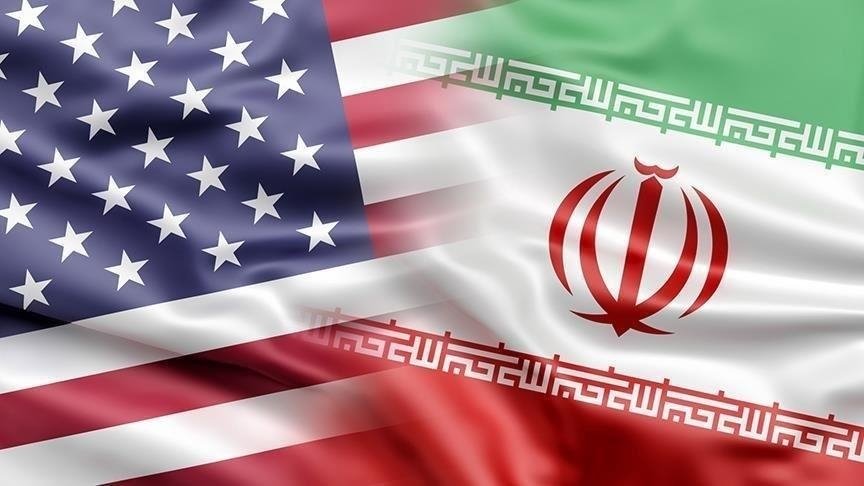
The latest reports that US President Donald Trump is seeking stronger language on Iran’s enriched uranium stockpile before approving a ceasefire and nuclear framework agreement reveal the central issue that has haunted every negotiation with Tehran for more than two decades: uranium enrichment is not a side issue, it is the issue.
According to reports, Trump is pushing for greater clarity regarding how Iran’s enriched uranium would be transferred, who would control it, and the timetable for its removal. From an Israeli perspective, these are not technical details. They are the difference between a temporary diplomatic pause and a meaningful reduction of the Iranian nuclear threat.
International talks with Iran in the past have always been about keeping the levels of enrichment down, putting in place systems of surveillance, and increasing the breakout time frame. However, the issue that has not yet been addressed is whether Iran will stop using large amounts of enriched uranium.
This is why reports that Trump wants stronger guarantees regarding enriched material are significant. The lesson of previous agreements is that restrictions can expire, inspections can be challenged, and political understandings can unravel. Physical uranium stockpiles, however, represent a tangible capability. Removing them from Iranian control would create a far more substantial obstacle to any future nuclear sprint.
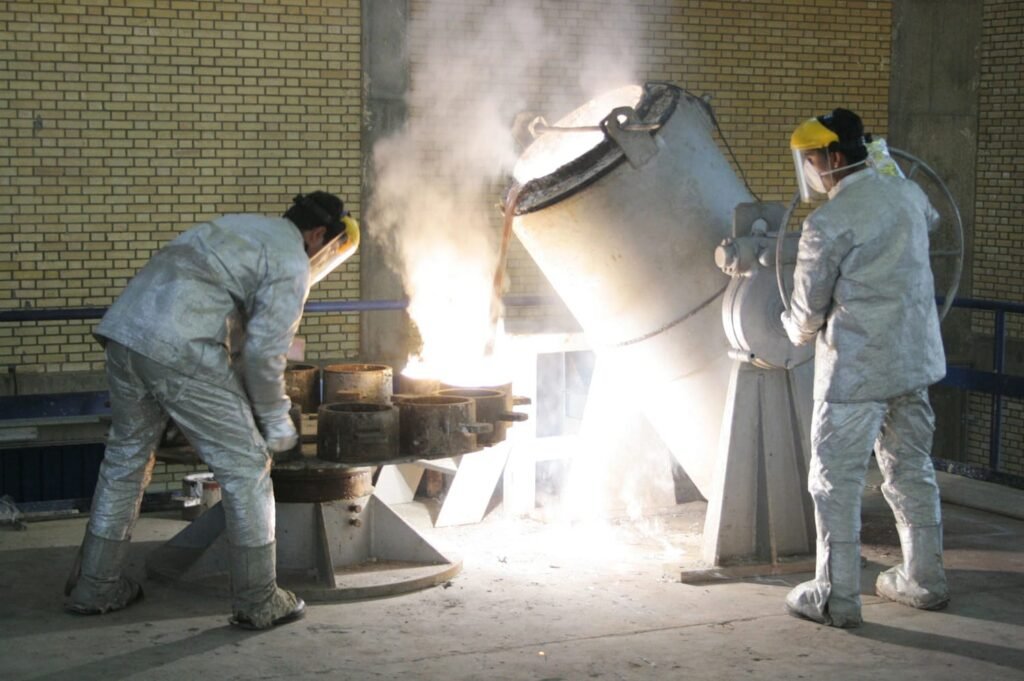
This matter has grown more relevant because of the recent events that took place within the last three years. The Israeli strike on Iran, targeting its nuclear installations, is believed to have done considerable harm to many of Iran’s nuclear capabilities. But infrastructure can always be rebuilt. What cannot be bombed away, however, is scientific knowledge and enriched uranium.
The debate surrounding the unfreezing of the Iranian money is no less significant. Previous negotiations had found it hard to reconcile a combination of sanctions with measures meant to enforce compliance. While some people viewed the economic enticements as providing Tehran with funds without changing its regional conduct, others saw their importance in ensuring compliance.
In contrast, today’s political atmosphere is quite different; Iran now confronts economic difficulties, military defeats among its proxies in the region, and concerns regarding its strategic standing. It has therefore produced a unique situation whereby Washington might wield more clout than before.
The presence of Pakistani mediation is indicative of a much larger reality. This round of talks is not anymore limited to the United States and Iran. The rest of the Gulf region, Israel, Europe, and other parties to the dispute all have a lot at stake. The Middle Eastern security complex is now defined by how close or far Iran stays away from becoming a nuclear threshold state.
Nevertheless, Israeli policymakers are likely to judge any agreement according to one basic standard: does it reduce Iran’s nuclear capability, or merely manage it temporarily?
That distinction matters. A deal that freezes activity for a limited period may lower immediate tensions and reduce the risk of escalation. However, if it leaves Iran with significant nuclear assets, future administrations could face the same crisis under different circumstances. Israel has long argued that postponing a threat is not the same as eliminating it.
The political sensitivity surrounding the deal is illustrated by the fact that neither President Trump nor Supreme Leader Mojtaba Khamenei has approved the draft thus far. On one hand, Trump has to demonstrate the effectiveness of diplomacy where military threats have failed. On the other hand, Tehran has to agree to limits on its power without compromising strategically.
Ultimately, the reported dispute over uranium language demonstrates that negotiators are now debating the most consequential element of the entire framework. The success or failure of the agreement will not be determined by diplomatic ceremonies or public statements. It will be determined by whether Iran’s pathway to nuclear weapons capability is genuinely narrowed.
That is the benchmark by which Israel, and much of the region, will ultimately judge any deal that emerges from the current negotiations.