
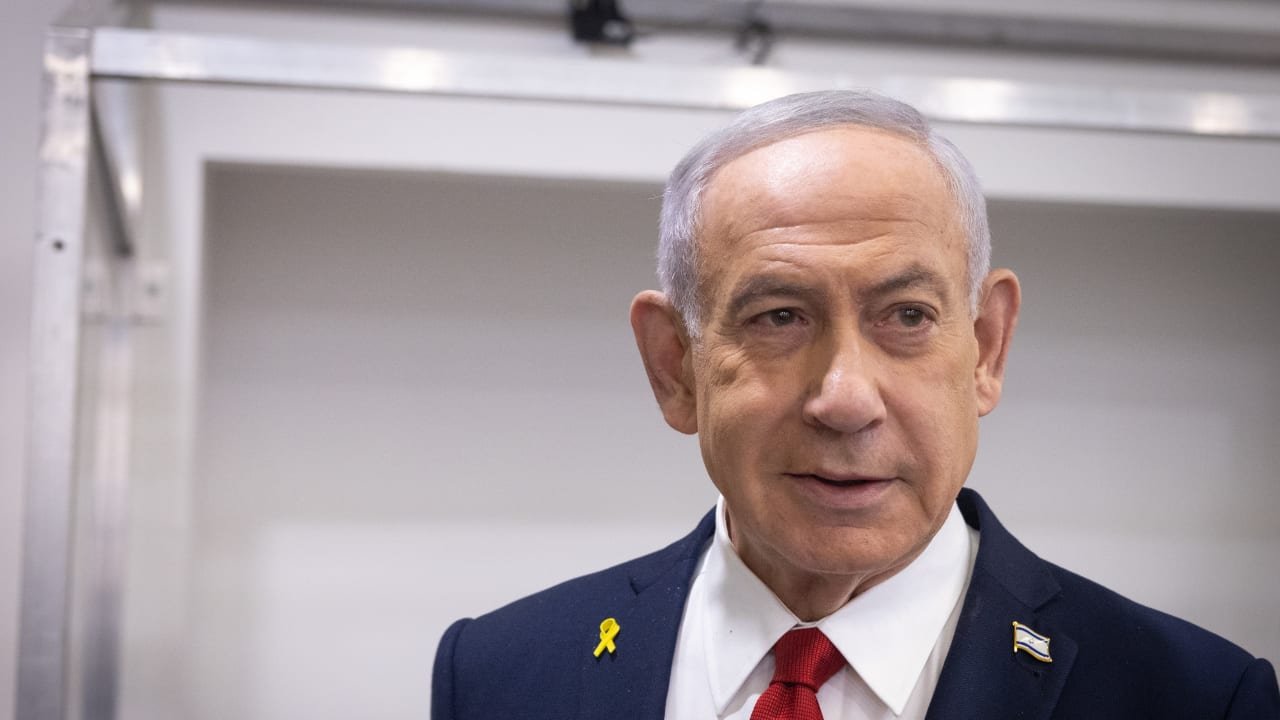
While the announcement was brief and did not specify a timeline for a final ruling, it serves as a critical confirmation that the Prime Minister’s request remains active and is officially progressing through the state’s legal channels.
The Latest Update
On Wednesday, April 1, 2026, the Israeli Justice Ministry’s Pardons Department confirmed it has processed new supplementary documents regarding Prime Minister Benjamin Netanyahu’s request for clemency. While the department did not provide a timeline for a final decision, the update confirms that the Prime Minister’s application is actively moving through the formal bureaucratic pipeline.
Why This Case is Unprecedented
Netanyahu’s request is legally unusual for several reasons:
- Ongoing Trial: Historically, pardons are reserved for individuals who have already been convicted or sentenced. Netanyahu filed this request in November 2025 while his trial for bribery, fraud, and breach of trust was—and remains—active.
- Procedural Intervention: A pardon at this stage would effectively end a criminal proceeding before a verdict is reached, a move that critics argue undermines the rule of law.
The Decision-Making Path
The process involves a multi-step review before reaching the President:
- The Pardons Department: Gathers evidence and forms a professional legal opinion.
- Ministerial Oversight: Justice Minister Yariv Levin delegated the file to Heritage Minister Amichai Eliyahu. Eliyahu has reportedly expressed support for the pardon, citing “public interest.”
- The President: Once the minister makes a formal recommendation, the President of Israel has the final authority to grant or deny clemency.
Political and Global Context
The request has sparked a divide in both domestic and international circles:
- Domestic Debate: Supporters argue that a pardon would stabilize the country and end years of political friction. Opponents warn it sets a dangerous precedent by allowing a sitting leader to bypass the judicial system without accepting responsibility.
- International Influence: U.S. President Donald Trump has been a vocal advocate for the pardon, recently stating that Netanyahu should be cleared of legal distractions to focus on security threats from Iran.
Summary: Wednesday’s development doesn’t guarantee a specific outcome, but it proves that the most politically sensitive clemency request in Israel’s history is not stalled—it is moving forward through official channels.
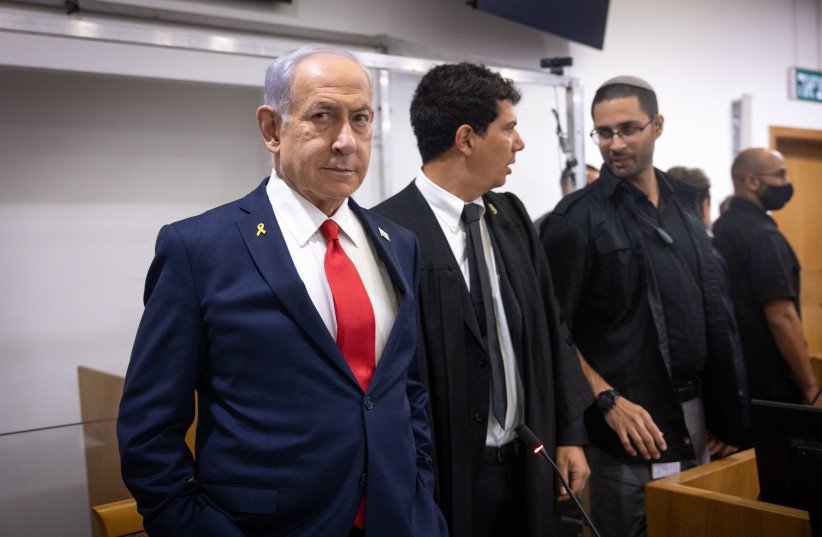
Netanyahu’s clemency request moves forward
Netanyahu is on trial in three corruption cases and faces one bribery charge alongside charges of fraud and breach of trust, all of which he denies.
Under Israel’s clemency framework, the president is the formal authority empowered to grant a pardon, but the request does not go straight from the applicant to the president’s pen. The Pardons Department reviews the application, gathers relevant materials and opinions, and prepares its professional position; the minister handling the file then submits a recommendation before the matter reaches the president for a final decision.
That process has taken on unusual visibility in Netanyahu’s case because of both the timing of the request and the identity of the applicant.
In practical terms, Wednesday’s update does not reveal an outcome, a timetable, or a recommendation. What it does show is that the file is still alive, that more material was requested and supplied, and that one of the most politically charged clemency proceedings in recent Israeli history is still inching forward through formal channels.