
The Middle East is experiencing yet another phase of geopolitics. With the confrontation between Israel and Iran in 2026, the new American preoccupation, as well as emerging security dynamics in the region, the current scenario provides an opportunity for rising middle powers to increase their sphere of influence. One such state that stands out is Turkey.
It is both a threat and a lesson for Israel to see its renewed diplomatic activity by Turkey.
Within the last two years, the Turkish state has adopted a policy approach based on combining military strength with diplomatic and economic engagements as well as flexibility in international relations. In contrast to many other regional states locked in the rigid framework of alliances, Turkey acts as an international player that can converse with all the parties including Washington, Moscow, Tehran, Doha, Riyadh, Damascus, and Europe.
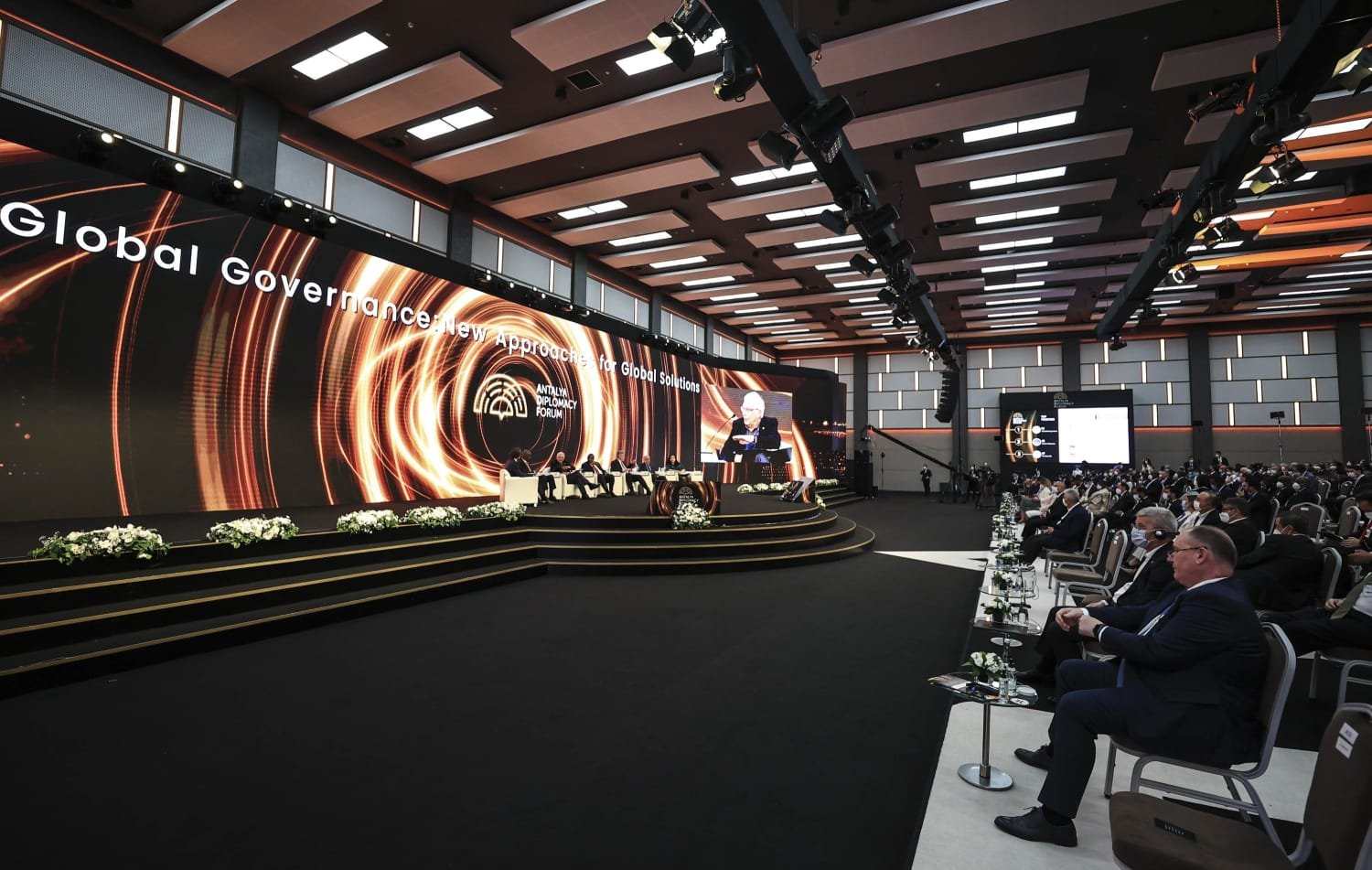
The Turkish government realized early on that the evolving Middle East was going to feature more interconnecting alliances and partnerships than fixed blocks. In order to facilitate this aim, Ankara has invested in various forums for diplomacy, mediations, and military cooperation. For instance, the Antalya Diplomacy Forum, which hosted delegates from over 150 nations in 2026, has served as one such forum.
There is also evidence that Turkey’s increasing clout is being bolstered by hard power. Within the past decade, Turkey has managed to evolve into one of the most dynamic players in terms of exporting military hardware. According to data from the Turkish Defense Industry, the total amount of exports of its defense industries topped $7 billion dollars in 2025, while just two decades ago it was less than $250 million.
This is something that requires Israel’s utmost attention. As an innovation and defense technology superpower, Israel has one of the most sophisticated and advanced intelligence communities in the region. However, having a more advanced military and defense technology does not guarantee diplomatic superiority.
The dynamics in the region have shifted. The emphasis has been on economies of diversification, infrastructural advancement, technological partnerships, and security agreements. Countries like Saudi Arabia, the United Arab Emirates, Qatar, even post-conflict Syria, are now looking into ways to cooperate in the region. And Turkey has made sure that it is a part of these talks.
By contrast, Israel has found itself occupied for most of the past three years with dealing with security on several different fronts. Naturally, its struggles with Hamas, Hezbollah, and Iranian-supported groups have taken precedence. However, long-term involvement in these military activities may detract from diplomatic efforts.
The issue is especially significant because the region is currently starting to talk about how security will work once peace breaks out. Be it defense alliances, economic trade routes, energy projects, or other frameworks, structures are slowly forming. Countries that take part in this process of creating a new framework for security in the area will be able to influence its future development.
Turkey appears determined to be among those countries.
None of this means that Ankara has replaced Israel as the region’s dominant strategic actor. Turkey continues to face substantial limitations. Its economy remains vulnerable to inflationary pressures, its relations with several neighboring states remain complicated, and disagreements with Western allies occasionally constrain its room for maneuver. Moreover, Turkish support for Hamas and its frequent criticism of Israeli policies continue to create significant tensions between Jerusalem and Ankara.
Historically, Israel’s greatest achievements occurred when military capability was combined with diplomatic initiative. The peace treaties with Egypt and Jordan, the Abraham Accords, and expanding partnerships with Gulf states demonstrated that strategic success requires both hard and soft power.
Therefore, the primary concern for Israeli policy makers is not whether Turkey is becoming a rival but whether they are putting enough resources into defining the future order in the region.
In the face of yet another transition in the Middle East, those who engage in coalition building, institution making, and communication across multiple fault lines will acquire excessive power. Turkey understands this dynamic all too well.
Lessons learned for Israel are not to follow Turkey’s foreign policy example but rather understand that, just as in the case of military power, diplomacy should be used strategically. In the changing landscape of the region, those who would shape the new regional system would find it easier to defend their national interests than those who respond to changes in the system.
The race for influence in the future Middle East has already started. Turkey has already positioned itself on the table. The real question remains if Israel will do so as well.