Built for Survival: The Structural Foundations of the Iranian Deep State
British historian G. M. Trevelyan once said the revolutions of 1848 marked “the turning point at which modern history failed to turn.” It’s a line that sticks with anyone who studies failed revolutions, and, frankly, it’s a pretty accurate way to describe the way Western analysts keep misreading Iran. Every time Iranians flood the streets, every time the rial plunges, or another round of sanctions hits, you hear the same thing: “This is it. The regime’s done for.” Yet here we are. Year after year, crisis after crisis, and the Islamic Republic marches on.
So what keeps going wrong? At its core, the Western strategy misfires because it treats Iran like a regular state. There’s this assumption that if you squeeze the economy hard and isolate the country, the government will collapse under popular pressure, just like in a textbook democracy. But the Islamic Republic doesn’t play by those rules. Survival isn’t about giving people prosperity, international recognition, or political freedom; it’s about preserving the revolutionary order born in 1979 and maintaining a posture of constant resistance against the United States and Israel.
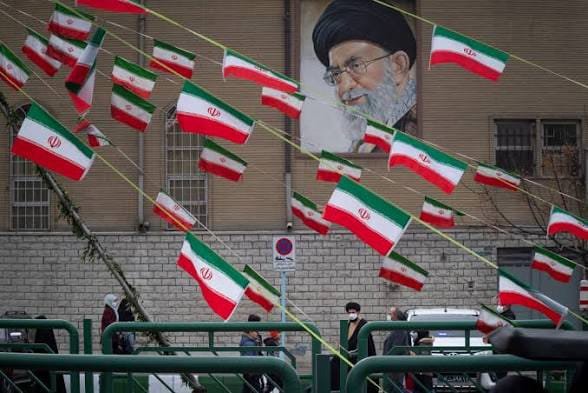
Really, you can see it in how Tehran handles adversity. When the economy nosedives, the regime doesn’t apologize or change course. Leaders frame hardship as heroic sacrifice for the revolution, and sanctions as proof that the world fears Iran’s independence. It’s almost like the worse things get, the stronger their story becomes. Isolation isn’t a weakness to them; it’s a badge of honor.
Compromise? Sure, sometimes you see minor concessions, but only ever as tactical moves to ease pressure, never as real ideological shifts. The regime always signals to its hardline base that resistance is the main game. Even Iran’s top officials, who sometimes admit in private that the system’s broken, still keep up the show for the public.
Let’s be blunt: regimes don’t fall just because the people hate them. You need a split or collapse inside the state’s security forces. In Iran’s case, the Islamic Revolutionary Guard Corps (IRGC) and the rest of the security state have proven, over and over, that they’ll use as much force as it takes to put down unrest. No matter how many times their legitimacy takes a hit, survival comes first.
The IRGC is no ordinary army, either. It’s the backbone of the whole state system. Its people aren’t just soldiers; they run intelligence, oversee local governments, control parts of industry, and monitor the economy. This level of embeddedness means Iran’s leaders don’t rely on a single party, family, or narrow knot of rulers. Their power is built into the structure itself, spread out and hard to uproot.
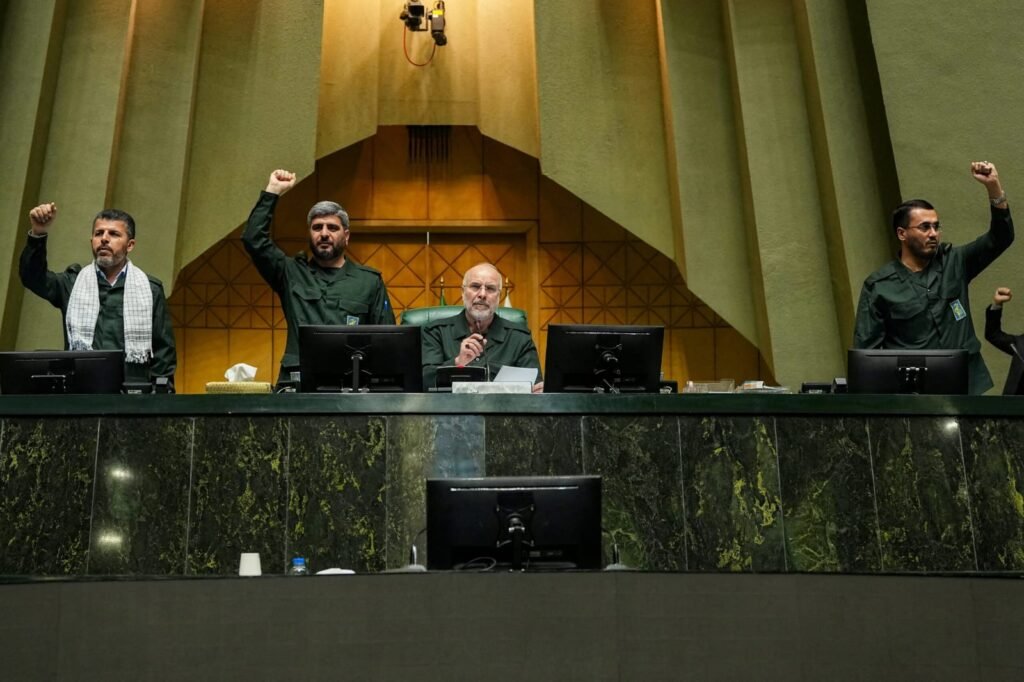
Look at recent Western military strikes or assassinations. There’s a popular idea in Washington and Jerusalem that if you just “cut off the head,” taking out a key commander or disrupting a main bunker, the regime will collapse in confusion. But the system was designed to withstand just that kind of attack. Decades ago, the IRGC set up independent regional commands, 31 of them in all. Each has its own arsenal, communication lines, logistics, and orders to continue operations if Tehran falls silent. Take out a handful of leaders and others immediately step in. Command isn’t centralized around a single person; they’ve made redundancy a science.
The regime stays afloat not just through structure, but through discipline at the top. Sure, Iran’s political factions fight bitterly behind the scenes, as clerics, security chiefs, and even hardline politicians jockey for control. But when survival is on the line, those divides dissolve. Everyone knows that if the system falls, it won’t matter what side they’re on; their assets, power, and even their lives are at risk. Self interest enforces unity like nothing else.
And these leaders aren’t new to crisis management. Since 1979, they’ve weathered wars, embargoes, assassinations, cyberattacks, and protests. Every disaster has forced the apparatus to get tougher and more nimble. Institutional survival isn’t just a priority; it’s become an art form.
That resilience isn’t a sign Iran is flourishing. Far from it. The economy is a mess, with rampant corruption, dying industries, and inflation that eats away at savings. The environment is collapsing, youth unemployment is massive, and the leadership enjoys almost no public trust. Social ties binding state and people have snapped. The middle class is getting strangled, and water shortages loom as the next major crisis.
Still, popular outrage doesn’t lead to regime change unless a few things happen: splits among the elite, mass defections in the security services, loss of control over territory, or the sudden rise of an organized, credible alternative. None of that exists right now.
If anything, the opposition’s fragmentation is one of the regime’s greatest strengths. Protests keep erupting, sometimes on a staggering scale, but the opposition doesn’t have national leaders, networks, or a common vision. Internal squabbles and lack of clear goals make it easier for the state to target protestors in isolation. There’s no single movement capable of unifying the country. Instead, you get piecemeal defeats.
So what should policymakers in Jerusalem and Washington take from all this? Honestly, betting on imminent regime collapse is wishful thinking: a risky fantasy, not a strategy. The Islamic Republic won’t fall just because people are angry and the economy’s collapsing. Countering Iran takes patience, clear sightedness, and acceptance that transformation, if it happens at all, will come slowly, and only with changes inside the system, not by expecting it to implode from the outside. The challenge isn’t waiting for the tide to turn; it’s facing the possibility that it may not turn when you want, or maybe not at all.