People started throwing around the word “genocide” right after October 7, but it wasn’t just some organic outpouring of outrage. This was a calculated move, the opening shot in a political war to weaponize international law against Israel. Even before Israeli soldiers stepped into Gaza, activist networks were already using the label as a strategic tool. For Israelis and the broader Jewish world, the “Gaza GenoLIE” campaign became essential, a desperate shield against a blood libel built for the social media age. And yes, the campaign dismantled a malicious legal fiction. But it also forced every Israeli to confront some uncomfortable truths: careless words from elected officials and mistakes on the battlefield created the cracks our enemies eagerly turned into gaping vulnerabilities.
What gives the GenoLIE campaign its real power is how it drags the charge of genocide back into the realm of actual law. The 1948 Genocide Convention isn’t vague about what counts as genocide. You need to prove someone intended to wipe out a national, ethnic, racial, or religious group, at least in part. Confusing urban warfare, with its brutal chaos and tragic errors, for genocide not only distorts the law, it dishonors the whole system that was built to keep “never again” more than a slogan. When fighting a terror group that’s embedded in neighborhoods, if you call every tragic civilian death “genocide,” the word loses all meaning. It just becomes another bludgeon to attack Israel’s very legitimacy.
Now, let’s look at the facts on the ground. The IDF rolled out strict protocols to minimize harm to civilians, something every observer with a shred of objectivity could see. This isn’t a military that operates in the dark; they sent evacuation warnings, dropped millions of leaflets, called individual families, opened safe passages, and somehow managed to vaccinate kids in a war zone. No army that intended genocide would have done that. Meanwhile, its enemy literally built their entire defense plan around human shields, command centers in apartment buildings, rocket launchers in schoolyards, entire hospitals turned into operational cover. And when the International Court of Justice told Israel to prevent genocidal acts, you have to notice what it didn’t say, it did not find Israel guilty. It didn’t call for an instant ceasefire either.
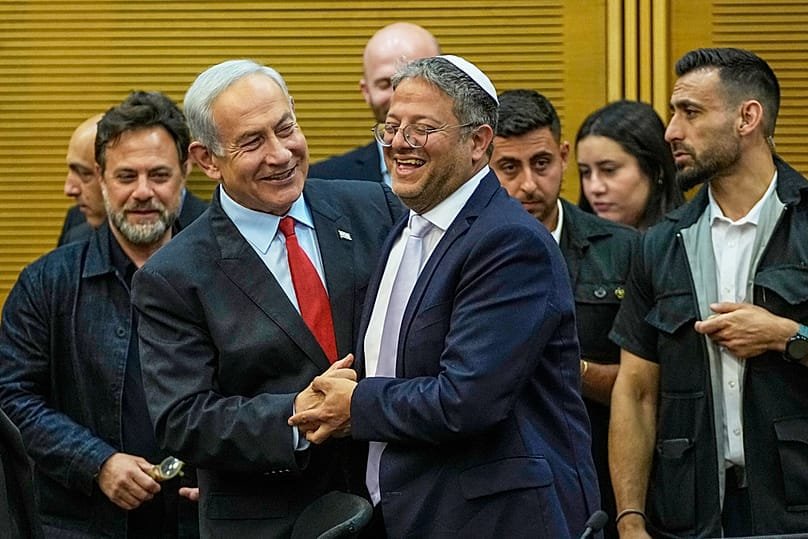
But let’s not kid ourselves. The fact that the genocide label falls apart under scrutiny doesn’t erase our homegrown mistakes. In the first weeks, loose lipped ministers threw rhetorical grenades just when Israel needed discipline and control. When National Security Minister Itamar Ben Gvir talked about “encouraging voluntary emigration,” floated rebuilding settlements in Gaza, and said no aid should go in before the hostages came out, he wasn’t just scoring political points at home, he was writing the prosecution’s best arguments for them. When ministers dehumanize Gazans or demand “no distinction” between combatants and civilians, they aren’t just speaking for themselves. They undercut every lawyer fighting to defend Israel in courtrooms and on TV screens around the world.
The damage didn’t stop with politics. On the ground, sometimes units slipped. Reports came in, neighborhoods demolished, ambulance approvals delayed, a few soldiers taking liberties with the rules. Each incident wasn’t just a stain locally; it became a headline abroad. Footage of panicked crowds at aid convoys repeated on news loops, and every humanitarian misstep gave opponents more ammunition. When officers lost control, even for a few hours, or let soldiers post reckless videos online, they made it that much easier for critics to argue that Israel lost its moral compass.
The information front? That’s another story. Israel’s spokespeople were almost always playing catch up. By the time the official explanation landed, social media had already picked the villain, often with help from miscaptioned photos or sketchy death tolls. Instead of swatting down lies as they appeared, the IDF let the story get away from them, a fatal mistake when every image travels faster than the truth.
Let’s not pretend the fallout is limited to the region. Jewish communities everywhere paid the price. Antisemitism hit a 46 year high in the U.S. last year, over 9,300 incidents tracked by the ADL. Why? Because the genocide accusation isn’t just a legal threat; it’s a social one. Once Israel is seen as a rogue nation, Jewish students, synagogues, families, anyone wearing a kippah, anyone with an Israeli accent, becomes a target.
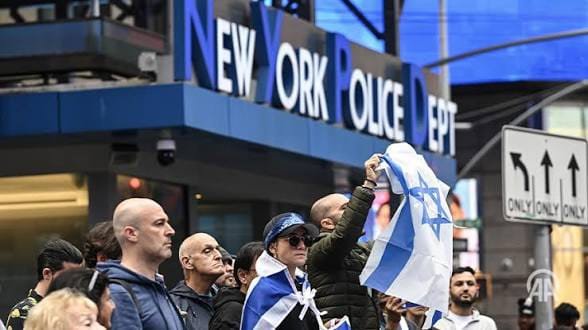
This is why the international “Gaza GenoLIE” campaign actually matters. Over 100 organizations in 20 countries are no longer just on the defensive. They’re out in front, grabbing attention, sticking billboards in Times Square, forcing the world to hear another side. This is a playbook pro Israel advocates can’t ignore. Waiting to react is not an option, speed, unity, and unflinching clarity are the only way forward.
In the end, fighting this genocide accusation is about more than courtroom battles, it’s about holding onto moral clarity and protecting Israel’s right to defend itself. But there’s a simple truth leaders in Jerusalem need to remember: what they say, what their armies do, and how Israel communicates with the world matters. Rhetoric isn’t free. Mistakes are never just local. If Israel wants to stamp out this modern blood libel for good, it needs to back up its case abroad with integrity and discipline at home. That’s how you close the gaps and leave no openings for those who would see us fail.