

By Noam Shalev
Professor Oz Almog’s new book, A Missing Country: Is It Time to Leave Israel?, hit the Israeli public right in the gut. For years, Almog built a reputation at the University of Haifa as one of the nation sharpest sociologists, a guy who understood Israeli identity in all its messy complexity. He has spent decades piecing apart our myths, our subcultures, and the ways we have changed, always with a mix of tough honesty and genuine affection for the people here. So when someone of his stature, with deep family roots in Israel security and intellectual worlds, stands up and says it is time for liberal Israelis to think seriously about leaving, it does not just sound like one individual’s dramatic exit. It lands as a symptom of a much deeper national illness, shaking the foundations of the Zionist vision and breaking one of the unwritten rules that almost every Israeli, on some level, grew up respecting.
Almog’s argument is unsettlingly clear. He says the core deal that once bound Israelis together is coming apart. On one side, you have got a rapidly growing ultra Orthodox community, one that mostly opts out of the army, rejects the country’s secular curriculum, and depends heavily on government funding. On the other side, a strain of religious Zionism has spun off in a radical, even messianic direction. Stuck in the middle is the secular liberal backbone, about 400,000 professionals, scientists, engineers, doctors, military leaders, the folks who keep Israel economic engine running and who have always paid, both in taxes and in personal sacrifice, to hold the country together. Now, more and more, they feel their efforts feed a system that does not just ignore their views but actively erodes their way of life. When you look down the road and see that every round of elections, legal battles, even wars, never brings any meaningful change, it is not hard to see why people stop waiting for a miracle.
The timing of Almog’s shift is not a coincidence. The trauma of October 7 shattered any last illusions, and the fierce polarization that has been boiling over in politics for years just pushed things past the breaking point. For decades, leaving Israel was not just difficult, it was taboo, almost a betrayal of the shared dream. Almog goes after that guilt head on. He argues that clinging to a country that has drifted so far from your values is not loyalty; it is a kind of self betrayal, maybe even a betrayal of your children’s futures. He reframes emigration, not as running away, but as self preservation. It is a bold move, one that gives voice to more and more professionals who are not talking about it on the news, but quietly setting up foreign accounts, getting European passports, and planning a future in places like Cyprus, Portugal, or Greece. Almog himself is making that leap as he retires.
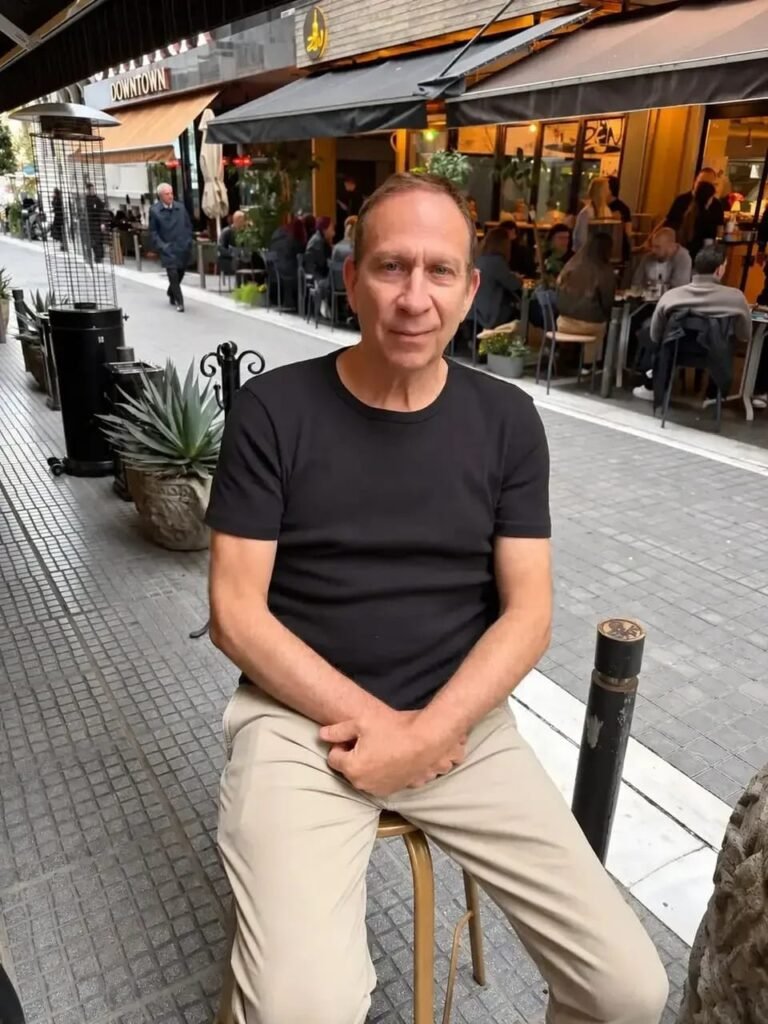
But his position, however understandable, stirs up argument and anger. Plenty of people insist that leaving now, frustrations and all, means handing the country over to the very groups pushing Israel away from its founding ideals. They argue you cannot fix the broken parts of the Zionist project by going elsewhere, real change takes staying put and doing the messy, hard work of reform. And, at its core, Israel was always supposed to be the answer to Jewish rootlessness, a place where we shaped our own fate, no matter how hard the road. Walking away means giving up that hard won sovereignty, swapping self determination for the uncertain promise of safety somewhere else. It is no secret, history is full of warnings that life as a permanent outsider comes with its own set of wounds. Almog himself talks about the pain, both physical and emotional, of leaving the only home He has ever known and the struggle to adapt in a new land.
Still, it would be foolish to brush off Almog’s warnings as nothing more than academic gloom. Whatever you think of his conclusion, whether leaving is the answer or not, the diagnosis He has made feels urgent and real. If the secular liberal class, the heart and brains of Israel economy, medicine, and defense, starts to feel like strangers in their own country, the consequences will not be theoretical. If leadership keeps chasing narrow political victories and handing out favors to their base instead of building a shared future, the quiet departures we are seeing could become a flood. Almog’s book is the kind of wake up call that has hard to look away from. He is telling us that the greatest danger is not just rockets and enemies on the borders, it is the slow, silent loss of the sense that we truly belong here together. The real threat might not be anyone on the outside. It could be the hollowing out of our own collective purpose, happening right under our noses.
About the Author
Noam Shalev is a Political Affairs Commentator covering Israeli government policy, US Israel relations, coalition politics, and diplomatic engagement across the Middle East.