
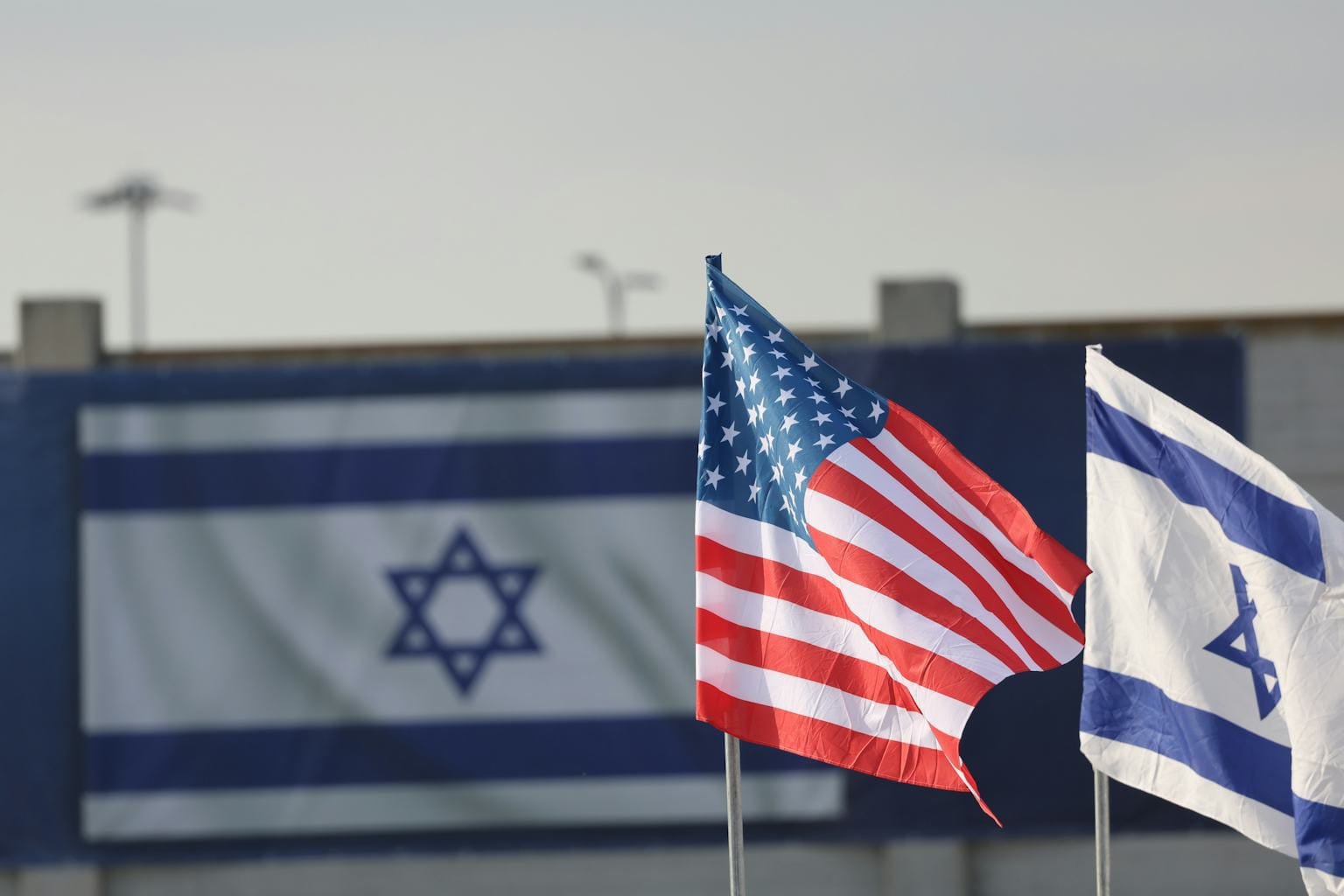
When you look at the anti Zionism conversations coming from the American left, mostly in academic circles, you run into a story that’s all about liberation, decolonization, and the idea that the U.S. is destined for a big break with Israel. Think about arguments from Columbia’s Hamid Dabashi, who claims America is in the middle of a deep cultural shift, shaking off what he calls “Israeli tutelage.” But honestly, anyone concerned with Israeli policy, whether you’re a defense planner or a diplomat, you shouldn’t just laugh this off as wild campus rhetoric, and you shouldn’t swallow it whole as fate, either. These arguments actually work as a warning signal, showing how much the ideological fault lines are moving inside American society.
The heart of this critique is the claim that Americans and their political institutions are drifting away from that old, solid pro Israel consensus. Supporters of this idea usually pull out sharp examples, like that vote in July 2026, when 103 House Democrats joined Thomas Massie, a Republican, to try to strip $3.3 billion in military aid to Israel. Sure, the amendment failed, 314 to 104, but the real story is that most voting House Democrats ignored party leadership, including Hakeem Jeffries. That kind of open split just wouldn’t have happened ten years ago.
It’s not just a surface level fight, either. This goes deeper, showing how both generational and political lines have shifted in the United States. Look at the polls, older conservatives still back Israel almost no matter what, but younger voters and progressive groups are now seeing the whole Israeli Palestinian story through the lens of post colonial justice. They throw around terms like “settler colonialism” and “decolonization” to paint Israel as more villain than ally. And when critics start linking Israeli aid to American problems like food insecurity or economic inequality, they’re trying to turn everyday frustration at home into political energy against Zionism.
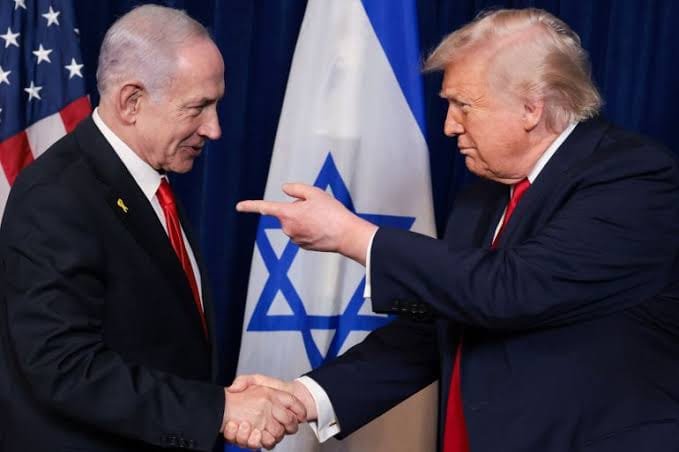
And it’s not just activists or professors talking, either. Pressure on Israel’s role in U.S. Middle East strategy shows up inside the White House. Vice President JD Vance came right out and said that America can’t let its foreign policy “serve” Israeli interests. He actually accused some in Israel’s government of using the American public to keep military operations going and block Washington’s diplomacy. Vance was clear: Yes, Israel is a big partner in technology and intelligence, but the U.S. needs to defend its own interests, not just follow Netanyahu’s lead. When a Republican administration openly starts talking about keeping its distance from Israeli policy, it’s obvious: Doubt about the relationship isn’t just a left wing thing anymore.
That kind of doubt feeds a long standing story about Israeli influence in Washington. Critics always pull up those famous old quotes of Netanyahu bragging he could move American public opinion “very easily.” And lately, as anger about Gaza and Iran grows, even Netanyahu admits that young Americans aren’t as on board as they used to be. To his critics, that just proves he’s been trying to steer U.S. policy for Israel’s benefit, not the other way around.
Still, saying the U.S. is about to divorce Israel just doesn’t line up with how things actually work in Washington. American Israeli ties aren’t just floating on waves of public sentiment or debates on Twitter. They’re cemented in decades of deep intelligence sharing, tech cooperation, and joint security work. U.S. defense industries are plugged into Israeli innovations, from drones to cybersecurity. These ties don’t just break apart because a progressive wins a district primary or the left trends on social media for a week.
And let’s be honest about the reach of the anti Zionist left. Yes, progressive politicians are making noise in big cities, but most Americans are nowhere near as radical. Actual national security policy still gets hammered out by both parties, and America’s military approach in the Middle East keeps focusing on real world threats: Iran’s proxies, energy routes, and potential adversary alliances. Academic debates might rile up social media, but they don’t set Washington’s bottom line.
Where these critiques do hit a nerve is with narrative control. Israel can’t take U.S. support for granted like it once did. The old automatic friendship is under siege, from progressive activists and now also from right wing isolationists. You’ve got fringe voices wanting to “dismantle” pro Israel lobbies, and big name populists openly questioning whether U.S. and Israeli interests match. The boundaries of debate are shifting, and that shift is organized and relentless.
So, what’s Israel supposed to do with all this? The immediate danger isn’t a sudden end to arms deals or intelligence sharing. The real risk is long term: losing the story. If the idea that Zionism equals oppression keeps spreading in elite schools, the media, local politics, give it a decade or two, and those graduates will be the folks shaping U.S. policy. Keeping a military edge is important, but so is staying legitimate in the eyes of Americans. That’s the new strategic reality: Israel’s standing in Washington now depends as much on who controls the story as on what happens on the battlefield.