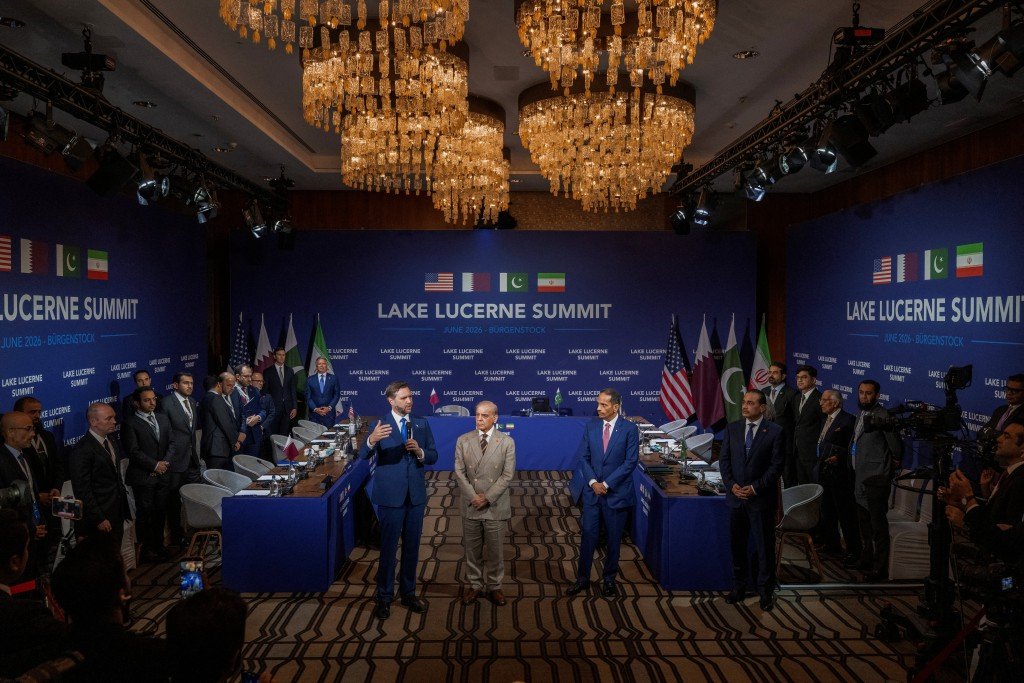
There is an old Middle Eastern proverb: “Trust in God, but tie your camel.” Few issues illustrate that wisdom better than the emerging US-Iran memorandum of understanding. Across Israel, reactions have swung between outright panic and cautious optimism. Some view the agreement as a historic betrayal that will empower Iran, while others see it as a potential pathway away from another devastating regional war. But the most important reality may lie somewhere in between. The real challenge for Israel is not deciding whether the agreement is good or bad today. The challenge is determining whether strategic patience can coexist with strategic vigilance.
The debate surrounding the agreement is unfolding against the backdrop of nearly three years of continuous regional conflict. Since October 2023, Israel has been battling at different frontiers against Hamas, Hezbollah, the Iranian-backed militias, and even Iran itself. The economic burden has been immense as there has been a significant rise in Israeli military expenditure, the call-up of reservists has disrupted the economy, and thousands of people have been uprooted from the border settlements. Naturally, under these circumstances, the Israelis need to be enlightened and informed if their sacrifice has achieved security benefits or only respite.This is precisely why the agreement generates such intense emotions. The issue is not merely diplomacy. It is whether Iran’s strategic capabilities will actually be constrained.
History offers ample reasons for skepticism. For many years, Iran has become adept at functioning in the twilight zone between compliance and defiance. Through proxy groups like Hezbollah, Hamas, Iraqi militia, and the Houthis, Iran has increased its regional clout while claiming no direct involvement. Despite being under heavy economic pressure, Iran managed to establish one of the biggest missile programs in the Middle East. Critics of the new memorandum argue that Tehran’s track record alone justifies suspicion.
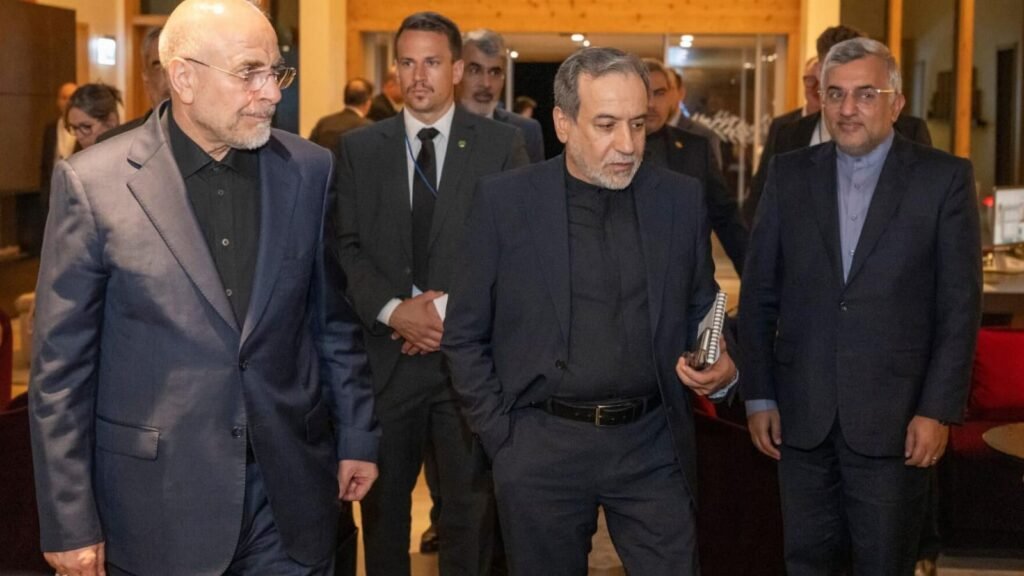
However, such skepticism does not necessarily mean that the agreement will inevitably fail. This is an important point. One of the biggest flaws in the policy-making process is assuming that an assumption is a fact until proven otherwise. The proponents of the agreement believe that if the inspection, verification, and enforcement processes are strong enough, diplomacy may produce results that military force can never deliver on its own. They point out that military operations can destroy facilities and delay programs, but only long-term monitoring can prevent reconstruction.
The fundamental question, therefore, becomes whether the agreement contains meaningful enforcement mechanisms. Diplomatic deals succeed not because parties trust one another but because violating the agreement carries significant costs. Arms-control history repeatedly demonstrates this principle. Agreements survive when cheating is detectable and punishable. They collapse when violations are ambiguous or consequence-free.
There is another strategic reality often overlooked in public debate. Israel itself has gained significant leverage from recent military operations. Iranian infrastructure suffered substantial damage during recent confrontations. Hezbollah’s capabilities have been degraded compared to previous years. Hamas has lost much of its organized military structure. These developments mean Israel enters this diplomatic phase from a position of relative strength rather than weakness.
That strength creates an opportunity. Strategic patience is most effective when backed by credible deterrence. Israel does not need to choose between diplomacy and security preparedness. It can support diplomatic testing while simultaneously maintaining military readiness. In fact, that combination may provide the strongest leverage of all.
The political dimension is no less crucial. Analyses are centered around the rift between Prime Minister Netanyahu and President Trump. Despite all the emphasis being laid on these individuals, the real story lies elsewhere, it lies in the interest of the nations rather than individual relationships. The United States and Israel have many overlapping goals. Washington seeks regional stability, economic predictability, and avoidance of another major conflict. Israel seeks a permanent elimination of existential threats. These priorities often align, but not always perfectly.
The coming months will therefore serve as the true test. The question is not whether Iran deserves trust, it does not. The question is whether the agreement creates mechanisms capable of managing distrust. If inspections are obstructed, commitments ignored, or proxy aggression intensified, the agreement’s weaknesses will quickly become evident. If compliance is verified and tensions reduced, diplomacy may prove more effective than many expect.
For Israel, the wisest approach is neither celebration nor despair. Patience is not an admission of defeat, and caution does not mean panic. What is truly dangerous are both extremes: naively believing what the mullahs say, or giving up on negotiations too soon.In the Middle East, appearances often deceive, and first impressions rarely tell the whole story. The memorandum may eventually become either a historic breakthrough or a historic miscalculation. What is certain is that neither verdict can be delivered today. The next chapter will be written not by signatures on paper, but by actions on the ground.