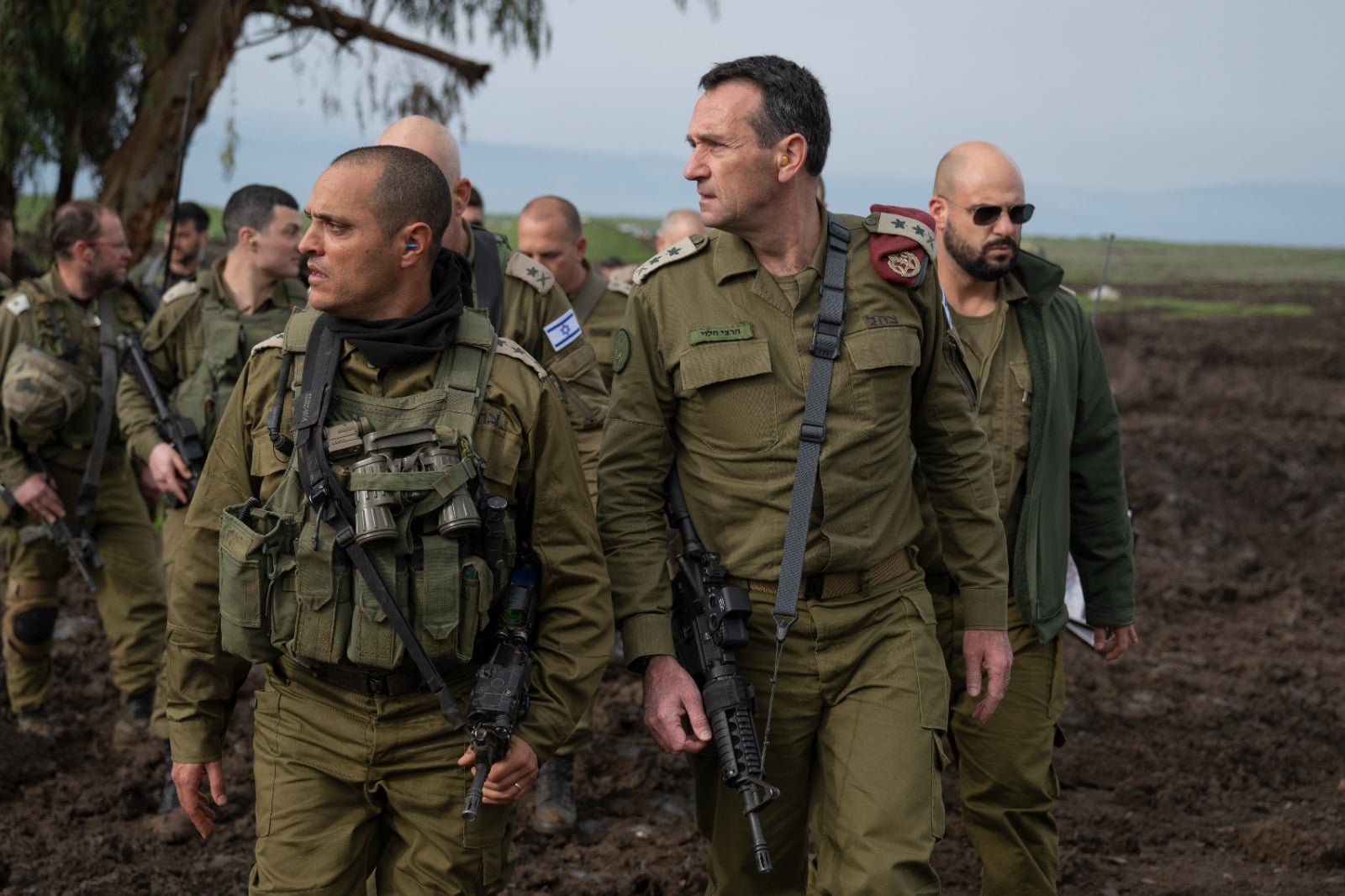
There is an old military warning that every commander eventually learns: winning battles does not always mean winning wars. Israel’s current campaign in southern Lebanon increasingly risks becoming a textbook example of that dilemma.
The deaths of Israeli soldiers in recent days have reignited a difficult but necessary debate inside Israel’s defense establishment. The question is not whether Hezbollah is an enemy. Nor is it whether Israel had the right to respond after Hezbollah opened a northern front in support of Iran. Those questions were answered long ago. The real question is whether the military objectives pursued since the April ceasefire are still producing meaningful strategic gains, or whether Israel is now paying a growing price for diminishing returns.
No serious Israeli strategist believes Hezbollah can be eliminated through limited military operations alone. Hezbollah is not Hamas. This is an organization that has been around for years in terms of military experience, and even has its infrastructure, and is very much supported by Iran. Before the current war, Israeli intelligence assessed that Hezbollah had about 150,000 rockets and missiles, making it one of the most heavily armed non-state actors in the world.
The achievements of the IDF since the conflict began are substantial. Senior Hezbollah commanders have been eliminated. Weapons depots have been destroyed. Tunnel networks have been uncovered. Large sections of southern Lebanon that once served as launch zones have been damaged or occupied. These are real accomplishments. Yet military history is filled with examples where tactical brilliance failed to translate into strategic success.
The deeper concern emerging among some Israeli defense officials is that the campaign may have entered precisely that phase.
Since the start of the April ceasefire, the IDF has made further advances by taking more territory, killing more Hezbollah militants, and becoming more aggressive. From a strictly military standpoint, this is understandable. The high ground confers an advantage. Destruction of the launching sites removes any imminent threat. Killing experienced operatives deprives the enemy of its capabilities.
The problem is that strategic outcomes appear largely unchanged.
Hezbollah remains intact as an organization. Its command structure continues to function. Iran remains committed to rebuilding its most valuable regional proxy. Most importantly, there is still no clear evidence that additional territorial gains south of the Litani River have fundamentally altered Hezbollah’s long-term posture.
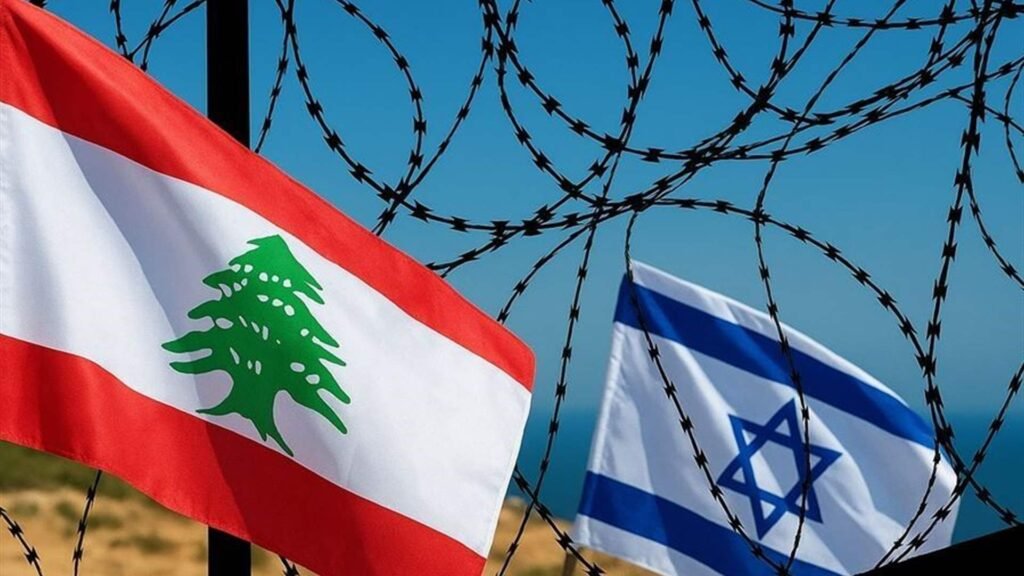
Military campaigns are ultimately judged not by the number of enemy fighters killed but by whether political objectives are achieved. Israel’s stated goals included improving security in the north, reducing Hezbollah’s ability to threaten border communities, strengthening deterrence, and potentially creating conditions for a broader political arrangement with Lebanon.
After months of fighting, the first goal has been partially achieved. Northern Israel is safer than it was at the beginning of the war.
Hezbollah’s immediate offensive capabilities have been degraded. But the remaining objectives remain uncertain.Deterrence, in particular, seems to have become a difficult task. The underlying premise of the operations was that greater pressure would ultimately lead Hezbollah to accept the new security environment. On the contrary, Hezbollah has constantly shown its readiness to take hits and keep on fighting.
The latest salvo of around 50 rockets fired in retaliation to the Israeli operation illustrates that the organization retains both capability and intent.This raises a difficult question: if Hezbollah continues fighting despite losing commanders, territory, infrastructure, and fighters, what additional military action will suddenly produce a different outcome? The answer may be none.
Compounding the challenge is the changing international environment. The strategic landscape shifted significantly after the emerging US-Iran understanding and Washington’s growing emphasis on regional de-escalation. Regardless of Israeli preferences, American support remains a central pillar of Israel’s strategic posture.
Every Israeli government understands that military freedom of action is not unlimited.If a full-scale occupation of Lebanon is neither feasible nor desirable, and virtually no serious defense official advocates such a course, then Israel’s objectives must remain limited. Yet limited objectives require disciplined decision-making. Every additional operation must be measured against the risks involved.
That calculation becomes particularly important when Israeli soldiers are dying to secure positions that may offer tactical advantages but do not significantly alter the broader strategic equation.
History teaches us some sobering lessons. This was witnessed by the Americans in Afghanistan. It happened to the Soviets in Afghanistan. Even for Israel, which faced the same issue when it had its security zone in southern Lebanon between 1985 and 2000. Tactical successes accumulated. Strategic clarity did not.
The danger for Israel is, therefore, not military defeat. The IDF remains overwhelmingly stronger than Hezbollah. The greater danger is strategic drift, a situation in which battlefield operations continue because they are possible rather than because they are advancing a clearly defined political objective.
In times of war, however, the most perilous time often is not when the army is losing the fight, but when it keeps winning battles while slowly forgetting what victory itself means. For Israel in southern Lebanon, the time of such peril might be approaching sooner than we care to recognize.