
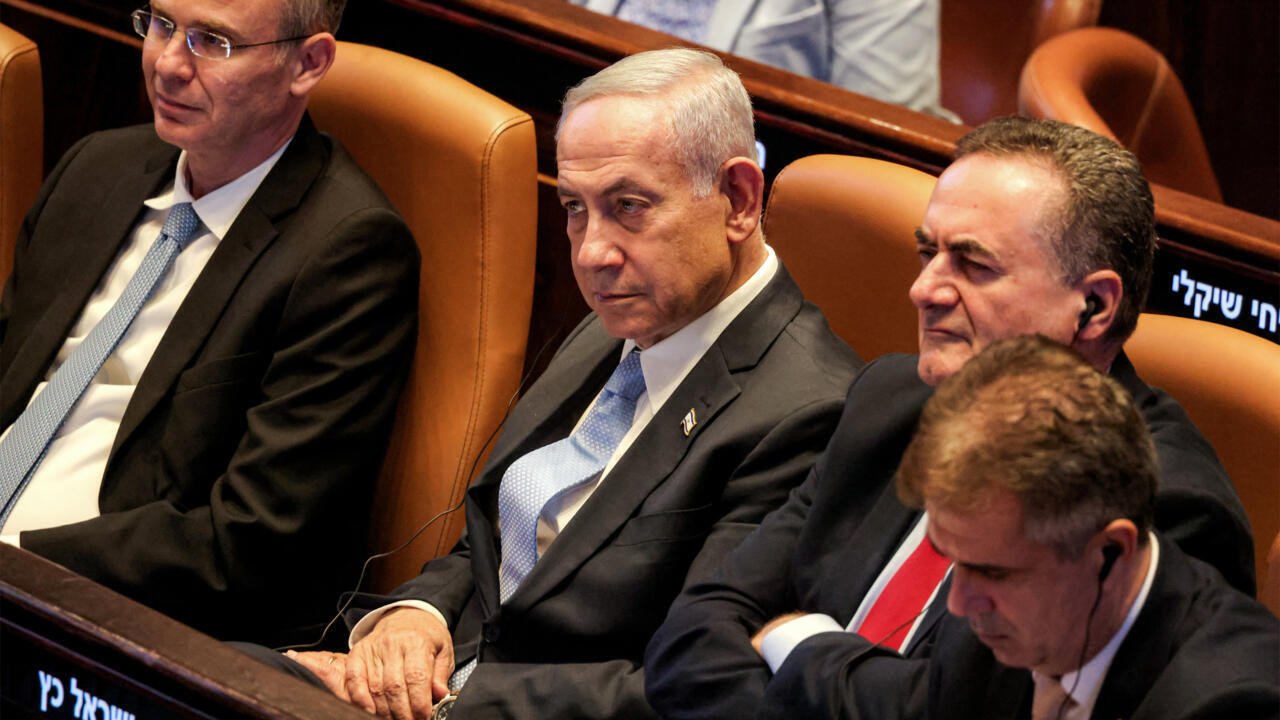
As Israel moves closer to a possible 2026 election, Prime Minister Benjamin Netanyahu’s coalition is accelerating efforts to advance a series of controversial judicial and governance reforms that have been at the center of Israeli politics for nearly four years.
Timing is crucial. As the possibility of an upcoming decision on dissolving the Knesset looms, it seems clear that the government is determined to achieve its legislative priorities before it becomes too late. The consequence is that Israel is witnessing yet again a fight over what its democracy should look like, an issue which has characterized Israeli politics for the better part of 2023.
The measures currently under discussion are not isolated initiatives. Taken together, they represent another phase of the broader judicial overhaul project that triggered unprecedented public protests, political polarization, and constitutional debate prior to the October 7, 2023 Hamas attack.
The most controversial piece of legislation is that which seeks to move the regulation of the broadcast industry under a body where the government will have more control. This proposed law is defended on the basis that the current system of regulating the media industry is outmoded and needs reforms due to the changing landscape in which the media operates today.
Another issue of great controversy is the idea of placing the Internal Police Investigation Unit under the control of the justice minister. Those who support this position claim that more oversight from the minister will help achieve better coordination and accountability. On the other hand, those against this proposal warn of the potential damage to law enforcement’s credibility.
It is also impossible to overlook the political climate within which these events unfolded. Israel continues to experience the effects of October 7th attack and the resultant regional wars. The issues of responsibility, leadership during wartime, and political decisions still prevail in public discussion.
This is what gives weight to the necessity of conducting a political investigation by a commission as proposed by the coalition. The government believes that elected officials should be at the core of investigating one of the greatest failings in the history of Israel. The critics, on the other hand, believe that an independent state commission should be formed.
Moreover, the upcoming election makes matters more complicated. With recent conflicts, tensions have been mounting within the Netanyahu coalition concerning exemptions from military service by ultra-Orthodox Jews in the country. This comes at a time when there has been an increased demand on reservists in the face of continued wars on different fronts.
This is what makes Netanyahu’s problem multi-faceted. First, he will need to maintain coalition solidarity, but he will also have to implement reforms which his supporters feel are incomplete. In the case of Netanyahu, the reforms are portrayed as much-needed fixes for the institutional imbalance that has built up over the years. On the other hand, the reforms will be seen as attempts to consolidate political power.
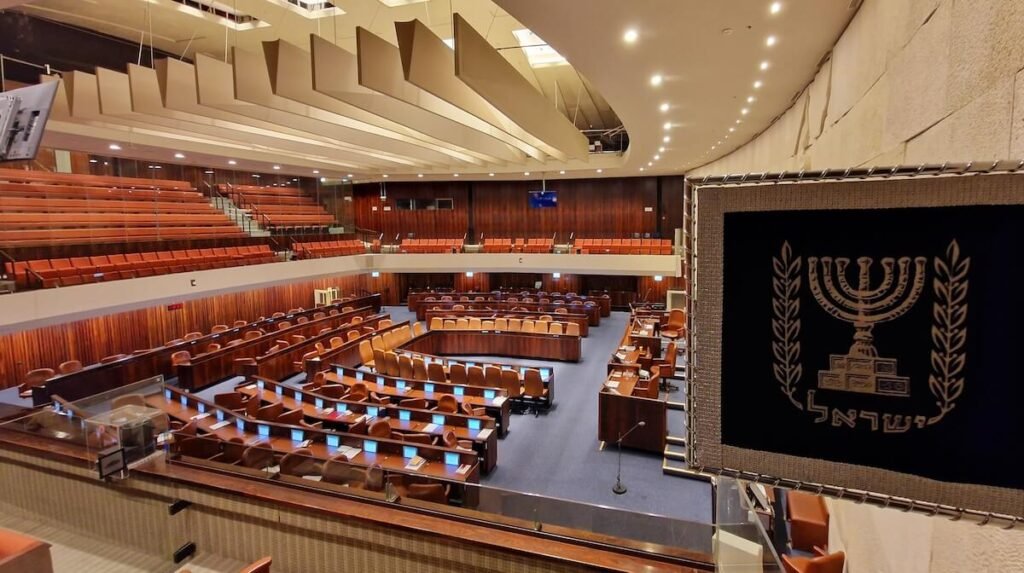
The reason why the present period is particularly crucial is that the future course of governance in Israel for many years to come might depend on its outcome. It is not only about laws any longer but is rather a struggle concerning the distribution of power between elected politicians, judges, and other oversight authorities in a state constantly grappling with security issues.The stakes extend beyond partisan politics.
The country is simultaneously confronting external threats from Iran and its regional proxies while engaging in an internal conversation about democratic resilience and institutional legitimacy. Balancing effective governance with strong checks and balances remains one of the central challenges of Israeli democracy.
Whether these reforms are ultimately enacted before the election or postponed until after voters go to the polls, the constitutional debate that began several years ago is far from over. The outcome will shape not only the next government but also the future relationship between political authority and state institutions in Israel’s evolving democratic system.