
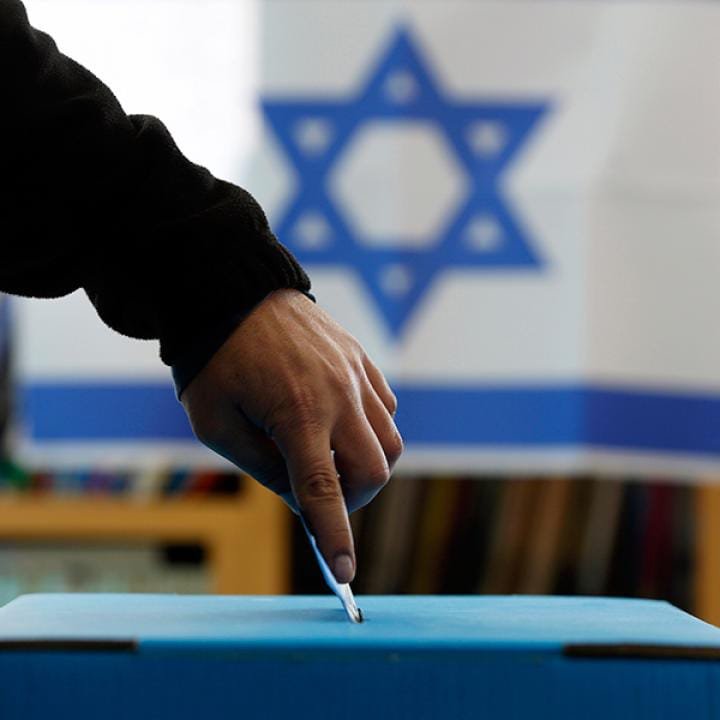
With Israel about to mark three years since the disaster of October 7, the country is at a turning point everyone can feel. Time itself is calling for answers, and the Knesset elections set for October 27, 2026 aren’t just another date on the calendar. They’re arriving as the first big chance for Israelis to actually hold their leaders accountable at the ballot box. Until now, the political establishment has managed to dodge real responsibility, finding ways to delay any serious reckoning over the failures, blind spots in intelligence, dangerous assumptions, botched systems, that left the nation open to Hamas’s brutal attack. But let’s be honest: Elections alone aren’t enough. We need more than just new faces or campaign slogans. Voting should be the beginning of a real process that restores responsibility and trust to public life in Israel.
Real change starts when we face up to what went wrong, when leaders and institutions own their mistakes and ordinary people, too, decide we can no longer settle for the old ways of doing things. It’s obvious who committed the atrocities of October 7. Hamas owns the blame, morally, completely. But that doesn’t wipe away the failures of those at the top here in Israel, failures that left our communities unprotected. Both things are true. And insisting that leaders answer for their mistakes doesn’t take away from the justice of our cause or our right to defend ourselves.
Yet, if you listen to politics in Jerusalem, it’s always painted in black and white, as if every future has to be either a win or a loss, total mobilization or total surrender. That’s a dangerous myth. Real strength, the resilience that’s pulled Israel through for decades, lives in that messy center no one likes to talk about. The real question voters face isn’t whether the IDF is tough enough. Clearly, the military has shown grit and daring again and again through wars and crises. The real test now is whether political leaders can channel that power, turn all that sacrifice and courage into a strategy that actually makes sense and serves the country’s long term interests.
A modern country can’t keep living under emergency rules, on endless waves of anger, or expect citizens to keep dropping everything for reserve duty year after year. Lasting strength comes from having a government that treats everyone equally, protects critical alliances, and preserves the very institutions that make Israel a democracy worth defending.
Israel’s security problems are real, and slogans won’t solve them. We need serious plans, a clear, practical vision that can keep Hamas from ever rebuilding in Gaza while avoiding a forever war of attrition that drains us year after year. And with Iran and its allies growing bolder, Israel can’t just lurch from crisis to crisis; real security will require building real partnerships in the region and with the West, not just relying on military might alone.
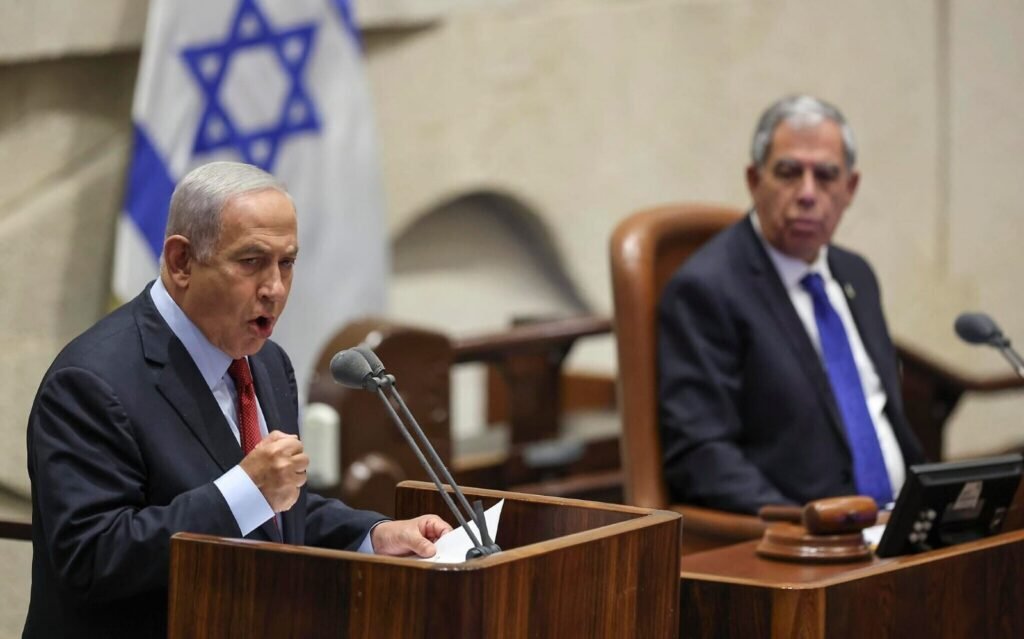
There’s another issue glaring at us: National survival isn’t just a matter of tanks and jets, it’s about fairness at home. How can the state keep demanding huge sacrifices from reservists and their families, asking them to put their lives on hold, while a whole segment of society enjoys blanket exemptions? This was always a thorny topic; now it’s become a basic threat to social trust, and the survival of our citizen army.
All of this plays into Israel’s growing diplomatic headaches. Look at the reactions from allies in Europe and beyond, trade restrictions, arms embargoes, sanctions against violence in the territories. What’s the answer from Jerusalem? Anger. Accusing everyone of bias or even antisemitism is sometimes justified, but outrage isn’t a policy. When partners like Britain start taking real action because they think Israel won’t rein in extremists, the effects aren’t just theoretical, they come fast, and they hit hard. Israel has every right to challenge false or malicious attacks, but ignoring or minimizing the warning signs only makes things worse. Letting friction pile up with our closest friends threatens not just our image, but our actual security and our ability to deter enemies.
Real hope for Israel’s future doesn’t belong to any single party or camp. It comes from the country’s stubborn belief in democracy and our knack, repeated over generations, for taking a hard look in the mirror and correcting course. The public can no longer settle for empty promises. The upcoming elections need to be about real things: launching an independent commission to get to the bottom of October 7, a fair deal on national service, clear goals for any use of military force, protections for democratic values and institutions, and a plan to rebuild ties with allies and Jewish communities worldwide.
If you want to know how healthy a democracy is, look at how it handles mistakes. Loving this country doesn’t mean pretending the government is perfect or its leaders untouchable. True patriotism is demanding better, refusing to accept failures as fate and insisting that the system repair itself.
Israel’s security has never depended on the fantasy of fighting alone forever. Our safety, and our future, rest on being able to see danger clearly, adapt quickly, and hold fast to the values that make this a Jewish and democratic state. In the coming year, we need more than regret over October 7. We need to finally turn hard lessons into real change, so Israel can actually heal, and move forward, stronger than before.