
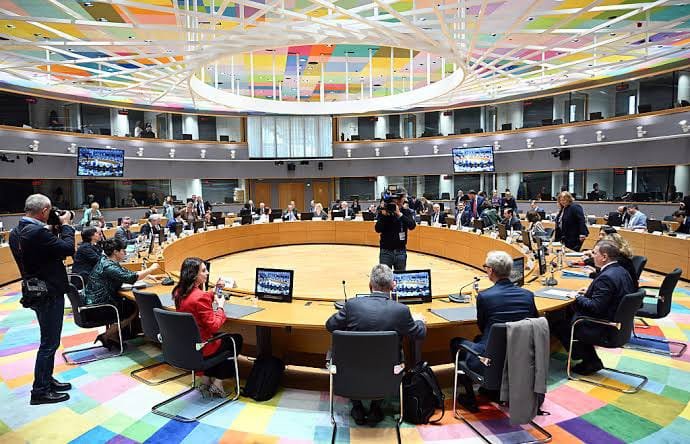
Military success, without the backing of a solid diplomatic foundation, is a mirage Israel’s leaders just can’t afford to chase any longer. There’s no question, the IDF dominates when it comes to raw power on the ground in Gaza. But let’s step back from the fire and smoke for a moment. Out in the quieter halls of European government offices and the imposing chambers of The Hague, things are unraveling for Israel’s long-term security in ways that tanks and airstrikes simply can’t fix. No country, not even Israel, survives for long by walling itself off from the world. You need more than a strong border; you need allies, trust, and the legal right to trade, to buy weapons, and to take your place on the world stage.
Let’s be honest, the looming danger isn’t a sudden, binding ruling from the International Court of Justice. The real blow is slow but relentless. What’s actually happening is Israel is bleeding out diplomatic support and legal backing across Europe, drip by drip, while the lawyers argue and the paperwork piles up. The day South Africa filed its case in The Hague back in December 2023, many here shrugged it off. Just political theater, they said, orchestrated by opponents eager to score points. But that was a mistake. We missed how much international courtrooms shape the political battlefield now, a far cry from the old days, when diplomatic blowups usually faded with the news cycle.
The legal process isn’t quick. The ICJ is notorious for moving at a glacial pace, and Israel, after several delays, only responded formally in March 2026. The actual verdict? Probably years away. But Israel’s real problem is not the speed of the trial, it’s the way every stage of this legal marathon keeps the spotlight on our actions. Every extension, every new filing, every provisional demand gets dissected by foreign ministries. The case doesn’t close, if anything, it spreads, turning into a kind of permanent legal storm cloud over Israel’s head.
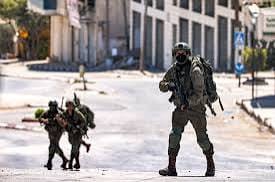
This isn’t just legal theater; there are real-world consequences playing out in Europe. There used to be a solid separation between European talk about international law and the actual business of selling and buying with Israel. That line is gone. If you want proof, just look at what happened in the Netherlands. Dutch courts, reviewing whether the government should keep exporting arms to Israel, actually pointed to serious risks of potential war crimes in Gaza. Even though the judges ultimately let the government call the shots, their words changed the conversation, not just nationally but across the continent. Suddenly, lawyers and activists are using that ruling to launch challenges in other countries.
Spain didn’t just follow; it jumped ahead. Pedro Sánchez went beyond scolding Israel from afar, the Spanish Parliament passed a hard law, an all-out arms embargo. Not just guns and rockets, but dual-use tech, aviation fuel, even products tied to the West Bank, all banned. Spain’s message: we won’t have any part in what might be deemed international crimes. Madrid isn’t acting alone. This is becoming the new normal. More than eighteen European governments have waded into the ICJ case. Ireland, Iceland, Belgium, they’re pushing even harder, looking to rewrite rules on state responsibility and humanitarian rights.
This shift rips up the script on which Israel’s foreign policy has relied for decades. The old beliefs were simple: as long as Israel kept its military edge, built strong business ties, and leaned on Western support, it would always have cover from international backlash. That cover is disappearing fast. Countries that once brushed off talk of sanctions are feeling the heat, not just from protests but from their own legal and political systems. When domestic courts and parliaments start talking about state or even individual criminal liability over arms sales, things change quickly. Export licenses start to dry up; routine cooperation stops being so routine.
The costs aren’t abstract. Israel’s defense industry, powerful as it is, doesn’t operate in isolation. It depends on imports, shared research, components from all over the world, and a flow of technology and talent that crosses borders. European partners start quietly cutting off shipments, turning away ships, freezing joint projects, even university labs feel the chill. That slowly grinds away at the IDF’s operational edge.
And it’s not just the military. This diplomatic drift puts Israel’s place in the global economy on the line. If trade barriers go up, if sporting and cultural bodies shut the door, if boycotts catch on, investors start to look elsewhere. Israel’s tech-driven economy thrives on foreign money and open connections. Put the country under diplomatic quarantine, and that growth could dry up fast.
If we’re honest, the real danger isn’t defeat in some traditional sense. Hamas and its supporters know they can’t beat the IDF tank for tank or soldier for soldier. Their hopes ride on something else: grinding Israel down through legal and diplomatic struggles, stretching out every process in the UN, at the ICJ, and inside European parliaments. By treating those arenas as afterthoughts, Israel walked right into their strategy.
Winning battles in Gaza means little if we lose alliances and credibility in Europe. That’s not how you secure a nation’s future; that’s how you set it up for decline. Armies win ground, but it’s diplomacy and law, the verdicts in distant courts, the moods in far-off legislatures, that decide who gets to stay and thrive.
Israel needs to face this, and soon. Military victories, no matter how complete, can’t prop up the country without genuine diplomatic legitimacy. It’s not about caving to outside pressure; it’s about making sure Israel has a future that isn’t lonely and embattled, a future with friends, trade, and respect. Fixing this means getting serious about rebuilding trust with Europe, sticking tightly to humanitarian laws, and offering the world a real political plan for what comes after the fighting stops. If our leaders can’t turn the ship now, we might wake up having won every battle, yet find ourselves cut off in a world that feels more hostile by the day. That’s not a risk we can put off any longer.