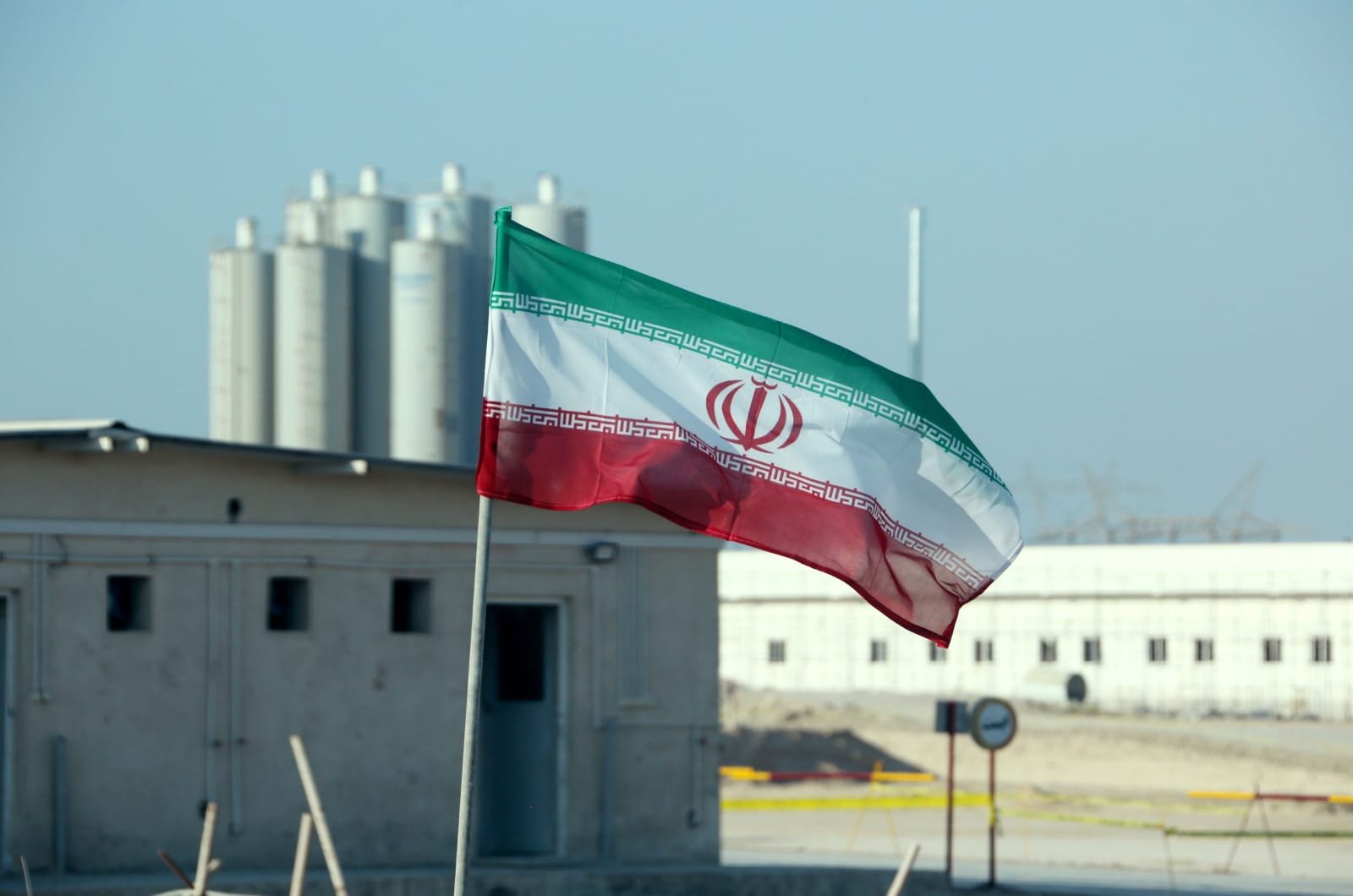
Moshe Edri’s warning in Vienna this week wasn’t the usual diplomatic routine. When the Director-General of Israel’s Atomic Energy Commission told the International Atomic Energy Agency that Iran now holds more than nine tons of nuclear material, 440 kilograms of which is highly enriched uranium, he put it plainly: the region now faces a real, immediate danger. That amount of uranium is enough for more than ten bombs. We’re not talking about speculation or worst-case projections; we’re talking about what’s sitting in Iranian hands right now.
For years, the world clung to the idea that Iran’s nuclear ambitions could be boxed in with talks, piecemeal agreements, or endless international monitoring. That fantasy’s over. Iran isn’t hiding anymore. Instead, it’s ramping up production and hoarding fissile material with almost no time left between “breakout” and full-blown weaponization. The illusion of gradual progress has collapsed. Suddenly, there’s hardly any room left for comfort, and the risk isn’t theoretical anymore, it’s right on our doorstep.
Edri’s remarks came in a tense moment. The IAEA’s Board of Governors just reported Iran to the UN Security Council for serious violations, a step they hadn’t taken in two decades. You’d think this would light a fire under the world’s feet, but international reaction is still stuck in slow motion. While diplomats debate, Iran spends every day hardening its underground enrichment plants, stockpiling weapons-grade uranium, rebuilding missile factories, and bankrolling its proxies from Lebanon to Yemen. The machinery of global security is jammed by bureaucracy and a growing indifference to actual consequences.
Part of Iran’s game is pretending to play along, meeting with inspectors and claiming cooperation while hiding the real story. You don’t quietly collect nine tons of sensitive nuclear material by accident; it takes focus, money, and a plan. At a certain point, the amount of uranium matters more than whatever Iran claims its intentions are. This stockpile isn’t just a bargaining chip, it’s power in itself, a tool to hold over the head of every country in the region.
Edri didn’t just talk numbers, he gave the room a history lesson. He pointed to Israel’s 2007 attack on the Syrian nuclear reactor, which the world had politely ignored until the IDF planes erased it from the map. Imagine Assad’s regime in the middle of Syria’s civil war, holding a real nuclear arsenal. Israel didn’t let that happen, and it didn’t wait for permission, either. It was the same in the 1981 strike on Iraq’s reactor. The message from both moments is clear: when international guarantees break down, Israel won’t gamble its existence on outside promises or endless process. If no one else acts, Israel will.
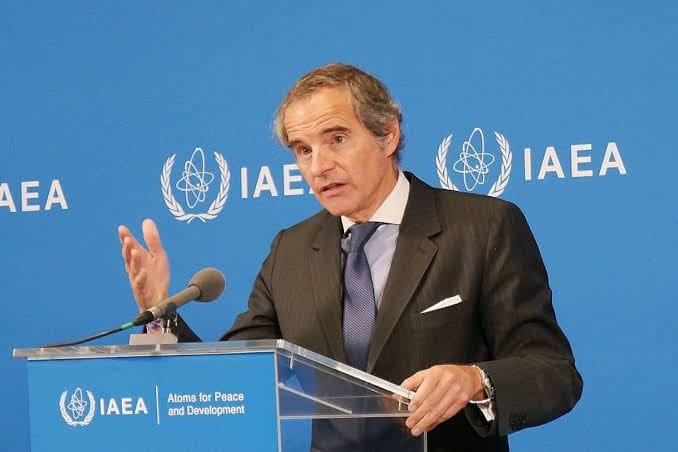
There’s never been ambiguity in Israel’s nuclear policy. Letting a hostile regime, one that openly promises to erase Israel, get nuclear weapons is an absolute non-starter. Of course, everyone here wants a diplomatic solution, but those talks had better come with real teeth, like automatic sanctions and real, anytime inspections, not endless paperwork. Right now, the diplomatic clock is almost out of time. Once Iran amasses enough weapons-grade uranium, talks and oversight are just theater.
Anyone who watched the Vienna session also saw plenty of hypocrisy. Like clockwork, the Arab states pushed again to throw “Israeli Nuclear Capabilities” onto the IAEA agenda. It’s an annual ritual, not to solve the real crisis, but to shift the spotlight from Iran, the world’s most notorious proliferator, to Israel, the only functioning democracy in the region. It’s a cynical move, one that wastes precious time and keeps the agency from doing its actual job. Demanding that the IAEA focus on the real threat isn’t dodging scrutiny; it’s demanding that the agency protect the region from disaster.
Iran with the bomb wouldn’t just shake Israel; it would unbalance the whole Middle East in one stroke. Suddenly, Iran’s clients, Hamas, Hezbollah, the Houthis, would feel invincible, knowing their patron had the ultimate deterrent. Sunni capitals like Riyadh and Ankara wouldn’t wait long before chasing their own nuclear programs. Everyone would be forced into a deadly race, and the world’s most volatile region would become even more unstable.
Right now, talk is cheap. Committees, working groups, and official statements won’t shrink Iran’s stockpile by a single gram. If the UN Security Council doesn’t act, and soon, by enforcing real, biting sanctions, they’re basically telling Israel to act alone. History couldn’t be clearer on this point: when a dictatorship swears it means to destroy you and builds the tools to do it, you have to take them at their word. Edri’s speech wasn’t just an intelligence update; it was a final warning, a last-ditch effort to bring the international community to its senses. Either the world blocks Iran’s nuclear path now, or Israel will do it, with whatever it takes. That’s not a threat. It’s the simple lesson of survival.