
Strategic Analysis: Diplomatic Fallout, Military Discipline, and Sovereign Law Enforcement in Judea & Samaria
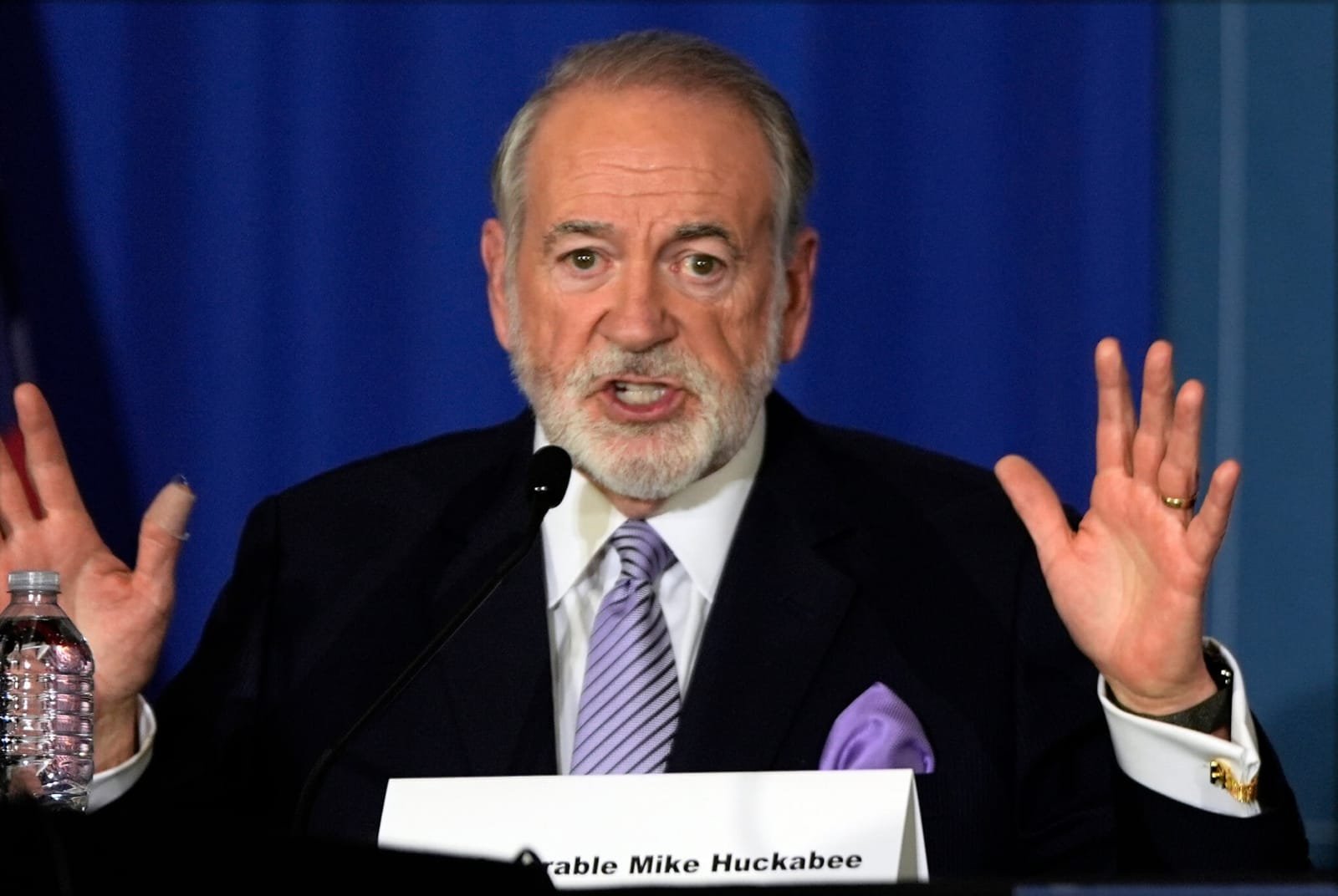
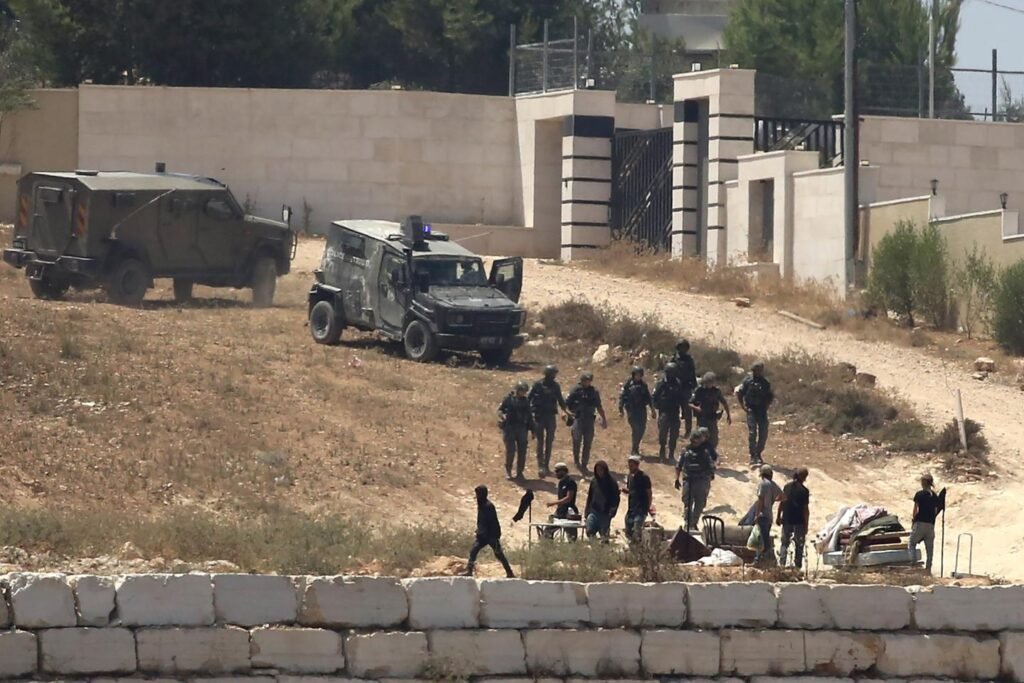
When US Ambassador to Israel Mike Huckabee publicly called Israeli settlers “terrorists” this week, the reaction across the Israeli political spectrum was immediate shock. Huckabee has built a reputation as an unwavering evangelical supporter of Israel, someone who’s historically refused to even use the word “settler” or call the West Bank occupied territory. For a diplomat with that track record to reach for language this harsh marks a real shift in Washington’s tone. It signals that even Israel’s most devoted ideological allies inside the American political establishment have hit a breaking point over lawlessness in Judea and Samaria.The incident that triggered this whole diplomatic storm unfolded in the West Bank village of Qusra. For days, extremist settlers laid siege to three Palestinian homes, putting up makeshift structures right outside the properties, cutting off essential utilities, and blocking residents from moving freely. Among those trapped inside was a Palestinian American family, including young children. Pushing back on social media against claims that Washington was failing its own citizens, Huckabee revealed that the US embassy in Jerusalem had directly pressured the IDF and Israel Police to intervene. He described the siege in blunt terms, calling it a horrific act of terror, thuggish behavior, and outright criminal activity.
1. Internal Military Friction and Radicalization
This episode exposes a real and dangerous rift inside the Israeli security hierarchy. When IDF units initially tried to declare a closed military zone and dismantle the illegal structures, settlers resisted fiercely and called in reinforcements. Even more troubling were video recordings showing uniformed Israeli soldiers praying alongside the very extremists besieging local residents. IDF leadership quickly announced disciplinary proceedings against the soldiers involved, but the footage confirmed something security officials have been warning about for months. Radicalization within fringe groups is starting to erode military discipline and undermine the rule of law from within.
2. Dual Nationality, Diplomatic Scrutiny, and Sanctions Risks
For Israeli strategic planners, the American ambassador’s public outrage can’t be waved off as routine State Department criticism. It highlights a recurring, dangerous pattern where citizens holding dual nationality with the United States keep ending up targeted by radical groups in the West Bank. The death of twenty year old Sayfollah Musallet in July 2025 and the fatal shooting of nineteen year old Nasrallah Abu Siyam in Mukhmas earlier this year both drew intense scrutiny from Washington. When American citizens are killed or harassed without clear judicial accountability, the issue quickly escalates from a localized security problem into a full scale diplomatic crisis.
The international legal backdrop makes the Israeli government’s position increasingly precarious too. Following the advisory opinion issued by the International Court of Justice in July 2024, international scrutiny over settlement activity and civil administration in the territories reached an all time high. When local authorities fail to decisively curb settler violence, foreign governments gain ammunition to push for broader international sanctions. Washington has already shown a willingness to impose financial restrictions and visa bans on radical individuals and outposts. If Jerusalem fails to enforce law and order, those sanctions are only going to broaden and start targeting higher level institutions.
Strategic Security Warning: This breakdown in governance poses a direct threat to core Israeli national security interests. Security forces in the West Bank are already stretched thin, juggling counterterrorism operations and monitoring regional threats. When army units get forced to deploy protecting Palestinian villages from lawless Israeli citizens, that pulls military resources away from vital defense duties elsewhere. Former IDF commanders and Shin Bet officials have repeatedly warned that vigilante violence acts as a major catalyst for broader regional instability, risking a wider uprising that ultimately serves the operational goals of hostile foreign powers.
3. Domestic Political Impunity and Governance Challenges
From a domestic angle, the political paralysis around rule of law in Judea and Samaria is genuinely unsustainable. Certain coalition figures actively court radical elements, treating violent outposts as legitimate strategic assets rather than illegal liabilities. That kind of political coddling creates a dangerous climate of impunity. When violent groups believe they’re shielded from prosecution because of political backing in Jerusalem, their behavior only gets more aggressive over time. This dynamic puts the professional command of the IDF and police in an impossible position, forced to choose between enforcing the law and navigating internal political pressure from above.The strategic damage to Israel’s international standing here is significant. For decades, Israeli public diplomacy argued that the state operates under strict adherence to the rule of law and democratic accountability. But when an ambassador known for his staunch pro Israel stance publicly accuses local authorities of turning a blind eye to terrorism, that whole defensive narrative collapses. Support from the United States isn’t a blank check, and strategic partnerships depend heavily on shared values holding up. Letting small groups of violent extremists dictate foreign policy and alienate key strategic allies is an unacceptable gamble with national security.
4. Key Strategic Recommendations
To restore domestic authority and rebuild international trust, the Israeli government must implement three core policy pillars:
1. Law Enforcement & Equal Justice:
Law enforcement agencies cannot treat violent extremists with leniency or wave off their actions as minor civil infractions. The legal system needs to apply equal justice, conducting thorough investigations into all allegations of vigilante violence and making sure perpetrators actually face swift prosecution in court.
2. Military Discipline & Zero Tolerance:
Military leadership needs to establish zero tolerance policies for personnel who fraternize with illegal operators or refuse to enforce lawful orders in the field.
3. Internal Sovereignty & Alliance Safeguards:
Restoring order, enforcing strict military discipline, and holding lawbreakers accountable are essential requirements for preserving national stability and safeguarding the strategic alliance with the United States.
The crisis in Qusra should serve as an urgent wake up call for the government in Jerusalem. National defense isn’t just about countering external enemies. It requires maintaining internal sovereignty and enforcing the rule of law across every area under state control. When a close friend like Mike Huckabee reaches for the word terrorist to describe Israeli citizens, the country can’t afford to look the other way.