Strategic Analysis: Diplomatic Fallout, Sovereignty, and the Threat to Rule of Law
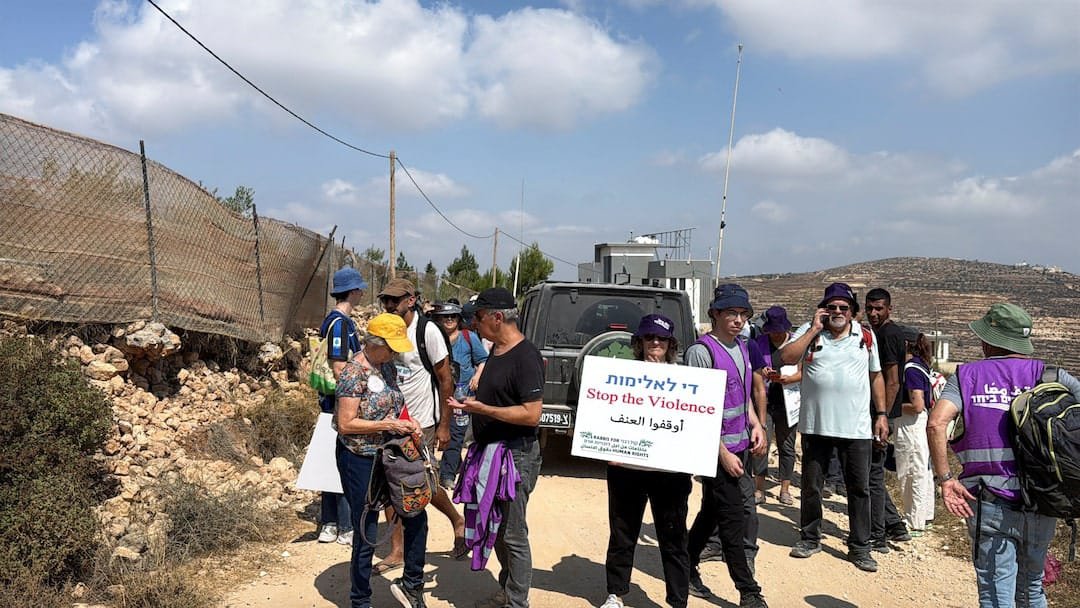
The recent siege in the West Bank village of Qusra has triggered a genuine diplomatic crisis that reaches far beyond local friction, dealing a serious blow to Israel’s standing on the international stage. When extremist settlers encircled Palestinian homes, cut off essential utilities like water and electricity, and trapped families inside, including a Palestinian American household, they exposed a dangerous breakdown of civil order happening under the watchful eye of the state itself. What makes this episode particularly damaging to Israel’s global reputation isn’t just the cruelty of the act. It’s the public fallout it generated with Israel’s most vital ally, the United States.
The international ramifications became starkly clear when US Ambassador Mike Huckabee publicly condemned the perpetrators as “Israeli terrorists.” For an ambassador who’s historically championed the settlement movement and refused to use critical terminology about the territories, this language marked a genuinely unprecedented rupture. Coming from a figure so closely aligned with the Israeli right, that kind of explosive terminology sent real shockwaves through both Washington and Jerusalem. When even staunch conservative allies feel compelled to publicly denounce vigilante action, the traditional defensive narrative that Israel operates under an unassailable system of rule of law starts to collapse.
1. Washington’s Demands and Washington-Jerusalem Tension
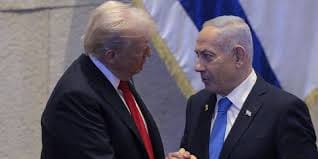
At the center of this escalating friction sits a demand coming straight from the White House. High ranking officials have actively and repeatedly pressed Netanyahu to issue an unambiguous public condemnation of the violence. That insistence on a formal, high level denunciation reflects growing impatience in Western capitals over the lack of accountability for settler violence. Washington’s message here is pretty clear. The optics of state tolerated vigilantism are no longer sustainable, and the prime minister’s apparent hesitation to alienate his right wing coalition partners is causing real, tangible damage to the bilateral relationship.
The involvement of a Palestinian American household in the siege added another layer of domestic pressure inside the United States too. The administration in Washington, already dealing with internal party divisions over its Middle East policy, had to contend with an incident striking at the core of American concerns about protecting its own citizens abroad. The demand for Netanyahu to condemn the siege wasn’t just a diplomatic formality. It was an attempt to manage domestic political backlash in the US, where how Israeli settlers treat Palestinian Americans is increasingly being viewed through the lens of civil rights and basic human safety.
2. International Legal Scrutiny and European Sanctions
Global public opinion and international legal bodies are watching these developments closely, using incidents like this to challenge Israel’s democratic credentials. Following the ICJ advisory opinion declaring the occupation unlawful, foreign governments are increasingly looking for concrete evidence of either impunity or accountability. When fringe groups can blockade civilian homes for days, cut off water supplies, and even generate social media footage of security personnel fraternizing or praying alongside them, it hands endless ammunition to critics pushing for broad international sanctions. Every unpunished act of domestic extremism chips away at the moral authority Israel relies on to justify its security measures abroad.
The diplomatic fallout reaches into the corridors of the UN and the chancelleries of Europe too. Where Israel once got the benefit of the doubt about the genuine complexity of maintaining order in a hostile environment, incidents like Qusra hand critics a visual, visceral counter narrative instead. The images of terrified families trapped by their own neighbors, paired with the apparent inaction, or worse, the perceived complicity, of the security apparatus, create a real crisis of legitimacy. For many European nations already debating targeted sanctions against individuals involved in settler violence, the Qusra siege serves as a catalyst, pushing those conversations from theoretical to actionable.
Governance and Security Risk: Domestically, the political hesitation in Jerusalem only compounds the damage. With an election looming and right wing coalition partners sensitive to settler constituencies, political leaders have largely stayed quiet, balancing state accountability against narrow electoral survival. But that internal political calculation is increasingly being read globally as an abdication of responsibility. When the head of government looks tethered to the political whims of those enabling or participating in this kind of violence, the state’s institutional strength itself gets called into question. This paralysis at the center of government projects an image of a state captured by radicals.
3. Core Institutional and Law Enforcement Imperatives
To restore international credibility and preserve internal sovereignty, the state must take comprehensive structural measures:
1. Uncompromising Judicial Independence: The judiciary and security services must enforce the law without ideological bias, conducting thorough criminal prosecutions of vigilante violent operators regardless of political coalition considerations.
2. Institutional Confrontation of Extremism: Transitioning away from reactive crisis management toward proactively dismantling the extremist ideological networks that enable vigilante violence.
3. Restoring Democratic Accountability: Upholding strict military and police discipline to eliminate fraternization or perceived complicity with illegal outposts.Over the long term, the isolation Israel risks by ignoring these diplomatic warnings could be genuinely profound. A state that loses its reputation for upholding rule of law loses its primary tool for global engagement. Whether in trade agreements, military cooperation, or legal protection in international forums, Israel’s status as a Western aligned democracy depends on the belief that it’s governed by laws, not by the shifting agendas of extremist factions.
In the end, the siege of Qusra needs to serve as a wake up call for Israeli leadership. The path of least resistance, appeasing coalition partners while managing the fallout of settler violence, has reached a dead end. Netanyahu’s real challenge now is deciding whether his legacy gets defined by preserving a narrow political coalition or by preserving Israel’s international standing and moral authority. Publicly confronting the perpetrators of this kind of violence isn’t an act of political weakness. It’s an act of statecraft, essential to keeping the democratic project secure against threats coming from both its enemies and from within its own borders. If the state refuses to enforce its own laws, it invites the international community to do it instead, a prospect that should genuinely concern every citizen who cares about the country’s future.