
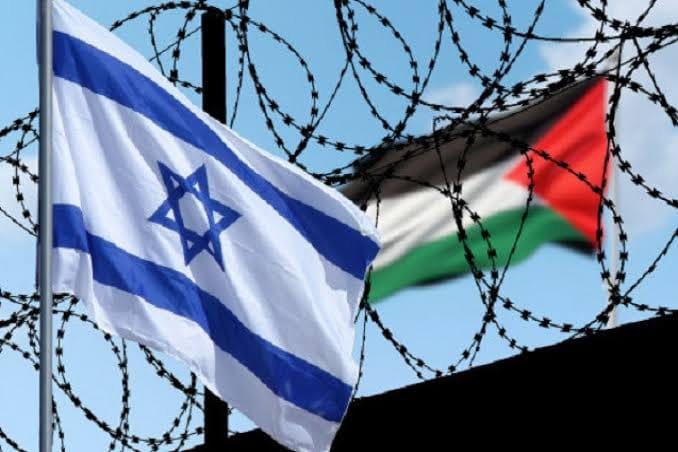
Strategic Security Assessment | Board of Peace Initiative, Buffer Zone Expansion, and Non-Negotiable Demilitarization
1. Strategic Disconnect over Gaza’s Future
The strategic rift between Washington and Jerusalem over Gaza’s future hit a dramatic boiling point this August. On July 30, Trump announced a major breakthrough under his Board of Peace initiative. The ambitious fifteen point proposal called for a phased roadmap requiring Palestinian armed factions to disarm while Israeli forces carried out a step by step military withdrawal. To Washington, the plan looked like a decisive diplomatic exit strategy meant to close out months of intense regional conflict. But the operational reality on the ground tells a fundamentally different story. On August 9, Netanyahu delivered a blunt rebuke during a cabinet meeting, declaring that Israel rejects the fifteen point document outright. He reaffirmed that the Israel Defense Forces won’t carry out any withdrawal until Hamas is genuinely disarmed. His statement laid bare a fundamental disagreement over security priorities that no amount of diplomatic gloss can paper over.
Washington seems eager to move toward a quick resolution, but Jerusalem can’t really afford that kind of wishful thinking. Defense Minister Israel Katz reinforced this unyielding stance three days later, emphasizing that Israel won’t pull back its forces from Gaza, Lebanon, or Syria without absolute security guarantees in hand. From the perspective of Israeli defense planners, accepting a phased withdrawal in exchange for unverified promises of disarmament is basically a fatal trap. Netanyahu made clear to his cabinet that disarmament can’t be some fictitious gesture. It has to mean the complete surrender of all heavy weaponry, light arms, and military infrastructure. Any agreement that lets hostile factions hold onto weapons while Israeli troops pull back simply sets the stage for the next catastrophic assault on southern Israeli communities.
2. Public Opinion and the Legacy of the 2005 Disengagement
This firm posture isn’t just the calculation of one leader or a single political coalition either. It reflects a real shift in Israeli public opinion that’s solidified over the past two years. Recent polling shows seventy six percent of Israelis now consider the 2005 unilateral disengagement from Gaza to have been a tragic historical mistake. Withdrawal, once framed by past leaders as a path toward stability, is now widely seen across the national consensus as the original security error. That same survey shows fifty percent of all Israelis support renewing Jewish settlement inside Gaza itself, a figure that climbs to sixty seven percent among religious Israelis and eighty three percent among the ultra Orthodox population. Most tellingly, fifty six percent of respondents believe that if the 2005 withdrawal had never happened, the atrocities of October 7 would have been far less likely to occur.
These numbers explain why Netanyahu and his political rivals alike are staying resolute against American pressure. The Israeli electorate has drawn pretty clear conclusions from history at this point. For nearly two decades, Israelis watched Gaza transform from an evacuated territory into a heavily fortified launchpad for rockets, cross border tunnels, and deadly raids. When Trump dismissed Netanyahu’s rejection as mere election posturing, he badly misread the Israeli mood. The refusal to pull back isn’t some temporary campaign tactic. It’s the expression of a deeply ingrained national determination never to repeat the strategic mistakes of the past. Politicians across the spectrum understand that agreeing to an unverified withdrawal would mean alienating a traumatized public that demands absolute security above everything else.
3. Operational Realities and Expanded Control
Following the announcement of the American plan, the IDF maintained targeted pressure across the enclave, conducting strikes against identified militant positions and weapon storage sites. Operational targets included storage facilities near Al Aqsa Martyrs Hospital in Deir el Balah, where intelligence indicated dangerous stockpiles were being kept alongside critical infrastructure. Military planners understand that letting terror groups shelter near civilian and medical sites creates enormous operational challenges. But letting enemy factions stockpile weapons under the cover of diplomatic negotiations poses an immediate threat to Israeli soldiers and civilians alike.
Since the temporary ceasefire established in October 2025, Israeli forces have adapted their operational footprint to maintain tactical dominance. Israel expanded its security buffer in Gaza, growing its military presence from fifty three percent to roughly seventy percent of the territory. This expanded perimeter functions as an essential defensive shield protecting border towns and military positions. From Jerusalem’s perspective, any future diplomatic talks about troop movements need to start from this expanded line of control, not from arbitrary historical boundaries. Security commanders understand that giving up hard won physical control without complete demilitarization would invite immediate operational risks that no responsible government could accept.
4. Sovereign Limits and Historical Lessons
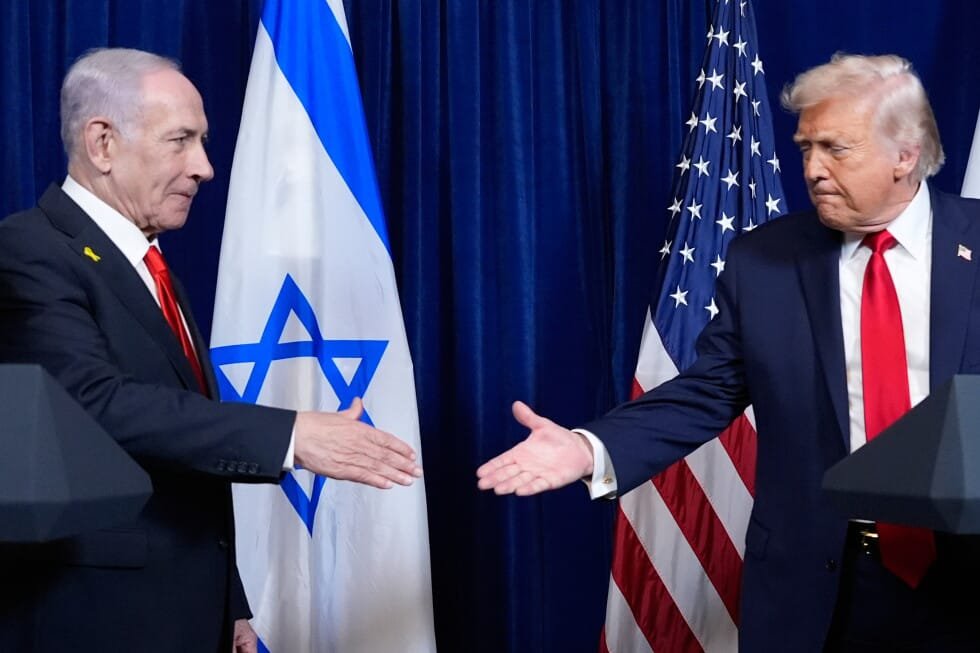
The broader relationship between Jerusalem and Washington has weathered plenty of friction before, but this current dispute cuts right to the core of Israeli sovereignty. Netanyahu captured this dynamic accurately when he noted that Israel knows how to stand its ground even against its closest friends. While Israel deeply values its historic partnership with the United States, American political timelines can’t dictate Israeli defense needs. Presidents in Washington might want quick diplomatic wins to bolster their domestic legacies, but it’s Israeli citizens who bear the direct consequences when security fails. The idea that Jerusalem has to yield to foreign pressure every time a president announces a peace plan ignores the existential reality the Jewish state actually faces.
A look at recent history explains why skepticism toward diplomatic frameworks remains so high inside Israel. During the October 2025 captive release agreement, Israel achieved its primary goal of bringing hostages home while staying vigilant against lingering threats. In the months that followed, enemy forces repeatedly tried exploiting gaps in the ceasefire, forcing Israeli troops to respond to thousands of tactical violations and eliminate over thirteen hundred enemy combatants along the way. These ongoing engagements show that militant groups in Gaza haven’t abandoned their long term goal of destroying Israel. Under these conditions, trusting a fifteen point document that relies on gradual, self monitored disarmament would be a genuine act of strategic negligence.
5. Strategic Realism and Unyielding Resolve
The path forward demands absolute clarity from Israeli leadership and unyielding resolve on the international stage. Israel needs to keep making its position clear to allies and adversaries alike. Peace can’t be established through paper declarations, and security can’t be achieved by retreating behind vulnerable borders. Real regional stability requires the total demilitarization of Gaza, the destruction of all underground terror networks, and unhampered freedom for the IDF to neutralize emerging threats. As the country heads into a critical election season, the mandate from the Israeli public remains pretty unmistakable. Jerusalem needs to reject premature withdrawals, maintain its strategic depth, and make sure the safety of its citizens is never traded away for foreign approval.