Strategic Reality Check on Ankara’s Regional Presence and Diplomatic Rhetoric
When Erdogan and his foreign ministry line up to condemn Israeli military operations, the moralizing tone out of Ankara is as loud as it is predictable. For years, Israeli diplomats absorbed these rhetorical attacks with quiet restraint, treating them as domestic posturing meant to satisfy Turkish electoral bases back home. That era of strategic silence is officially over.
Israel’s Foreign Ministry recently fired back with a devastatingly blunt reality check, exposing Ankara’s real hypocrisy on the world stage. The message out of Jerusalem was simple and uncompromising, Turkey should examine its own expansive imperial footprint before it dares lecture a sovereign nation defending its citizens from existential threats.
1. The Comparative Numbers: Ankara vs. Jerusalem
The numbers Israeli officials compiled present a genuinely staggering contrast that Ankara can’t easily spin away. While Turkish officials preach about international law and sovereignty, their own military apparatus runs an aggressive network of foreign occupations and forward military bases scattered across the region.
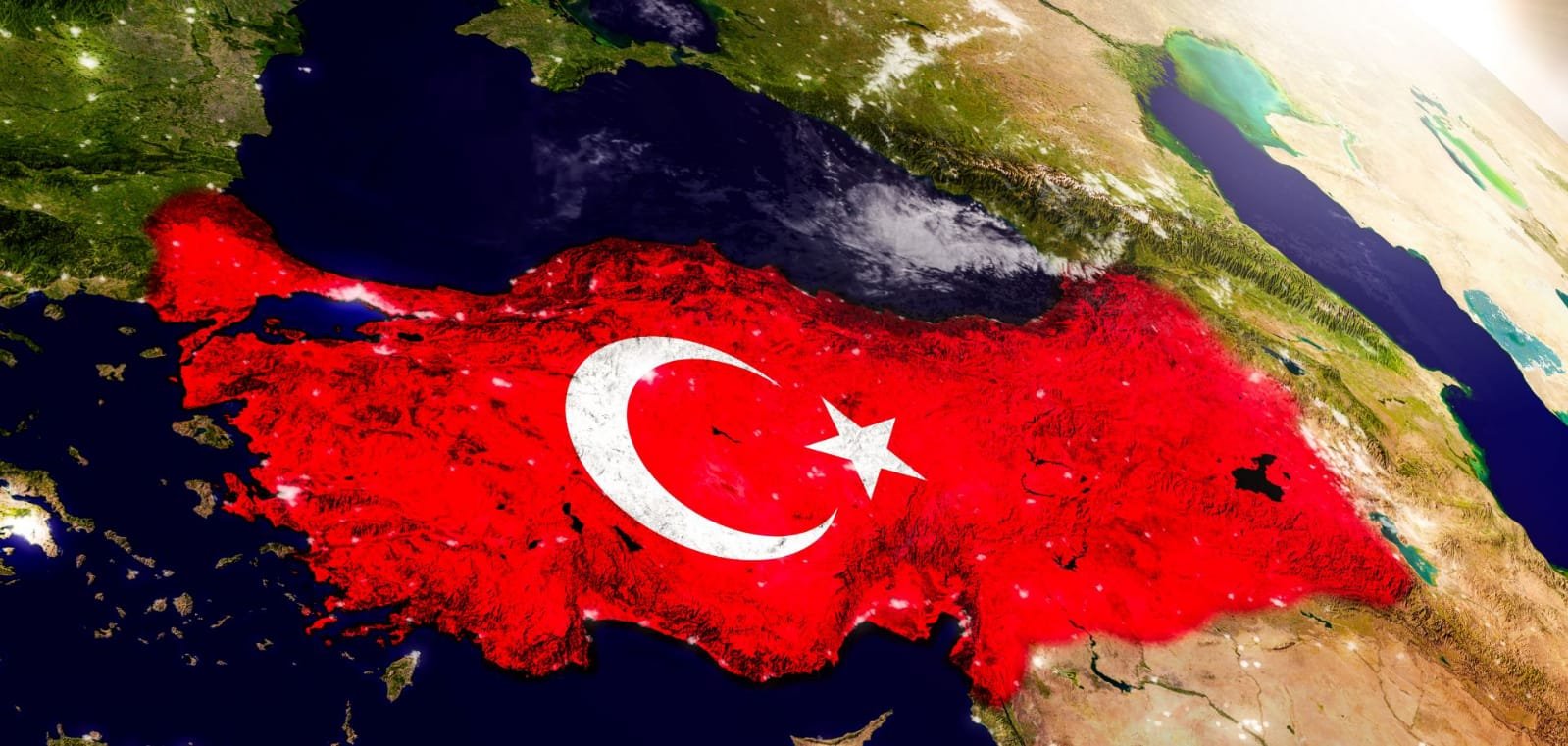
Turkey’s Expansive Regional Footprint
Republic of Cyprus: Turkey maintains an illegal military occupation over thirty six percent of the sovereign Republic of Cyprus, a direct legacy of its 1974 invasion that remains an unresolved violation of European stability to this day.
Northern Syria: Turkish forces control roughly five percent of national territory, maintaining an entrenched military presence that’s systematically displaced local populations and targeted Kurdish communities.
Northern Iraq: Turkish forces occupy nearly two thousand square kilometers, running dozens of forward military outposts with total disregard for Baghdad’s nominal authority.
Israel’s Defensive Security Buffer
Northern Border: By contrast, Israel’s operational posture along its northern border is defined strictly by defense and localized necessity. Jerusalem’s temporary presence in southern Syrian border areas accounts for a mere zero point one percent of Syrian land.Security Buffer: That minimal perimeter exists solely as a vital security buffer, meant to neutralize hostile terror proxies, disrupt weapons smuggling, and protect Israeli families in Galilee towns from cross border raids.
2. Defensive Imperatives vs. Neo-Ottoman Ambition
Naturally, critics point out that this zero point one percent figure doesn’t include the Golan Heights, which Israel captured during the 1967 Six Day War and formally annexed in 1981. But conflating the strategic defensive height of the Golan with Turkish regional expansionism ignores basic historical reality. Israel took the Golan Heights after Syrian artillery spent years using those very cliffs to shell peaceful agricultural kibbutzim below. Holding that high ground was, and remains, an absolute requirement for national survival, recognized as such by key global allies.
Key Strategic Distinction: The fundamental distinction between Jerusalem and Ankara really comes down to motivation. Israel’s military movements are purely defensive reactions forced on it by hostile state and non state actors surrounding it. When Israel moves troops or sets up a temporary security zone, it does so to dismantle missile networks, destroy terror tunnels, and stop hostile forces from breaching its borders. Israel has repeatedly shown a willingness to trade land for real, verifiable peace, as it did with both Egypt and Jordan.
Turkey’s foreign footprint, by contrast, is driven by neo Ottoman ideological ambition and a desire to project power far beyond its own borders. Under Erdogan, Ankara has weaponized foreign military deployments to bully regional neighbors, secure Mediterranean energy claims, and project dominance across the Levant. Turkish leadership routinely crosses international borders to pursue its own objectives, yet somehow expects the international community to overlook its own aggressive expansionism at the same time.
3. Political Theater and the Shift in Israeli Diplomacy
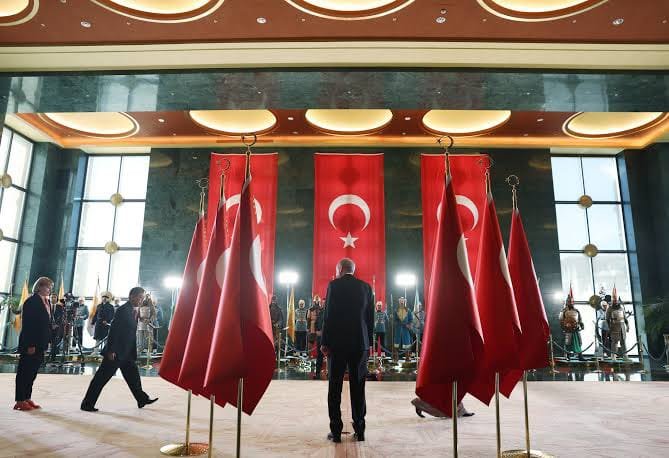
When Foreign Minister Hakan Fidan or Erdogan himself accuse Israel of destabilizing the region, they’re practicing rank political theater. It’s the classic move of an authoritarian regime trying to distract from its own aggressive policies and domestic economic turmoil by manufacturing a convenient foreign scapegoat. By casting Israel as the aggressor, Ankara tries to position itself as the self appointed champion of the Islamic world, conveniently ignoring the immense human cost of its own military campaigns in Syria and Iraq.Jerusalem’s decision to lay these facts out publicly marks a necessary shift toward more assertive diplomacy. For too long, regional actors have weaponized international forums to delegitimize Israeli self defense while quietly hiding their own far more expansive territorial infringements. Exposing Turkey’s hypocrisy strips away the moral authority Ankara claims to hold on the global stage.
4. Conclusion & Core Takeaway
Israel has no interest in controlling foreign territory for the sake of empire. Its strategic objective has always been simple and consistent, security within recognized, defensible borders.If Turkey wants its diplomatic statements to carry any genuine weight, it should start by:
1. Cyprus Occupation: Ending its half century occupation of Northern Cyprus.
2. Levant Troop Withdrawal: Withdrawing its troops from Syria and Iraq.
3. Regional Sovereignty: Actually respecting the sovereignty of its neighbors.
Until Ankara cleans up its own aggressive international footprint, its self righteous lectures to Israel are going to remain nothing more than hollow propaganda.