
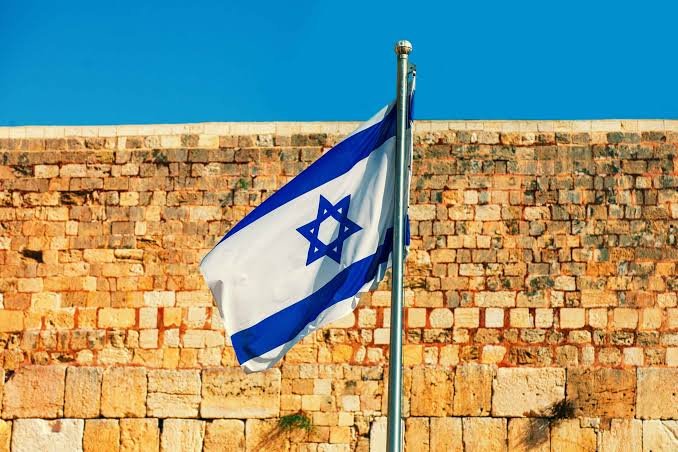
Three years after the horrors of Black Saturday, October 7, 2023, Israel’s still stuck in a brutal, sprawling conflict, fighting across seven fronts. It’s not just Gaza or southern Lebanon anymore; the battlefield stretches through Syria, Iraq, Yemen, Iran, and the West Bank. The Israel Defense Forces have shown they’re tough, taking out enemy leaders, dismantling proxy networks, and projecting power all over the Middle East. But if you just measure Israel’s survival by its battlefield wins, you miss the bigger, more painful reality. The country’s soldiers have fought bravely, there’s no doubt, but the political leadership’s choices have turned everything upside down and triggered a string of disasters far beyond the military arena: diplomacy, society, and ethics.
The diplomatic wreckage is honestly one of the most shocking failures in recent history. Back in autumn 2023, Israel was invaded out of the blue, with innocent civilians murdered, tortured, raped, and hidden underground. By any standard, international law, basic moral sense, Israel’s defense should have been clear cut and justified. It wasn’t. Three years later, the world keeps painting Israel as the villain in the very war it didn’t start.
This isn’t just the usual criticism from outspoken European countries like Spain or Ireland, either. Allies that stood by Israel for decades, like the Netherlands and Great Britain, are suddenly less friendly, even hostile. In the US, what used to be a solid bipartisan backing has dissolved. It’s left campus protests and youth groups behind; now, even mainstream politicians argue about Israel’s place in the world.
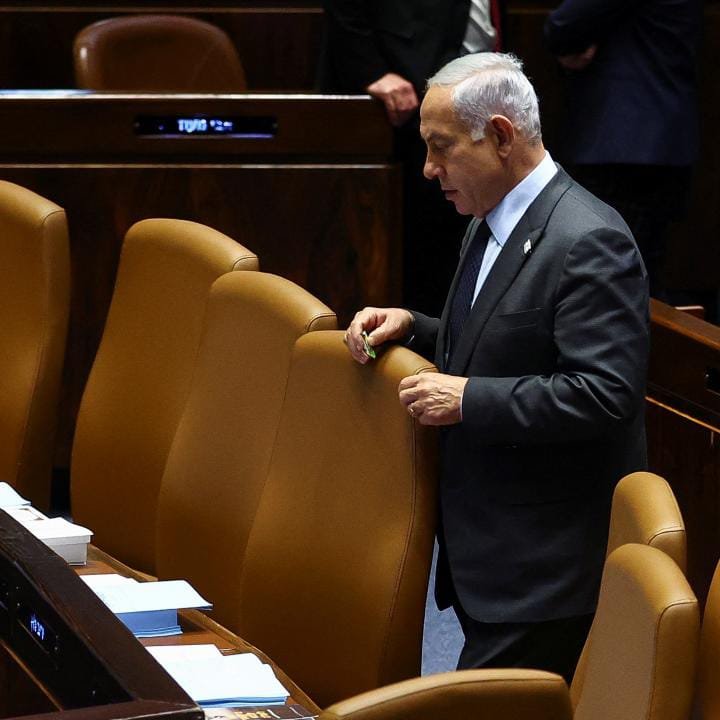
What’s heartbreaking is that the facts aren’t really the problem. The real issue is how Israel communicates, or rather, doesn’t. The diplomats are underfunded, pushed aside, and used as political chess pieces. Critical ambassador posts and foreign missions keep going to political allies, not experienced communicators who know how to win hearts and minds. Career diplomats, folks who actually know what they’re doing, are ignored and often denied the money they need to do their jobs.
Nobody’s out front, making a strong case: that Israel faces an Iranian backed Islamist network dug in among civilians, that no other Western democracy has had to fight this kind of asymmetric war, and that Israel’s standing between the region and chaos. Instead, Jerusalem stays reactive. The low point? At the United Nations General Assembly, when eighty countries’ delegates, half the room, walked out the moment Netanyahu stood up to speak. That’s what real isolation looks like.
But the diplomatic beat down is almost nothing compared to what’s happened inside Israel itself. In the past, threats to the nation have brought people together. During the Six Day War, Yom Kippur, even during the Second Intifada, bitter political fights were pushed aside. People united, stood up, sacrificed.
Not this time. This war, political leaders actually made divisions worse. While reservists walked away from their families, jobs, and lives, over and over, for tough deployments, the government moved to protect ultra Orthodox coalition partners from the draft. Instead of demanding everyone share the defense burden, leaders tried to write draft exemptions into law, just to keep their political alliances. So now, Israel’s split: one part of society pays the physical and economic price, while others are shielded by politics. That’s more than a difference of opinion, that’s a broken social contract, and it wrecks the unity needed to survive a war.
And then, honestly, there’s the moral crash. Wartime leaders have a duty to face facts: be transparent, own mistakes, respect institutions. Instead, Israel’s establishment kept dodging demands for an independent inquiry into what failed in intelligence, military, and politics on October 7. They didn’t want an impartial review, instead, politicians lashed out at judges, blamed generals, and pushed conspiracy theories to cover their own tracks. When the government refuses to admit where it went wrong and blocks efforts at honest, institutional accountability, it loses the moral authority that’s crucial for leading a democracy through chaos.
Israel’s battlefield victories don’t make up for these failures off the field. Sure, you can keep enemies at the border, but if your diplomacy collapses, your society splits, and your moral standards drop, you undermine your own strategic resilience. Saving Israel’s future will take more than just state of the art weapons. It needs leaders who rebuild trust inside the country, unite the population, and earn back credibility around the world. Without that, even the toughest military can’t guarantee lasting survival.