
Israel Dispatch

The Neo-Ottoman Threat There’s a quiet but permanent shift happening across the Middle East right now. While the world’s attention keeps drifting to familiar battlefields, a more fundamental contest is brewing in the background: Israel and Turkey are slowly drifting toward a zero sum standoff. The old idea that Ankara and Jerusalem share some deeper strategic bond or are bound by NATO constraints? That’s gone. It’s been swept aside. Instead, President Erdogan is driving a new kind of Turkish assertiveness, rooted in neo Ottoman ambition and Sunni political Islam, that’s spreading all over the region. And that puts him and Israel directly at odds. Look at Jerusalem. Israel’s approach has changed, too. Gone are the days of quietly maneuvering. Now, Netanyahu is moving aggressively off the defensive, even telling his Justice Ministry to draft a case against Erdogan at the International Criminal Court, accusing the Turkish president of targeting the Kurdish minority and supporting Hamas. Sure, neither country signed the Rome Statute, so this move isn’t really about winning a courtroom battle. It’s about signaling that Israel’s ready to use Turkey’s own internal fragility as a weapon against Ankara, just as Turkey has tried to do to Israel. But this rivalry isn’t just confined to legal sparring. It’s playing out right now in four major arenas: Syria, the Eastern Mediterranean, the Palestinian territories, and even as far as the Red Sea corridor. Syria is by far the hottest spot. Ankara’s thrown its weight behind a new Sunni led government in Damascus, pouring money and resources into rebuilding the Syrian military. To Israel, a Syrian force rebuilt and guided by Turkey spells real trouble, maybe an existential threat. So Israel keeps up its airstrikes, like that one on Abu Duhur Air Base, making it clear: it refuses to let Turkish backed air defense systems limit its freedom to act against threats. When Turkey’s top diplomat, Hakan Fidan, called Israel the main threat to Syrian stability, he wasn’t just speaking off the cuff. Both countries have boots on the ground in a fractured Syria, and their interests are on a collision course. Then there’s the Eastern Mediterranean, where it’s all about territory and energy. Turkey’s 2019 maritime deal with Libya grabbed a big chunk of sea, slicing through Greek islands and ignoring international norms. This directly threatens Israeli Greek Cypriot efforts to develop natural gas fields and build a regional power link. Turkey has warned it’ll use its navy to block any “unauthorized” operations on what it claims as its continental shelf. Israel’s lifeline to Europe is at stake. Inside Jerusalem and the West Bank, it’s more shadowy. Turkish intelligence is building up leverage through local networks. Hamas still runs key offices out of Istanbul, making Israeli security officials uneasy. Then there’s TIKA, Turkey’s development agency, which funds groups in East Jerusalem and the West Bank closely tied to Muslim Brotherhood circles. Turkey isn’t just supporting Palestinians from the sidelines anymore, it’s embedding itself deep in the issue. And now, the contest has spilled into the Red Sea route and the Horn of Africa. In December 2025, Israel made a bold move, officially recognizing Somaliland and setting up a foothold at Bab el Mandeb, one of the world’s biggest trade chokepoints. Israel wants to counter Houthi attacks on shipping, maybe even plan a long term intelligence presence. Turkey, on the other hand, backs Somalia, trains its military, and opposes Somaliland’s autonomy. Both Israel and Turkey support rival factions in this vital sea lane. But zoom out, and you see what’s really driving all this: structure. As America’s grip on the region loosens, others are filling the vacuum. Turkey is using Sunni political Islam to project influence, almost copying what Iran’s done with Shiite militias. Israel faces the prospect of a drawn out, multi layered confrontation with a NATO member that treats anti Zionism not as a talking point, but as an official doctrine. This standoff didn’t start overnight. People saw it coming back when Erdogan’s AKP took power in 2004. Western analysts kept hoping Erdogan would be reined in by Turkey’s old secular elite or NATO ties. That was wishful thinking. Instead, the AKP gutted institutional checks, systematically shifted foreign policy, and started pushing this assertive neo Ottoman vision, blending Turkish nationalism with a pan Sunni agenda. In this mindset, losing the Ottoman grip on the Levant, Mesopotamia, and North Africa wasn’t just bad luck. It was a mistake to be fixed. Erdogan frames Turkey as not just another NATO partner, but as the protector of Sunni Muslims everywhere the Ottomans once ruled. Hostility toward Israel? That’s not just electoral rhetoric, it’s central to Turkey’s self image. The collapse of the old Middle Eastern state order sped things up. With Cairo, Damascus, and Baghdad weakened, a huge void opened up. Iran raced in with its Shiite militias, building its “Ring of Fire,” but Turkey followed with its own expansion, using Sunni proxy armies and direct military moves. Northern Syria, northern Iraq, Libya, the South Caucasus, you can see Ankara’s hand everywhere. Military outposts, alliances with local fighters, and boots on the ground. Turkey projected power right up to Israel’s doorstep. As Iranian networks get battered, Turkey’s stepping in as the centerpiece of the region’s anti Israel front, adopting tactics Tehran once used. For Israel, Turkey’s rise is a whole different headache compared to Iran or Hamas. Turkey’s in NATO, possesses strong military forces, a solid defense industry, links to Western security, and a navy that matters. Its drone industry is changing battlefields, and its sway in European energy circles gives it diplomatic muscle that rogue states can only dream of. So Israeli defense leaders are in a bind: they need to counter Turkish advances and asymmetric gambits, but avoid an open fight with a NATO country that could unleash a wave of economic, political, and alliance crises. In the end, this isn’t about two stubborn leaders. It’s about a structural rivalry, two dominant non Arab militaries, each fighting for the soul of the Middle East. As Israel tries to secure its place in the region, it has to face one brutal fact: Turkey’s ambitions threaten Israeli interests at the core. Dealing with this means Israel needs a long term, multi pronged strategy: legal pressure, new alliances across the Mediterranean and Africa, and refusal to compromise on its vital interests. The time for hoping things will improve with Erdogan’s Turkey is over. Containment is the new reality.The Neo-Ottoman Threat There’s a quiet but permanent shift happening across the Middle East right now. While the world’s attention keeps drifting to familiar battlefields, a more fundamental contest is brewing in the background: Israel and Turkey are slowly drifting toward a zero sum standoff. The old idea that Ankara and Jerusalem share some deeper strategic bond or are bound by NATO constraints? That’s gone. It’s been swept aside. Instead, President Erdogan is driving a new kind of Turkish assertiveness, rooted in neo Ottoman ambition and Sunni political Islam, that’s spreading all over the region. And that puts him and Israel directly at odds. Look at Jerusalem. Israel’s approach has changed, too. Gone are the days of quietly maneuvering. Now, Netanyahu is moving aggressively off the defensive, even telling his Justice Ministry to draft a case against Erdogan at the International Criminal Court, accusing the Turkish president of targeting the Kurdish minority and supporting Hamas. Sure, neither country signed the Rome Statute, so this move isn’t really about winning a courtroom battle. It’s about signaling that Israel’s ready to use Turkey’s own internal fragility as a weapon against Ankara, just as Turkey has tried to do to Israel. But this rivalry isn’t just confined to legal sparring. It’s playing out right now in four major arenas: Syria, the Eastern Mediterranean, the Palestinian territories, and even as far as the Red Sea corridor. Syria is by far the hottest spot. Ankara’s thrown its weight behind a new Sunni led government in Damascus, pouring money and resources into rebuilding the Syrian military. To Israel, a Syrian force rebuilt and guided by Turkey spells real trouble, maybe an existential threat. So Israel keeps up its airstrikes, like that one on Abu Duhur Air Base, making it clear: it refuses to let Turkish backed air defense systems limit its freedom to act against threats. When Turkey’s top diplomat, Hakan Fidan, called Israel the main threat to Syrian stability, he wasn’t just speaking off the cuff. Both countries have boots on the ground in a fractured Syria, and their interests are on a collision course. Then there’s the Eastern Mediterranean, where it’s all about territory and energy. Turkey’s 2019 maritime deal with Libya grabbed a big chunk of sea, slicing through Greek islands and ignoring international norms. This directly threatens Israeli Greek Cypriot efforts to develop natural gas fields and build a regional power link. Turkey has warned it’ll use its navy to block any “unauthorized” operations on what it claims as its continental shelf. Israel’s lifeline to Europe is at stake. Inside Jerusalem and the West Bank, it’s more shadowy. Turkish intelligence is building up leverage through local networks. Hamas still runs key offices out of Istanbul, making Israeli security officials uneasy. Then there’s TIKA, Turkey’s development agency, which funds groups in East Jerusalem and the West Bank closely tied to Muslim Brotherhood circles. Turkey isn’t just supporting Palestinians from the sidelines anymore, it’s embedding itself deep in the issue. And now, the contest has spilled into the Red Sea route and the Horn of Africa. In December 2025, Israel made a bold move, officially recognizing Somaliland and setting up a foothold at Bab el Mandeb, one of the world’s biggest trade chokepoints. Israel wants to counter Houthi attacks on shipping, maybe even plan a long term intelligence presence. Turkey, on the other hand, backs Somalia, trains its military, and opposes Somaliland’s autonomy. Both Israel and Turkey support rival factions in this vital sea lane. But zoom out, and you see what’s really driving all this: structure. As America’s grip on the region loosens, others are filling the vacuum. Turkey is using Sunni political Islam to project influence, almost copying what Iran’s done with Shiite militias. Israel faces the prospect of a drawn out, multi layered confrontation with a NATO member that treats anti Zionism not as a talking point, but as an official doctrine. This standoff didn’t start overnight. People saw it coming back when Erdogan’s AKP took power in 2004. Western analysts kept hoping Erdogan would be reined in by Turkey’s old secular elite or NATO ties. That was wishful thinking. Instead, the AKP gutted institutional checks, systematically shifted foreign policy, and started pushing this assertive neo Ottoman vision, blending Turkish nationalism with a pan Sunni agenda. In this mindset, losing the Ottoman grip on the Levant, Mesopotamia, and North Africa wasn’t just bad luck. It was a mistake to be fixed. Erdogan frames Turkey as not just another NATO partner, but as the protector of Sunni Muslims everywhere the Ottomans once ruled. Hostility toward Israel? That’s not just electoral rhetoric, it’s central to Turkey’s self image. The collapse of the old Middle Eastern state order sped things up. With Cairo, Damascus, and Baghdad weakened, a huge void opened up. Iran raced in with its Shiite militias, building its “Ring of Fire,” but Turkey followed with its own expansion, using Sunni proxy armies and direct military moves. Northern Syria, northern Iraq, Libya, the South Caucasus, you can see Ankara’s hand everywhere. Military outposts, alliances with local fighters, and boots on the ground. Turkey projected power right up to Israel’s doorstep. As Iranian networks get battered, Turkey’s stepping in as the centerpiece of the region’s anti Israel front, adopting tactics Tehran once used. For Israel, Turkey’s rise is a whole different headache compared to Iran or Hamas. Turkey’s in NATO, possesses strong military forces, a solid defense industry, links to Western security, and a navy that matters. Its drone industry is changing battlefields, and its sway in European energy circles gives it diplomatic muscle that rogue states can only dream of. So Israeli defense leaders are in a bind: they need to counter Turkish advances and asymmetric gambits, but avoid an open fight with a NATO country that could unleash a wave of economic, political, and alliance crises. In the end, this isn’t about two stubborn leaders. It’s about a structural rivalry, two dominant non Arab militaries, each fighting for the soul of the Middle East. As Israel tries to secure its place in the region, it has to face one brutal fact: Turkey’s ambitions threaten Israeli interests at the core. Dealing with this means Israel needs a long term, multi pronged strategy: legal pressure, new alliances across the Mediterranean and Africa, and refusal to compromise on its vital interests. The time for hoping things will improve with Erdogan’s Turkey is over. Containment is the new reality.

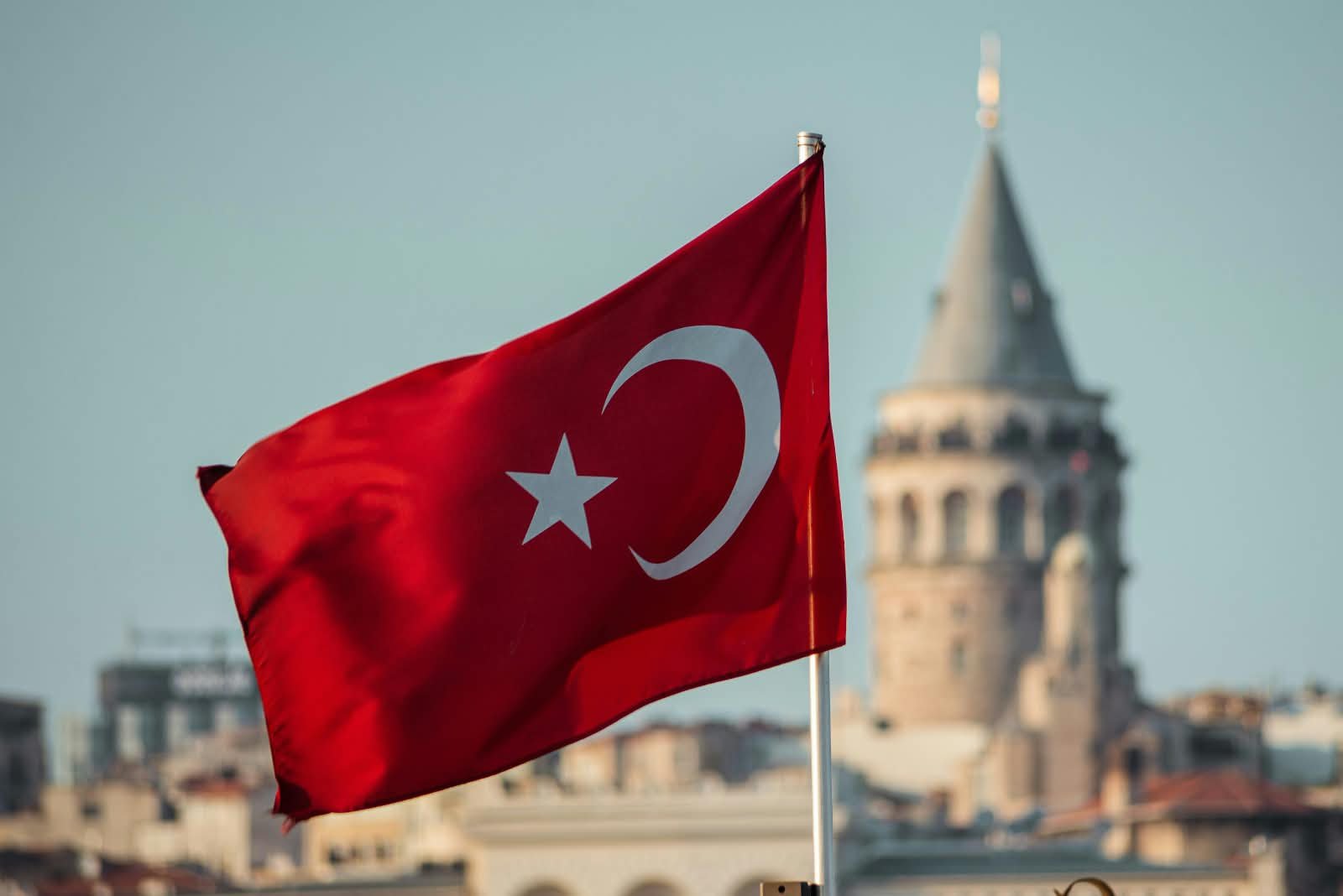
There’s a quiet but permanent shift happening across the Middle East right now. While the world’s attention keeps drifting to familiar battlefields, a more fundamental contest is brewing in the background: Israel and Turkey are slowly drifting toward a zero sum standoff. The old idea that Ankara and Jerusalem share some deeper strategic bond or are bound by NATO constraints? That’s gone. It’s been swept aside. Instead, President Erdogan is driving a new kind of Turkish assertiveness, rooted in neo Ottoman ambition and Sunni political Islam, that’s spreading all over the region. And that puts him and Israel directly at odds.

Look at Jerusalem. Israel’s approach has changed, too. Gone are the days of quietly maneuvering. Now, Netanyahu is moving aggressively off the defensive, even telling his Justice Ministry to draft a case against Erdogan at the International Criminal Court, accusing the Turkish president of targeting the Kurdish minority and supporting Hamas. Sure, neither country signed the Rome Statute, so this move isn’t really about winning a courtroom battle. It’s about signaling that Israel’s ready to use Turkey’s own internal fragility as a weapon against Ankara, just as Turkey has tried to do to Israel.

But this rivalry isn’t just confined to legal sparring. It’s playing out right now in four major arenas: Syria, the Eastern Mediterranean, the Palestinian territories, and even as far as the Red Sea corridor.

Syria is by far the hottest spot. Ankara’s thrown its weight behind a new Sunni led government in Damascus, pouring money and resources into rebuilding the Syrian military. To Israel, a Syrian force rebuilt and guided by Turkey spells real trouble, maybe an existential threat. So Israel keeps up its airstrikes, like that one on Abu Duhur Air Base, making it clear: it refuses to let Turkish backed air defense systems limit its freedom to act against threats. When Turkey’s top diplomat, Hakan Fidan, called Israel the main threat to Syrian stability, he wasn’t just speaking off the cuff. Both countries have boots on the ground in a fractured Syria, and their interests are on a collision course.

Then there’s the Eastern Mediterranean, where it’s all about territory and energy. Turkey’s 2019 maritime deal with Libya grabbed a big chunk of sea, slicing through Greek islands and ignoring international norms. This directly threatens Israeli Greek Cypriot efforts to develop natural gas fields and build a regional power link. Turkey has warned it’ll use its navy to block any “unauthorized” operations on what it claims as its continental shelf. Israel’s lifeline to Europe is at stake.

Inside Jerusalem and the West Bank, it’s more shadowy. Turkish intelligence is building up leverage through local networks. Hamas still runs key offices out of Istanbul, making Israeli security officials uneasy. Then there’s TIKA, Turkey’s development agency, which funds groups in East Jerusalem and the West Bank closely tied to Muslim Brotherhood circles. Turkey isn’t just supporting Palestinians from the sidelines anymore, it’s embedding itself deep in the issue.

And now, the contest has spilled into the Red Sea route and the Horn of Africa. In December 2025, Israel made a bold move, officially recognizing Somaliland and setting up a foothold at Bab el Mandeb, one of the world’s biggest trade chokepoints. Israel wants to counter Houthi attacks on shipping, maybe even plan a long term intelligence presence. Turkey, on the other hand, backs Somalia, trains its military, and opposes Somaliland’s autonomy. Both Israel and Turkey support rival factions in this vital sea lane.

But zoom out, and you see what’s really driving all this: structure. As America’s grip on the region loosens, others are filling the vacuum. Turkey is using Sunni political Islam to project influence, almost copying what Iran’s done with Shiite militias. Israel faces the prospect of a drawn out, multi layered confrontation with a NATO member that treats anti Zionism not as a talking point, but as an official doctrine.

This standoff didn’t start overnight. People saw it coming back when Erdogan’s AKP took power in 2004. Western analysts kept hoping Erdogan would be reined in by Turkey’s old secular elite or NATO ties. That was wishful thinking. Instead, the AKP gutted institutional checks, systematically shifted foreign policy, and started pushing this assertive neo Ottoman vision, blending Turkish nationalism with a pan Sunni agenda.

In this mindset, losing the Ottoman grip on the Levant, Mesopotamia, and North Africa wasn’t just bad luck. It was a mistake to be fixed. Erdogan frames Turkey as not just another NATO partner, but as the protector of Sunni Muslims everywhere the Ottomans once ruled. Hostility toward Israel? That’s not just electoral rhetoric, it’s central to Turkey’s self image.

The collapse of the old Middle Eastern state order sped things up. With Cairo, Damascus, and Baghdad weakened, a huge void opened up. Iran raced in with its Shiite militias, building its “Ring of Fire,” but Turkey followed with its own expansion, using Sunni proxy armies and direct military moves.

Northern Syria, northern Iraq, Libya, the South Caucasus, you can see Ankara’s hand everywhere. Military outposts, alliances with local fighters, and boots on the ground. Turkey projected power right up to Israel’s doorstep. As Iranian networks get battered, Turkey’s stepping in as the centerpiece of the region’s anti Israel front, adopting tactics Tehran once used.

For Israel, Turkey’s rise is a whole different headache compared to Iran or Hamas. Turkey’s in NATO, possesses strong military forces, a solid defense industry, links to Western security, and a navy that matters. Its drone industry is changing battlefields, and its sway in European energy circles gives it diplomatic muscle that rogue states can only dream of.

So Israeli defense leaders are in a bind: they need to counter Turkish advances and asymmetric gambits, but avoid an open fight with a NATO country that could unleash a wave of economic, political, and alliance crises.

In the end, this isn’t about two stubborn leaders. It’s about a structural rivalry, two dominant non Arab militaries, each fighting for the soul of the Middle East. As Israel tries to secure its place in the region, it has to face one brutal fact: Turkey’s ambitions threaten Israeli interests at the core.

Dealing with this means Israel needs a long term, multi pronged strategy: legal pressure, new alliances across the Mediterranean and Africa, and refusal to compromise on its vital interests. The time for hoping things will improve with Erdogan’s Turkey is over. Containment is the new reality.

Leave a Reply

Your email address will not be published. Required fields are marked *