
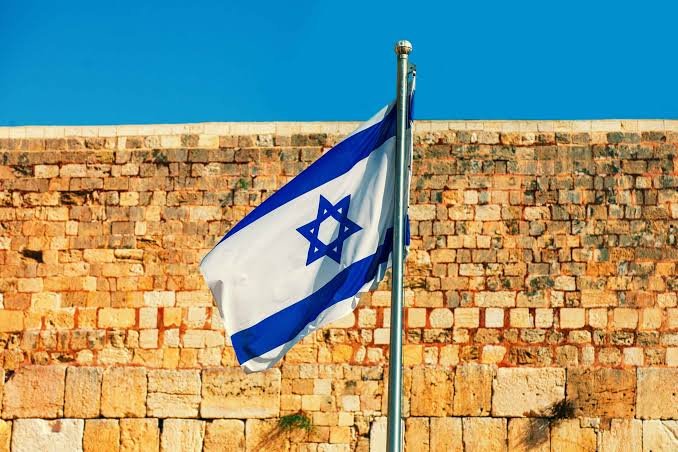
People love to talk about Benjamin Netanyahu, but most of the noise isn’t really about him, it’s about what he stands for. If you read Western editorials, flip through reports from progressive think tanks, or eavesdrop in diplomatic hallways, you get the same story: Netanyahu’s portrayed as the single obstacle to peace in the Middle East. They blame him for regional chaos, accuse him of playing superpowers against each other, and make him out to be an international renegade. Still, all this outrage points to something much bigger. Targeting Netanyahu is ultimately about trying to break down Israel’s core approach to defense, its reliance on military strength, strategic territory, and freedom to act without outside permission.
For a long time, the world’s approach to the Arab Israeli conflict followed a predictable playbook, it really set in after the Cold War. The theory was simple and, honestly, kind of utopian: just trade a bit of land for peace promises and everything will calm down. That was the Oslo mindset. Supporters argued that modern advances, missiles, drones, precision tech, made old fashioned ideas about holding land irrelevant. Who needs physical buffers when you can just sign agreements? Strategic depth became a punchline, something people dismissed as old tank warfare that belonged to dusty history books.
That fantasy fell apart. The kind of warfare Israel faces now, think missiles and drones launched in seconds, not hours, proves that terrain and physical buffers matter more than ever. If your enemy can hide rockets inside crowded neighborhoods next door, shrinking your borders just hands them an advantage. No international treaty or guarantee will make you safe if your civilians live next to an armed enclave.
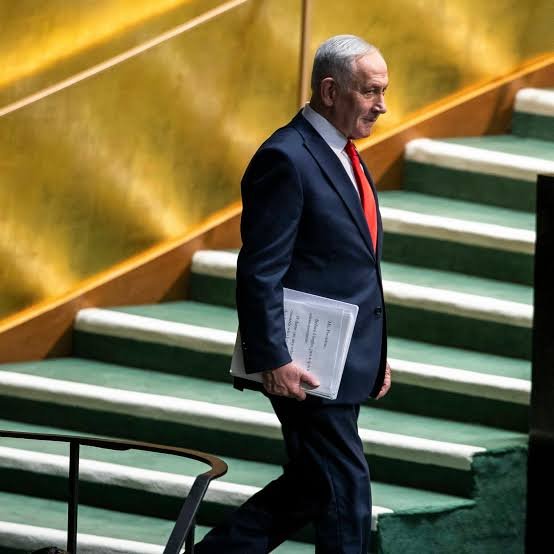
The shock of October 7, 2023, made that mistake painfully obvious. It wasn’t just that Israel’s southern defenses got breached, it was that Israel, under Netanyahu, didn’t follow the expected script. The international crowd assumed Israel would respond with restraint, accept mediation, and get back to peace talks. But instead, Israel ramped up a relentless, multi front campaign. No half measures, no waiting around for permission, just survival first, reputation second.
This approach upended years of international efforts to nudge Israel into piecemeal concessions. Netanyahu refuses to play along with the idea that Israel should quietly absorb losses just to keep the world happy. That makes him the main villain to those who think compromise is the only way forward.
That’s also why Israeli politics draw so much outside pressure. You see foreign money pouring into activism and media inside Israel. Commentators and officials from abroad openly root against Netanyahu. The calculation is pretty straightforward: get rid of the one leader who won’t bend, and Israel’s whole approach to security will soften.
But there’s a major flaw in that plan: the Israeli public isn’t just following one stubborn politician, they’re responding to decades of lived experience. After years of rocket attacks, broken deals, and bitter lessons, most Israelis agree on the basics, no matter who’s in charge. The huge jump in defense spending proves it. The 2026 defense budget set a new record, with 143 billion shekels dedicated to security, an amount that drew support across the political map. Whether Likud, opposition, or center left, everyone backs the main security planks: hold the Jordan Valley, keep freedom to act in neighboring territory, and never let a hostile mini state pop up on the border.
Anyone saying everything hinges on Netanyahu ignores how deeply these ideas are rooted in Israeli society. Recent history shattered the illusion that a bit of economic cooperation or diplomatic normalization would get Israel’s enemies to stand down. The urge for security is baked into the national psyche now.
Western diplomats who imagine that a post Netanyahu Israel will just welcome foreign peacekeepers or sign away its security clearly don’t get what Israelis have lived through. Pulling out of Gaza in 2005 didn’t create peace, it created an entrenched terror enclave. Abandoning southern Lebanon in 2000 paved the way for a heavily armed militia throwing rockets over the fence. These aren’t distant memories; they shape every decision going forward, no matter who’s in office.
Plus, most outside critics miss how threats to Israel have changed. The region runs on shadow wars, proxies, and disruption, not old school army clashes. Betting on foreign guarantees is a losing game. Israel’s always survived by relying on itself. Self reliance, something Netanyahu talks about constantly, isn’t just his personal brand, it’s at the heart of Zionism and Israeli statehood.
So the idea that swapping prime ministers will suddenly turn Israel into a country willing to hand over its defenses is just wrong. Outsiders keep underestimating that Israel’s security approach comes from geography, hard realities, and national memory, not one politician’s ego. The faces in government will change, but the essentials will stick: control your own destiny, keep your borders defensible, and don’t hand off your security, no matter the international pressure. That’s the Israeli consensus, and it isn’t going away anytime soon.