
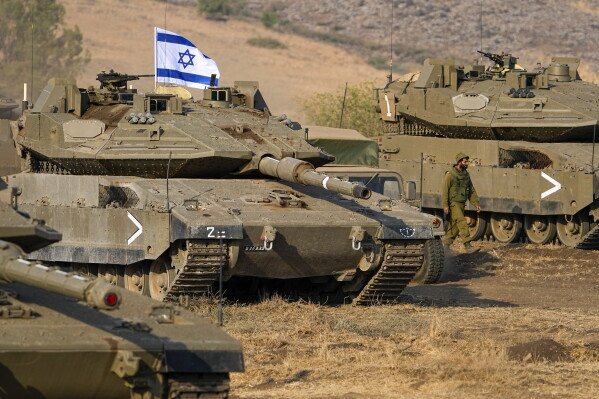
The Israel’s reserve system has traditionally been considered the bedrock of the nation’s defense strategy. However, after almost two years of operating in a protracted multi-dimensional security situation, there are signs of structural fatigue in this bedrock. The most recent public discussion, which includes demands to increase the number of reservists by up to 280,000 until 2026, reveals a far graver truth: Israel finds itself utilizing a system designed for brief wars to carry out a protracted strategic mission. It is not just an operational issue anymore, the question becomes a national one.
The reliance on reserve forces is not new. Since Israel’s establishment, the Israel Defense Forces (IDF) has depended on a citizen-soldier model, built on rapid mobilization and societal cohesion. Historically, reserve service accounted for limited annual cycles, often averaging a few weeks per year for most soldiers. However, since the escalation following October 7, 2023, the scale and duration of reserve mobilization have expanded dramatically, with hundreds of thousands of Israelis reportedly serving multiple rotations exceeding 200-300 days cumulatively in some cases. This represents a qualitative shift in the burden-sharing model.
The need for this becomes obvious. Today, the environment in which Israel must operate comprises several theaters: operations in Gaza, the presence of threats in Lebanon by virtue of Hezbollah, as well as sporadic escalations with groups supported by Iran within Syria and Iraq. Besides, Iran has come even closer to being in a position where it directly confronts Israel as compared to the past few decades. Therefore, there exists a need for continued manpower in all aspects of operations including combat, air defense, intelligence gathering, cyber defense, logistical support, and territorial defense.
But the structural model supporting this force was never designed for sustained attrition at this scale. Israel’s reserve system was historically calibrated for short mobilization peaks, often during conventional wars lasting days or weeks, not multi-year cycles of intermittent but continuous deployment. As a result, the strain is increasingly shifting from the battlefield to the home front.
From an economic perspective, there are considerable ramifications. Time and again, the Bank of Israel and fiscal experts have cautioned that continued mobilization comes at a price, since it affects the workforce negatively through lower productivity and adverse effects on small- and medium-size enterprises. The exact numbers vary, but initial estimates based on 2024-2025 figures suggested a cumulative cost of billions of shekels considering lost workdays, expenses incurred during emergencies, and compensations paid. The effects vary between groups, with professionals, technology employees, and entrepreneurs taking a hit that is greater than that sustained by salaried workers employed in big businesses.
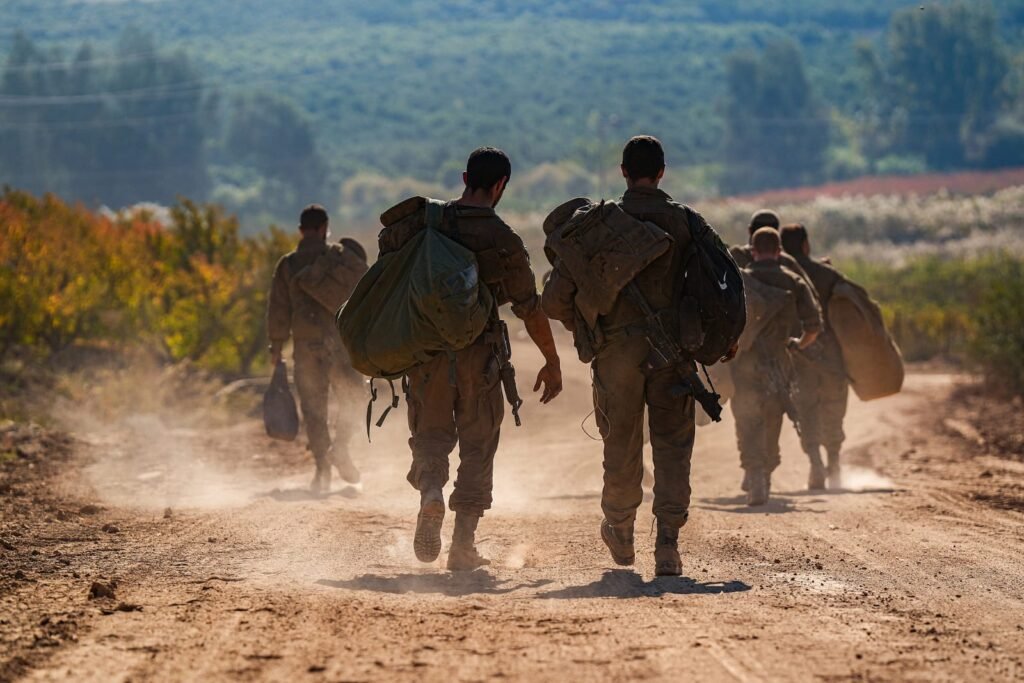
Socially too, the strain is evident. The high-tech industry in Israel accounts for some 18-20% of GDP and more than 50% of exports in recent years. It needs skilled workers who also have to attend mandatory drills in special reserves. Absences affect production schedules and cause uncertainty about investments. Likewise, the family suffers from uncertainty over long periods of time, including child-care and schooling.
Policy responses so far have been largely reactive. Compensation packages, tax relief measures, and employer subsidies have been introduced in phases since late 2023. However, critics argue these mechanisms remain fragmented and insufficient for a prolonged operational reality. The core issue is not only financial compensation, but predictability. Reservists and employers alike require long-term frameworks that treat reserve service as a structural pillar of national planning rather than an exceptional disruption.
Experience from comparative perspective has lessons for caution. Nations which have extensively depended on their reservists and conscripts, such as South Korea and Finland, have done much in putting in place mechanisms that protect against burnout through measures like rotating effectively, coordination between the employers/states, and set limits on the duration of service. The case with Israel, however, is different.
Strategically, the consequences are not limited to the national economy alone. Over time, continuous stress on reserves can start to impact readiness, recruitment, and morale in the high-profile force structure. Even a nation as driven as Israel will start to experience ‘quiet attrition’, reduced availability, relocation abroad, and greater stress on the permanent force.In terms of policy, Israel currently confronts a very tough balancing act.
While its strategic environment necessitates sustained preparedness and adaptability, at the same time the country’s economy and society require the expectation of mass mobilization to be episodic, rather than systemic. This problem will take more than tinkering to resolve. Indeed, it might even call into question the reserve system itself.
Ultimately, the reserve force remains one of Israel’s most powerful strategic assets. But like any asset, its value depends on sustainability. If the current trajectory continues without structural adaptation, Israel may find itself in a paradoxical position: militarily capable in the short term, but increasingly strained in the long term