
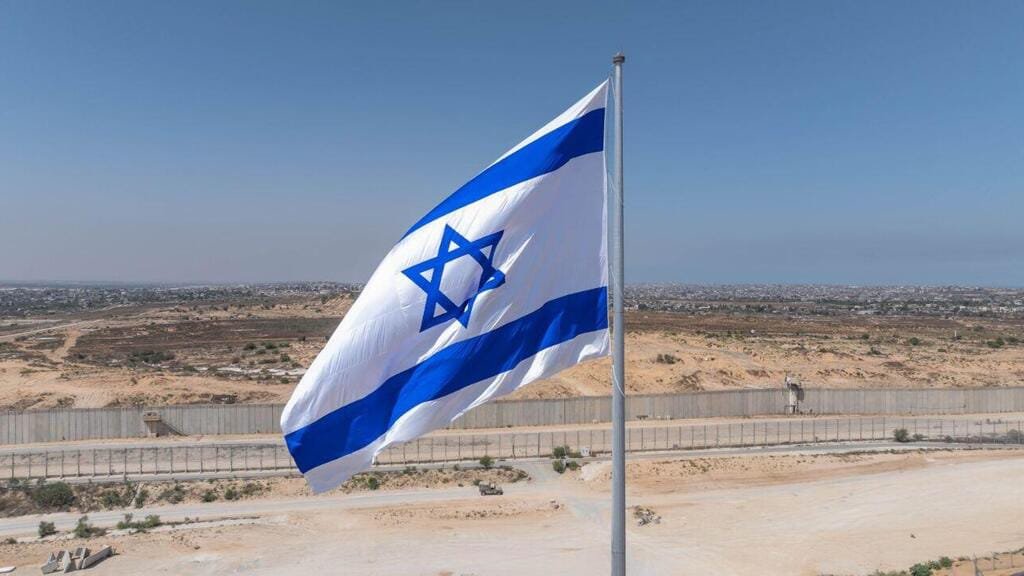
The Gap Between Israel’s Power and Its Diplomacy
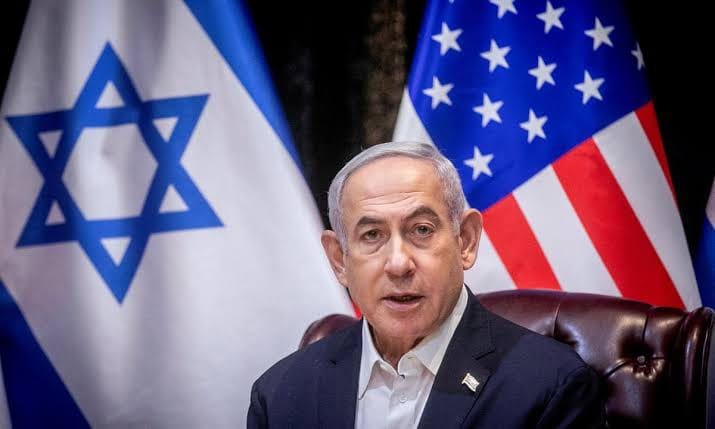
Right now, Israel stands at a strange crossroads. On one hand, its military has pulled off unmatched feats over three years of constant, multi front conflict. On the other, Israel’s become more isolated on the world stage than it’s been in decades. The split is glaring. Picture Prime Minister Benjamin Netanyahu landing in New York for the UN General Assembly. Israel’s army racks up tactical wins, dismantles terror networks, and flexes its power from Lebanon to the Mediterranean. Logically, countries would be queuing up, desperate to collaborate. Instead, Netanyahu gets a chilly reception. President Trump won’t meet him. He’s not even trying to hide it Trump would rather chat with Iranian officials than shake hands with Netanyahu in Manhattan. That snub sums up the new reality: Israel, once solidly backed by its friends, is now politically radioactive, even to its oldest allies.
This isn’t just a diplomatic hiccup either. What’s happening in Washington reflects a deeper shift in American attitudes and culture. Negative views of Israel aren’t just stuck in activist newsletters or college seminars anymore they’re front and center in mainstream politics. Just look at the rise of loud, anti Zionist voices like New York’s Mayor Zohran Mamdani. The fact that major U.S. city leaders brand Israel as an illegitimate state and call for divestment is a clear sign: The long standing pro Israel consensus in America is unraveling fast. Poll after poll shows sympathy for Israel slipping, especially among younger Americans and progressives. Politicians pay attention to those groups. When their support drops, Washington listens.
Losing that goodwill isn’t just about bad optics or PR mishaps it strikes at Israel’s strategic core. The country is a crucial partner for the West, for its neighbors, and honestly for anyone trying to manage the mess that is today’s world. European leaders have Russia threatening their borders, a growing Iran Russia power axis, and waves of migration all fueling political headaches. In the Middle East, states like Saudi Arabia and Egypt are buckling under economic strain, warding off Houthi militants in the Red Sea, and dealing with Turkish muscle flexing around the Mediterranean. In all of this chaos, Israeli tech its intelligence, missile defense, and naval might aren’t just showpieces; they’re lifesavers.
Take the arrival of the INS Drakon, for example. This new Dolphin class submarine is the most advanced, and expensive, piece of hardware the Israeli navy’s ever fielded. It boosts Israel’s reach, lets it gather intel, and amplifies its deterrent power from the Eastern Mediterranean all the way out to circle four. That kind of asset should knit Israel closer to neighbors like Greece, Cyprus, Egypt, and maybe even Italy. It sets up Israel as a key counterweight against Turkish or other maritime threats. But honestly, none of these high tech moves matter if Israel lacks a real diplomatic game. Fancy submarines don’t pick up the phone when foreign capitals stop calling.
So how did it get here? At the root, Israel’s problems boil down to bad governance and a lack of strategic vision. The country’s juggling massive security threats, yet the diplomatic corps has been left adrift. Key posts are filled by political hacks people with little sense of strategy or history. When leadership gets more interested in domestic power plays than in steady foreign policy, Israel loses leverage. Tactical wins on the battlefield aren’t converted into lasting alliances. Instead, top partners back away, worried about the backlash they’ll face at home for staying too close to Jerusalem.
That power vacuum leaves space for hostile voices to shape global narratives. While Israel’s military brass is head down, focused on beating enemies in Gaza or Lebanon, it’s losing out in the arena of world opinion. All the world sees are soundbites from Israeli ministers, often inflammatory and tone deaf, and no clear vision for what comes after the bullets stop flying. Western leaders feel the pressure. With nothing positive to point to, they find it harder to justify standing by Israel. The refusal to meet Israeli officials at the UN isn’t just a snub it’s the direct result of Jerusalem not putting forth any credible diplomatic roadmap.
This isn’t fixable with more arms sales to Europe or linking up yet again with Greece and Cyprus at sea. The threats in the region are bigger and more tangled than that. There’s the constant tension in the Strait of Hormuz, Iran’s race for nuclear capability, and the confrontation between Saudi Arabia and the Houthis. Israel shouldn’t just be reacting; it should help shape a collective regional strategy. With a skilled foreign policy team leading the way and framing Israel’s security role as part of global stability you can bet world leaders would be crowding around Netanyahu at his hotel, eager for a meeting.
To turn things around, Israel has to do more than just win on the battlefield. The country needs to pair its military success with a diplomatic reboot. Tactical victories are pointless if nobody wants to do business with you. If Jerusalem can’t rise to this challenge can’t show it’s more than just a country stuck in endless conflict it risks squandering everything its soldiers have fought for. The world needs to see Israel acting not just as a fortress, but as a builder of regional peace. That means fixing its diplomacy from the ground up, changing how Israeli leaders engage on the world stage, and seriously repairing its strained alliances. Without that shift, Israel’s military brilliance will keep shining in the dark, seen by fewer and fewer friends.