
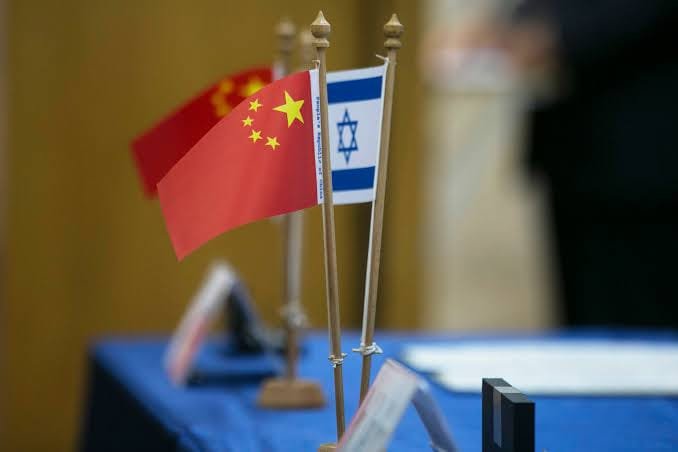
China isn’t just courting the Middle East for the sake of business anymore; it’s changing the balance of power across Asia, and Israel is right in the crosshairs. For years, Israel played a savvy game: building quiet, crucial security and intelligence ties with democracies like India, reaping the benefits of trade with China, and keeping everyone more or less onside. It worked until Beijing decided to rebrand itself as the voice of the Global South and ramped up its economic support for Israel’s bitterest opponents in the region. That era of comfortable ambiguity is over. Now we’re witnessing a different game, with much higher stakes.
Look at what China’s doing: mediating regional deals (sometimes overshadowing Washington entirely), propping up Iran with easy cash, and consistently taking the Palestinian side at major summits such as BRICS and the UN. Beijing has forced Asian capitals to make hard choices: support Israel openly and risk losing access to China’s markets, or hedge their bets and keep Jerusalem at arm’s length. There’s no middle ground.
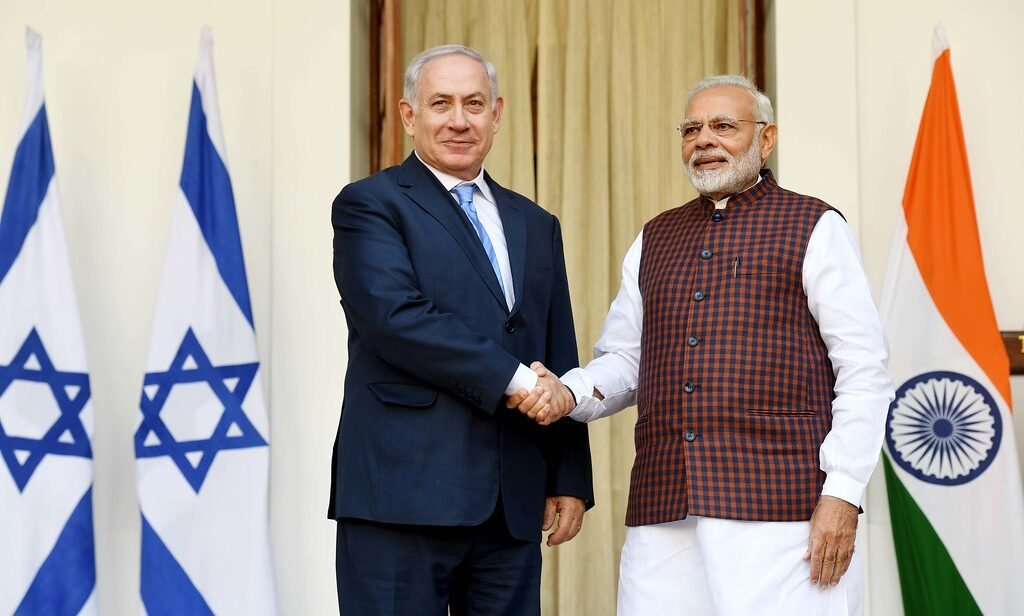
You see this play out most dramatically in the relationship between Israel and India. India buys more Israeli defense tech than any other country and leans on Israeli intelligence to keep its own house safe. But as China cements itself along the Persian Gulf, even New Delhi can’t play both sides much longer. There’s this huge project, the IMEC corridor, that’s supposed to run through Haifa, set up as a Western answer to China’s Belt and Road. It’s meant to tie India, the Gulf, and Europe closer together, with Israel at the center. The problem is, if China takes charge in the Gulf, India has to watch its energy supplies, and Beijing can stymie projects that get in its way. So, Israel’s most reliable Asian friend finds itself quietly condemning our military operations just to keep the oil flowing. And even though backchannel defense cooperation between Jerusalem and New Delhi is alive and well, we can forget about any public Indian support when Israel needs it most.
This isn’t just about India. Japan, South Korea, and their Southeast Asian neighbors are feeling the squeeze too. Their economies depend on a steady stream of oil and gas from the Gulf. If those supply lines get compromised, or even if the perception of risk goes up, life gets very complicated. As China embeds itself as the broker and power player in the region, Tokyo and Seoul are forced to reconsider anything that might look like open alignment with Israel. They’re scared Beijing might shut them out, or worse, threaten their energy security.
Meanwhile, the U.S. is pushing Israel to cut China out of our tech sector, so the whole foundation of Israel’s tech first diplomacy in Asia is crumbling. China’s response? They’re using their clout in Southeast Asia to push state backed Chinese defense, cyber, and agri tech firms into the slot Israel used to occupy. We’re getting boxed out.
At the root of all this is China’s strategy to own the critical infrastructure, including ports, logistics, and shipping lanes, tying Asia, the Middle East, and Europe together. Beijing didn’t pour money into Mediterranean and Indian Ocean ports for fun. It’s about leverage. Every time an Asian country needs to move goods, they’re at the mercy of Chinese run terminals and shipping. Nobody wants to rock the boat, so most capitals keep their heads down rather than risk angering Beijing by siding publicly with Israel. This is about hard infrastructure as much as it’s about politics.
Israel, for its part, hoped the Abraham Accords would do the opposite: build a web of normalization and trust, foster trade and security pacts stretching from the Gulf into the Indo Pacific, and give Israeli innovation a starring regional role. But China’s alternative model is working. Gulf states see Beijing as an attractive partner because China won’t lecture them on rights or governance, and offers big money with no strings attached. Why stake their future on Israeli tech or U.S. arms when China can give them both markets and mediation?
This isn’t just an idea problem. When Beijing funds Iran, it empowers adversaries who destabilize the very Asian supply chains everyone depends on. China props up Iran financially, and at the same time, lectures the world about regional stability. Asian democracies like Japan and South Korea know Israeli tech and intelligence are potent assets against terrorism and proliferation. They’d like to have those tools. But no one is willing to pay the price of open partnership with Israel if it means risking Beijing’s economic wrath.
So where does that leave us? China’s endgame is clear: undermine America and make life harder for Washington’s allies. Israel can’t ignore this shift. The old approach, quiet, transactional partnerships, is dead. We need to recalculate, fast. If we want to keep our friends in Asia, we have to offer them something they can’t get anywhere else: top tier tech, real operational value, rock solid supply chain security, all of it tightly integrated. Only that can give our partners what they need, without leaving them too exposed to China’s economic pressure or diplomatic muscle. This is a long chess game, and Israel is going to have to learn a new set of moves.