
For years, the bond between Israel and the Jewish Diaspora has run along the same worn tracks. Whenever there’s a crisis, maybe rockets over Jerusalem, maybe diplomatic drama, antisemitism flares up around the world. The response is automatic: local communities hold solidarity rallies, scramble up emergency fundraising, and send delegations to make their case in Washington, London, or Ottawa. At the same time, there’s always a chorus of critics, especially in the U.S. and Western Europe, who say Israel’s policies are making life more dangerous for Jews outside the country. The catch? These critics have no real power over what happens in the Knesset. They can shout, organize, and protest, but they don’t get a vote on the government that shapes things in Jerusalem.
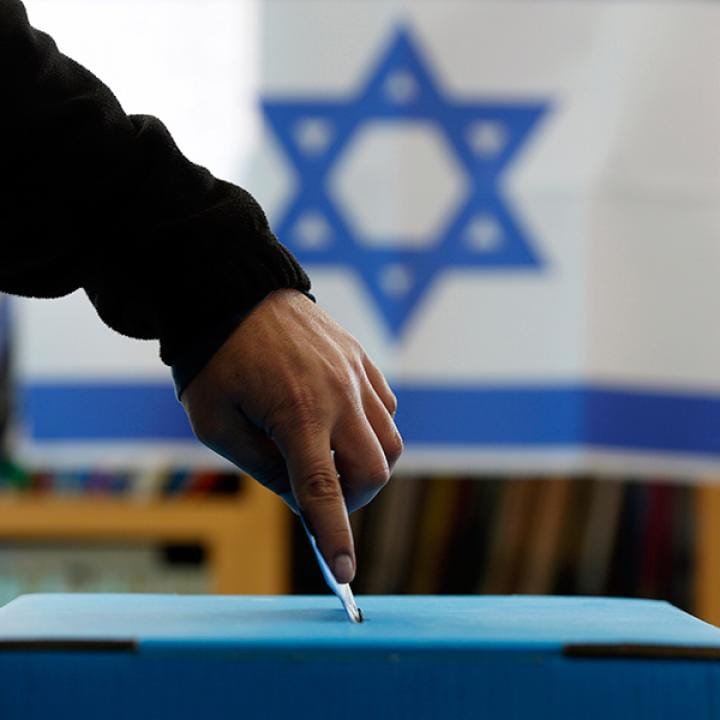
But here’s what that familiar dance keeps missing, a strange, singular legal and political fact. Israel’s Law of Return changes the equation. Any Jew in New York, Paris, London, or Toronto has something no other Diaspora population enjoys: a direct lever. They can step onto a plane, touchdown at Ben Gurion, get instant citizenship, and cast a ballot. No waiting, no complicated pathways, just immediate involvement.
So, if Jewish communities abroad are truly convinced that Israeli government decisions are fueling antisemitism against them, complaining from the sidelines doesn’t cut it. If they genuinely want to steer the ship, the most straightforward method isn’t more fundraising or better lobbying. It’s changing the electorate itself, moving to Israel and voting. In other words, it means embracing a deliberate, widespread wave of Western Aliyah aimed at reshaping Israeli society and politics from within.

This “altruistic Aliyah” isn’t about seeking a safer life or a better job. It asks people to give up their comfort, their familiar routines, and maybe their careers for a bigger goal: changing Israeli policy by changing who’s voting. It’s an act of public service, not personal escape. Western Jews who make this move would bring their votes and, just as important, their values into the voting booth, values rooted in democracy, checks and balances, civil liberties, and a wider embrace of religious diversity.
History shows real shifts can happen this way. In the 1990s, after the Soviet Union fell apart, over a million Jews from Russia, Ukraine, and elsewhere made Aliyah. Their arrival changed everything. By 1996, the Yisrael BaAliyah party, led by and for these newcomers, had claimed seven seats in the Knesset. The country’s whole political map shifted, in just a few years, because a massive group of immigrants became voters. Their motives were mostly about rebuilding lives, not strategizing, but the outcome was clear: demographics move politics, fast.
Now imagine a mass, purposeful Aliyah from the West. Western Jews, raised on the principles of pluralism, civil rights, and strong rule of law, arrive and head to the polls. The numbers don’t have to be enormous. In Israel’s parliament of 120 seats, every Knesset mandate depends on maybe thirty five to forty thousand votes. A hundred thousand new Western voters arriving in the next election cycle? That’s easily three, maybe four seats. And that’s enough to tip a government or decide which coalitions hold power, especially in Israel, where a single seat can make or break a government. According to Aliyah stats, interest from the West is rising fast anyway: 28,000 applications opened in just one year, many from France, the UK, or North America. That’s not a trickle, it’s the start of a wave.
With a solid bloc of Western Olim, big policy debates get new energy. Civil marriage, recognition of non Orthodox conversions, hardwired protections for democracy, these aren’t theoretical anymore; they become possible. And if Israeli policy shifts a little closer to what Western democracies expect, it has ripple effects globally. It becomes a lot harder for extremists to use Israel as a pretext for antisemitic attacks in Paris or London.
There’s a sharp irony here. The people who actually make Aliyah, who sell their homes, learn Hebrew, pay taxes in shekels, serve in the army if needed, they shoulder all the costs. The real benefit, though, might go to those who stay put, Jews in the Diaspora who never set foot in Israel but live in a calmer climate because things improved back in Jerusalem.
Still, if modern Zionism is going to keep evolving, maybe this is what comes next. In the past, Aliyah mostly happened because people didn’t have a choice, they were fleeing pogroms or being expelled from Arab lands. Now, Western Jews have options. Choosing to move to Israel isn’t about running away anymore; it’s about stepping up, about influencing history instead of watching from the sidelines.
So maybe it’s time to rethink Aliyah altogether. Instead of treating it as a lifeboat from rising hostility, why not make it a tool for change? If Diaspora leaders and communities want an Israel that mirrors their values and protects Jewish life everywhere, the solution isn’t lobbying or issuing press releases. The answer is right there, on the plane to Ben Gurion, in the paperwork for Israeli citizenship, and, ultimately, in the ballot boxes of Tel Aviv and Jerusalem.