Strategic Analysis | The Tripartite Axis of Saudi Arabia, Turkey, and Pakistan and Its Geopolitical Implications
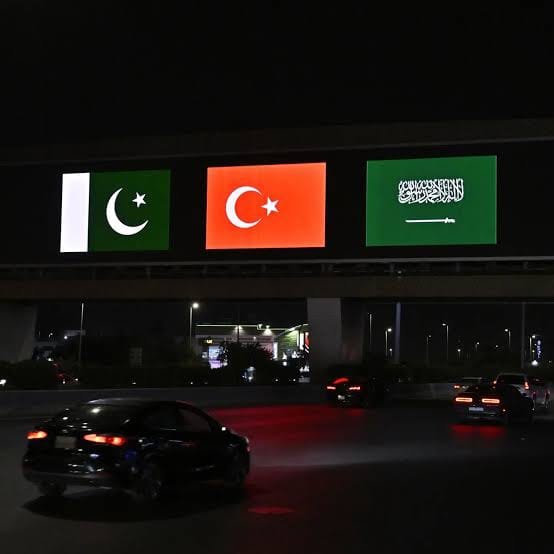
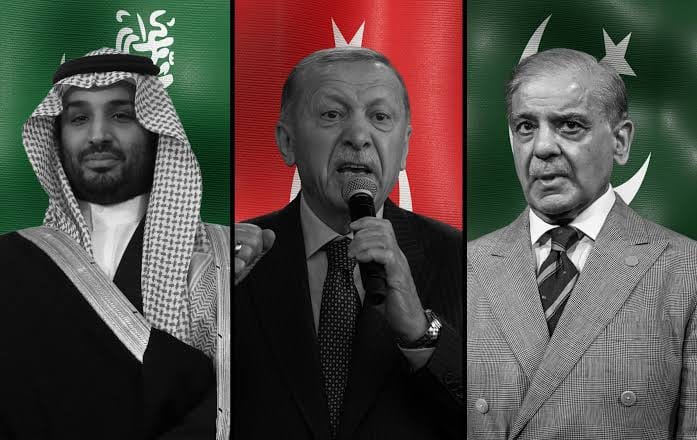
The signing of the Mecca Joint Defense Agreement on August 7, 2026 represents a fundamental, permanent restructuring of the Middle East’s geopolitical architecture. By formalizing a strategic axis between Saudi Arabia, Turkey, and Pakistan, the pact goes well beyond traditional bilateral defense arrangements, creating a tripartite framework built explicitly around collective deterrence. This development follows years of deepening security integration, most notably the Saudi-Pakistani pact from September 2025, and functions as a definitive response to a period of unprecedented regional volatility that’s left many traditional security frameworks looking outdated or simply insufficient.
The core provision of the agreement, which states that an armed attack against any one member counts as an attack against all, has drawn inevitable, if somewhat nuanced, comparisons to NATO’s collective defense mechanisms. While the signatories operate in distinct geopolitical theaters, the Mecca Pact functions as a primary mechanism for rapid consultation, regional coordination, and shared security posture. It reflects a pragmatism born out of necessity. For Riyadh, the limitations of Western security guarantees during the persistent escalations of 2025 and 2026 underscored the urgent need for a robust regional alternative that doesn’t depend on outside powers for its core stability.
1. Industrial and Military Synergy
This alliance is anchored by a genuinely deep military and industrial synergy between Turkey and Pakistan. Ankara has solidified its role as a premier supplier of high-end defense technology to Islamabad, a relationship visible in multi-billion-dollar naval contracts for MILGEM-class warships and joint ventures in sophisticated drone development and fighter jet modernization. When this industrial backbone gets leveraged alongside Saudi Arabia’s financial and energy resources, the bloc gains the capacity to project influence with a degree of autonomy rarely seen in modern regional history. Combining these capabilities turns the pact from a symbolic agreement into a functional military entity capable of actually shifting the regional balance of power.
Strategic Assessment for Jerusalem: For Jerusalem, the crystallization of this conservative Sunni bloc introduces a genuinely complex array of security challenges that demand immediate, rigorous analysis. The member states maintain a deeply adversarial rhetorical posture toward Israel, and when that’s paired with the tangible support regional players provide to militant groups, it moves quickly from political theater into operational reality. Defense planners in Israel now have to contend with an environment where traditional deterrence models are being tested by a coalition holding both significant conventional military capability and a high level of ideological cohesion. This shift isn’t merely additive. It represents a real, qualitative change in the regional security environment.
2. Ideological Cohesion and the Syrian Landscape
The Mecca Pact also functions as something like an ideological crescent, using Islamic solidarity as its unifying glue. The focus on shared historical and religious symbols, particularly around the status of Jerusalem, provides a powerful rallying cry capable of bridging the diverse political and sectarian divisions that have historically plagued the region. As history has shown, symbolic movements like this rarely stay purely ideological. They frequently evolve into structured military and political objectives, demanding a proactive, multifaceted response from regional powers finding themselves outside this new alignment. The symbolic weight behind these shared narratives acts as a genuine force multiplier for the bloc’s broader political objectives.
Perhaps the most acute strategic test for Israel lies in the transformation of the Syrian landscape. Under President Ahmed al-Sharaa, Syria has shifted toward ideological alignment with Turkey and Qatar. With Ankara reportedly helping restructure Syria’s armed forces, the northern front of Israel’s strategic environment has become significantly more volatile. This suggests the era of a relatively predictable, if strained, status quo in the Levant is effectively over, replaced by a climate defined by long-term military preparation and structural regional shifts. The alignment of a new Syrian administration with the Mecca signatories creates a contiguous zone of cooperation that directly challenges the strategic buffer zones Israel has relied on.
3. Regional Self-Reliance vs. External Power Reliance
This alliance also highlights a broader shift in how regional powers are navigating the volatility of the current global order. Facing an intense, ongoing conflict involving Iran, Israel, and various outside actors, the architects of the Mecca agreement have opted for a policy of regional self-reliance instead. By aligning their security interests, these nations are signaling to Washington and other global players that they can maintain alternative partnerships and protect their own interests independently. That’s a real departure from the previous decade’s reliance on outside powers to mediate or contain localized conflicts.
4. Key Operational and Strategic Implications
As the permanent secretariat in Saudi Arabia begins operationalizing the pact, its influence will manifest across several key dimensions:
1. Defense Procurement & Technological Integration: Leveraging Turkish defense-industrial capabilities alongside Saudi capital to build localized weapons development and naval power.
2. Collective Deterrence & Crisis Diplomacy: Establishing rapid consultation mechanisms that function akin to a regional NATO, reducing dependence on Western security guarantees.
3. Contiguous Northern Front Alignment: Expanding influence into the Levant through Syria’s restructured defense apparatus under Ahmed al-Sharaa, directly challenging Israel’s strategic buffer zones.
For Jerusalem, the emergence of this heavily armed, ideologically motivated bloc, operating alongside a persistent Iranian threat, calls for a cold, analytical reassessment of its own security posture. The Mecca Pact isn’t merely a diplomatic milestone. It’s the manifestation of a new, high-stakes era in Middle Eastern strategy, one where old alliances are being supplemented, and in some cases supplanted, by a rising, localized order. Whether this pact ultimately succeeds is going to depend on how well these three nations keep their industrial and military objectives aligned over time, but the initial framework already provides a durable foundation for long-term influence.