An Analysis of Municipal Shifts and Foreign Policy Preemption
1. The Municipal Challenge to Foreign Policy
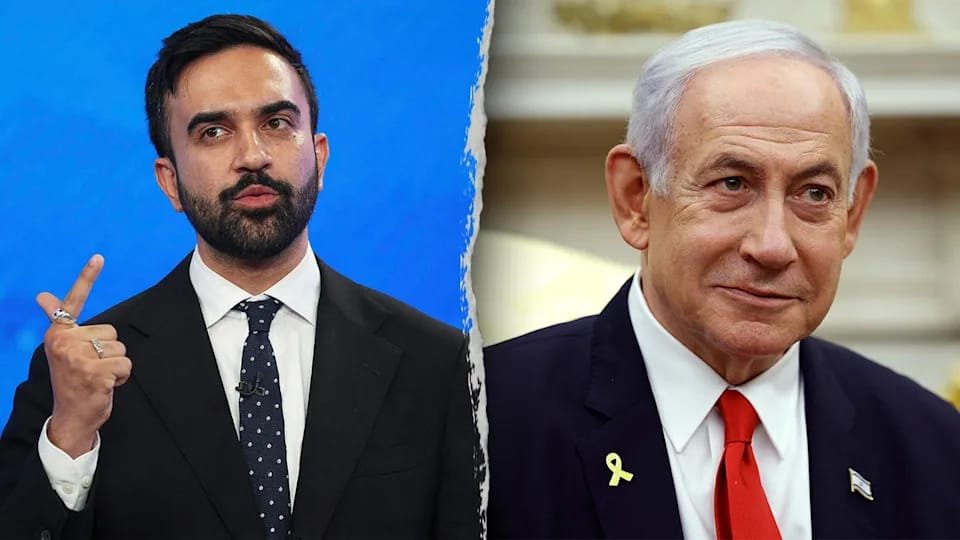
The spectacle of a municipal leader attempting to dictate international law would once have been dismissed as pure farce. New York City Mayor Zohran Mamdani recently sent shockwaves through the diplomatic corridor by announcing that his administration is actively exploring the legal mechanisms required to arrest Prime Minister Benjamin Netanyahu during his upcoming visit to the United Nations General Assembly in September. The progressive mayor openly declared that Netanyahu belongs in The Hague, claiming a duty to act in accordance with the International Criminal Court. While the threat itself lacks any genuine legal legs, the political theater surrounding it signals a deeper, structural shift in American politics that Jerusalem cannot afford to ignore.
2. Constitutional Reality and Federal Preemption
From a purely constitutional standpoint, the mayor’s grandstanding is hollow. The United States is not a party to the Rome Statute. The federal government has consistently rejected the jurisdiction of the International Criminal Court over non-member states and allies. More importantly, foreign policy and the reception of international dignitaries under the UN Headquarters Agreement fall exclusively under federal purview. A local police department has no authority to execute international warrants against a visiting foreign head of state who enjoys sovereign immunity. Mamdani himself acknowledged this ambiguity, noting that he is consulting with the city law department to see what the law allows. The answer from his city attorneys will inevitably be a firm reminder of federal preemption.
3. The Realignment of Gracie Mansion
Yet, treating this episode merely as a legal absurdity misses the point entirely. The true significance lies in the political identity of the man occupying Gracie Mansion. Mamdani, a prominent member of the Democratic Socialists of America, represents a dramatic realignment within the Democratic party structure in New York. His ascension to the mayoralty proved that the progressive, anti-Zionist flank is no longer confined to activist fringes or isolated congressional districts. It now commands the executive machinery of America’s largest city and the financial capital of the world. For decades, New York mayors were reliably pro-Israel, viewing the relationship as a foundational element of local governance. That consensus has officially shattered.
4. Rhetorical Warfare and Local Feuds
Jerusalem’s response to this provocation was swift and predictably combative. Appearing on American talk radio, Netanyahu dismissed the threat and aggressively turned the tables on the mayor. The prime minister accused Mamdani of championing Hamas and harboring a secret hatred for America itself. By framing the conflict as a choice between Israeli democracy and radical terrorism, Netanyahu sought to rally his traditional base of support among conservative Americans and mainstream centrist Democrats. Israel’s UN Ambassador Danny Danon struck a similarly defiant chord, asserting that Netanyahu would address the General Assembly with pride and that the mayor’s rhetoric only serves to inflame local antisemitism.This rhetorical warfare highlights a classic political dynamic. For Netanyahu, a public feud with a far-left American mayor provides an easy domestic talking point. It reinforces his narrative as a lonely defender of the Jewish state against global hostility. For Mamdani, threatening to arrest the Israeli prime minister caters directly to the progressive base that carried him to victory, deflecting scrutiny from the mounting challenges of running a complex metropolis. Both leaders gain short-term political capital from the confrontation.
5. The New Frontier of Delegitimization
However, the long-term implications for Israel are far more troubling than temporary political theater. The weaponization of municipal platforms to contest international conflicts represents a new frontier in the delegitimization campaign against Israel. When local leaders contemplate using domestic police forces to enforce contested international warrants, they normalize the idea that Israel is a rogue state operating outside the bounds of civilized norms. This creates an environment where routine diplomatic engagement becomes fraught with logistical and security risks.
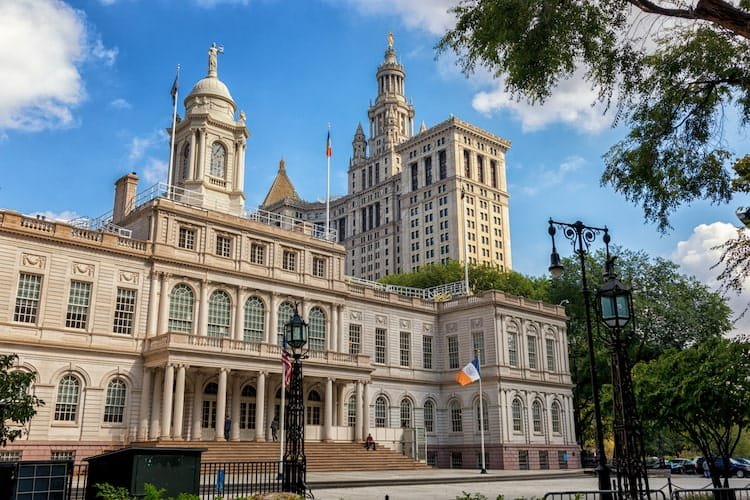
6. The Federal Shield and Shifting PoliticsThe immediate saving grace for Israel is the current alignment of the federal government in Washington. The Trump administration has maintained a fiercely hostile posture toward the International Criminal Court, even leveraging sanctions against tribunal officials to deter actions against American citizens and allies. The White House will almost certainly intervene to ensure the safety and diplomatic immunity of the Israeli delegation during the United Nations summit. Federal authorities possess the leverage and the legal supremacy to overrule any rogue action contemplated by City Hall.
Nevertheless, Israel must look beyond the immediate political horizon. Federal protection is a reliable shield today, but it depends heavily on the shifting winds of American presidential elections. If municipal politics in major cultural and financial centers continue to drift toward systemic hostility, the foundational bipartisan consensus supporting the US-Israel relationship will erode further. The children growing up in a New York where the mayor labels the Israeli leader a war criminal will eventually become the congressional staffers, diplomats, and leaders of tomorrow.
7. The Localized Diplomatic BattlefieldA localized geopolitical shift. When Netanyahu takes the podium at the United Nations this September, the real story will not be the speeches delivered inside the hall. The critical battle will be the one taking place on the streets outside. The upcoming summit will serve as a stark reminder that Israel’s diplomatic battlefield is no longer confined to traditional foreign ministries. It has bled into the local politics of the very cities that once stood as the firmest pillars of its international support. Jerusalem must adapt its public diplomacy to confront this localized reality, or risk watching its most vital alliances hollowed out from the bottom up.