By Eitan Levi
Israel’s upcoming national election on October 27, 2026, is not just another date on the calendar, it feels like a crossroads moment, with the country pulled between old habits and the urgent need for something different. The Israel Defense Forces keep proving themselves on the battlefield, handling threats on every front, but honestly, it is a different war that Israel keeps losing: the global fight over its image. Three years after the horror of the October 7, 2023 Hamas attack, Israel finds itself more isolated on the world stage than ever. It is almost routine now, Israel gets painted as the main aggressor, and the idea that the country has the right to defend itself keeps slipping further away from widespread acceptance.
Thing is, this diplomatic crisis is not just the inevitable result of bias or deep rooted anti Semitism. That is part of the story, sure, but it is also the product of decades of state neglect. For years, Israeli governments have treated public diplomacy, hasbara, as a side project instead of a critical piece of national security. While adversaries swamp the internet day and night with slick disinformation, Jerusalem has consistently left its own diplomatic infrastructure underfunded and understaffed, unable to push back with any real force.
You do not need to look hard to see the mess this has created. Over years of budget cuts, Israel’s foreign ministry has shrunk. Embassies close, resources dry up, and top talent heads elsewhere, leaving the country with fewer voices to make its case abroad. And just recently, right on the eve of this crucial election, the cabinet slashed another NIS 2.6 billion, about $840 million, from the budgets of civilian ministries. It is a staggering cut, and it leaves key public services and external representation even weaker than before. So now, when the world is watching, and often, judging, Israel has fewer people in the field to explain, to argue, to connect, and to defend the country’s narrative.
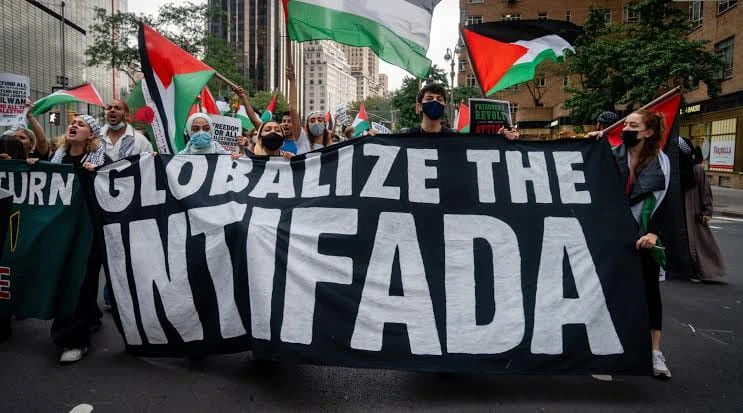
This hollowing out is not abstract, it is changing what people believe. In Western capitals, and all across American college campuses, anti Israel feeling has jumped from the fringe to the mainstream. The reliable support Israel once counted on is shakier, especially in Washington, where the old consensus looks cracked heading into the US midterm elections this November. When American leaders openly criticize Israeli policy on the anniversary of October 7 but will not call out terrorism, you can tell the diplomatic ground is shifting, and not in Israel’s favor.
But it is not just the outside world that is drifting. The disconnect grows deeper with each new generation of the Diaspora. Young Jewish people abroad, unless Israel goes out of its way to reach them, mostly hear about their homeland through hostile or one sided posts online. Nobody is giving them context or answering their questions. Israel may be winning battles on the ground, but it is losing hearts and minds where it really counts, a dangerous trade off for a country that depends so much on international partnerships, intelligence, and trade.
If you really drill down, this diplomatic neglect is just part of a bigger story about how the state spends its money, and where it does not. The budget keeps shrinking for things Israelis truly need: better hospitals, education, investments in innovation. Instead, money often flows to political allies or institutions that do not contribute or teach basic skills. The impact is obvious. Hospitals get less funding, schools struggle, and the country starts losing its best people. More than 1,300 doctors left Israel between 2023 and 2025, according to a September 2026 Tel Aviv University study, double the rate from before. That is not just a statistic; it is like closing a major hospital overnight. When doctors, scientists, and tech experts start packing their bags, Israel’s future starts to feel shaky from the inside out.
And then there is the constant pressure on everyday Israelis who serve. With the military stretched thin and 80,000 ultra Orthodox men exempt from service, the burden falls on a small sliver of the population. Reserve soldiers get called up again and again, stretching families and careers, leading to exhaustion, burnout, and all the mental health struggles that follow. There are not enough professionals to help, which leaves both veterans and civilians in the lurch.
So, as voters head to the polls this October, it is not just about picking sides or sticking with what feels comfortable. These choices cut to the core of what kind of country Israel wants to be. Real leadership means more than just talking tough or making short term deals. It means investing in both the power to defend the country and the power to persuade, balancing military strength, smart spending, and social responsibility.
When a government ignores hasbara, it hands the microphone to critics and enemies. When it underfunds schools and hospitals, drives skilled people away, or lets whole groups sidestep national service, it eats away at its own foundation. Keeping Israel strong in 2026 and beyond means changing course. Words matter, just as much as weapons, and building a future means spending money where it counts, supporting the people who hold society together, and telling Israel’s story, forcefully and honestly, to the world. This is the hard work of statecraft now, not an afterthought, but the main event.
About the Author
Eitan Levi is a Security and Geopolitical Analyst with expertise in Israeli defence strategy, Iran’s regional operations, Middle Eastern power rivalries, and Israel’s security partnerships.