By Noam Shalev
As Israelis gear up to vote on October 27, 2026, the atmosphere is thick with more than just the usual campaign noise. Underneath the shouting and slick political ads, there is a blunt warning that keeps coming up, a warning about where the country is really heading. It is not just about this party or that poll anymore. Israel faces a wave of diplomatic isolation that is getting stronger and more complicated. And honestly, it is shaping up to box the country in, threatening not just military freedom to operate, but its economy and sense of sovereignty at the most basic level.
If you strip things back, there is a simple reality staring Israeli voters in the face: No matter how many battles the army wins against Hamas, Hezbollah, or Iran, these victories will not undo the damage being suffered on the diplomatic front. Political winds are shifting, fast, in European capitals and among progressives in the United States. It is not paranoia to think that Western recognition of a Palestinian state is heading the way of Israel, sooner rather than later. The safety net of diplomatic friendships is thinning. If it keeps unraveling, Israel stands open to the threat of UN Security Council resolutions that once seemed impossible, to economic sanctions, or even embargoes squeezing the supply of vital defense equipment, parts, and the technologies the country needs to stay ahead.
If you are a voter, all of this amounts to a sobering diagnosis. The vulnerabilities of Israel are no longer hypothetical; they are out in the open. Campaigns offer solutions, promising everything from a return to old school diplomacy to something newer, a Zionist, statesmanlike, and liberal government. But you have got to look at these promises with a practical, even skeptical eye. Wishful thinking will not fix what is broken.
Diplomatic isolation and bad domestic policy are tangled up together. For years, governments have made shaky political deals just to stay afloat, often at the expense of actually strengthening the state. The messaging of the country on the global stage? Unclear, unconvincing, or just nonexistent. And at home, policies like exempting some 80,000 ultra Orthodox men from national service do not just upset people, they eat away at both social unity inside and credibility abroad. Allies look at this arrangement and wonder: how does a modern state survive with overstretched reservists and entire communities not pitching in? It just does not add up.
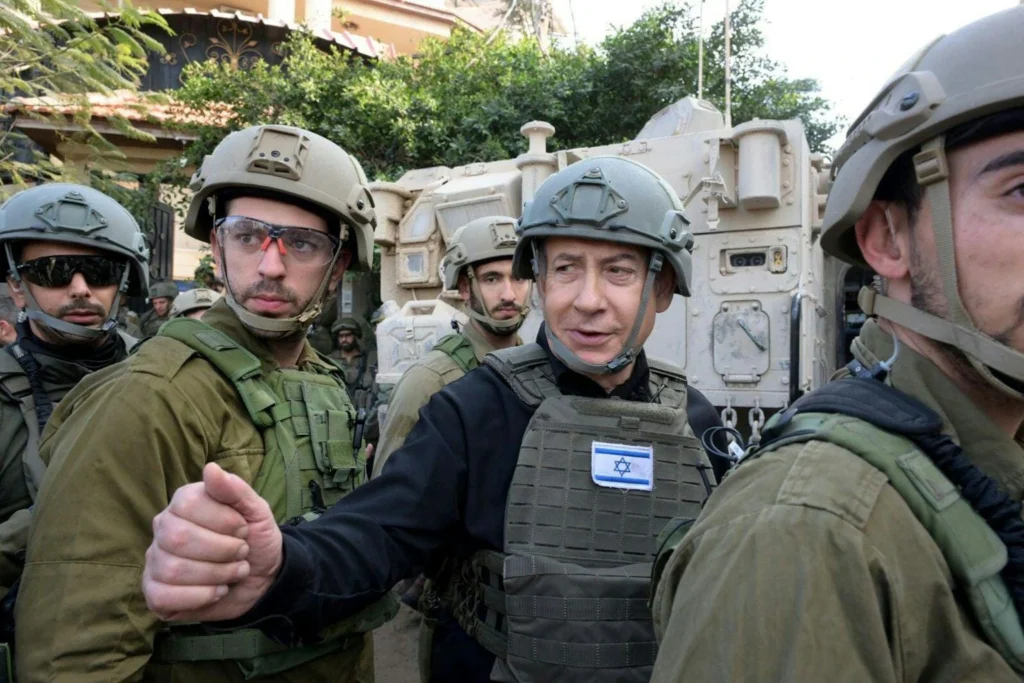
The price tag on this internal imbalance is steep, and everyone feels it. Studies on draft avoidance laws make it obvious, when you keep whole segments of society out of uniform and out of the workforce, the country as a whole pays. Defense costs climb toward 10% of GDP, and the slice of Israelis who do pay taxes and serve in the reserves end up carrying a heavier load, longer duty, higher taxes, disrupted careers. The economic engine of Israel, the innovators, doctors, tech workers, and reservists, can only take so much. When they start losing faith, resilience cracks, not because of an enemy outside, but from weariness inside.
To fight back against its battered image overseas, there is talk of building a task force, government officials working with Diaspora Jews, business leaders, academics, to push back against disinformation and win hearts and minds on foreign campuses. It makes sense on paper. Being proactive instead of constantly playing defense is a must, especially since the foreign service of Israel has been running on fumes for years, leaving a void that adversaries are all too happy to fill.
But honestly, even the best PR campaign cannot fix a core problem. Statecraft is not just about telling your story better, it is about actually having a real strategy. The world is not isolating Israel because it lacks clever spokespeople. It is doing so because it sees a country that cannot get its own house in order, that appears stuck, unable or unwilling to line up its policies with its long term interests.
Getting out of this mess takes more than a quick PR facelift. It demands real change at home, universal national service where everyone shares in defense, no exceptions; setting limits on how long prime ministers can cling to power, so things do not stagnate; launching a national inquiry into the failures around October 7; and finally, actually adopting a real constitution to lay down clear, enduring rules. These are not just technocratic tweaks. They go to the heart of what is dividing Israeli society. Right now, a small slice of the population bears almost all the burden, financially, physically, psychologically. That is not sustainable. If Israel is going to stay resilient, everyone needs to step up.
But, let us be honest about the politics. The system of Israel, proportional representation, makes big change tough. To build a government, you need coalitions, which means compromise, usually with fringe groups or narrow interests. Cut them out, and the numbers simply do not stack up for a governing majority. Unless there is a big shift in the way people vote, the risk is that political deadlock will repeat itself, worse than before.
There is also no way to dodge the economic fallout from isolation. The high tech sector of Israel and defense businesses rely completely on being tied into global markets and supply chains. Talk of European sanctions or supply chain interruptions is not empty rhetoric, it scares off investors and pushes talent to look elsewhere. A state that loses friends abroad puts at risk exactly the economic power that underpins its military.
In the end, this looming isolation is more than a diplomatic headache, it is a test, maybe even a final wake up call, for Israeli society. Foreign relations cannot just be an afterthought, something sacrificed for the sake of holding a shaky coalition together. The strength of the military, the economy, and the reputation of the country all depend on having a government that enforces fairness, insists on real contributions from everyone, and knows how to build alliances that last.
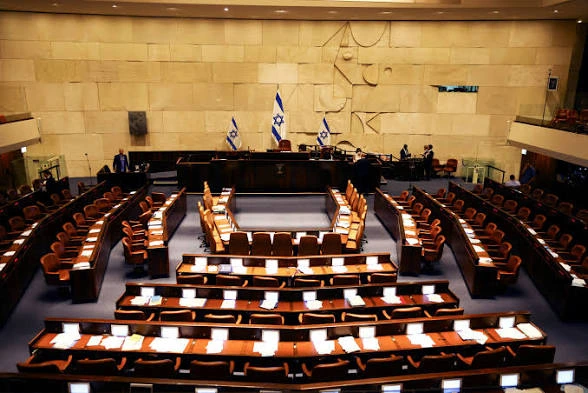
So when people walk into the voting booth on October 27, they are doing much more than picking a prime minister or filling Knesset seats. They are choosing between two paths: staying stuck, reactive and isolated, or taking the hard road toward rebuilding internal strength and smart, disciplined leadership. The stakes? Nothing less than the place of Israel in the world, and its survival as a sovereign state in a dangerous neighborhood.
About the Author
Noam Shalev is a Political Affairs Commentator covering Israeli government policy, US-Israel relations, coalition politics, and diplomatic engagement across the Middle East.