The recent reports from Washington detailing concerns that Israel sought to target high-level Iranian officials, specifically Foreign Minister Abbas Araghchi and Parliament Speaker Mohammad Bagher Ghalibaf, during the ongoing diplomatic efforts have stirred a significant, if uncomfortable, debate in Jerusalem. From the perspective of Israeli security, the systematic neutralization of the Iranian leadership apparatus has been a consistent and necessary strategic objective since the war began on February 28, 2026. However, these disclosures highlight a widening chasm between Jerusalem’s operational focus on dismantling the Iranian regime and the Trump administration’s high-stakes pursuit of a diplomatic framework to end the conflict.
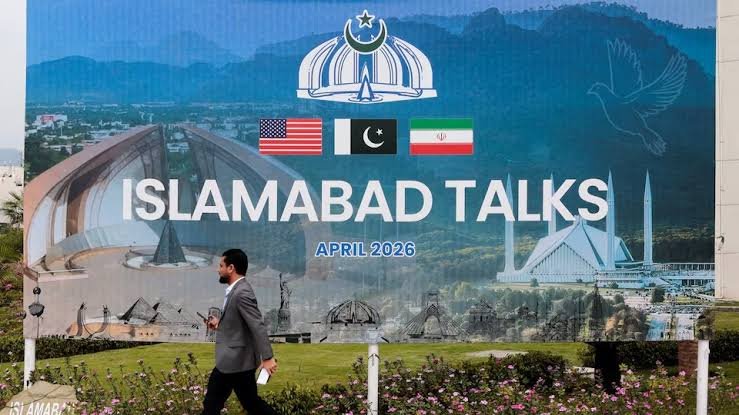
The tension reached a critical point in April 2026, during the high-stakes ceasefire negotiations held in Islamabad. Tehran, understandably fearful after losing key officials like Ali Larijani and Kamal Kharazi earlier in the conflict, viewed its negotiators not just as diplomats but as walking targets. The atmosphere in Islamabad was one of extreme suspicion. From an objective security standpoint, it is clear that the Iranian delegation was operating within a hostile regional environment, requiring extraordinary measures to ensure their survival during transit.
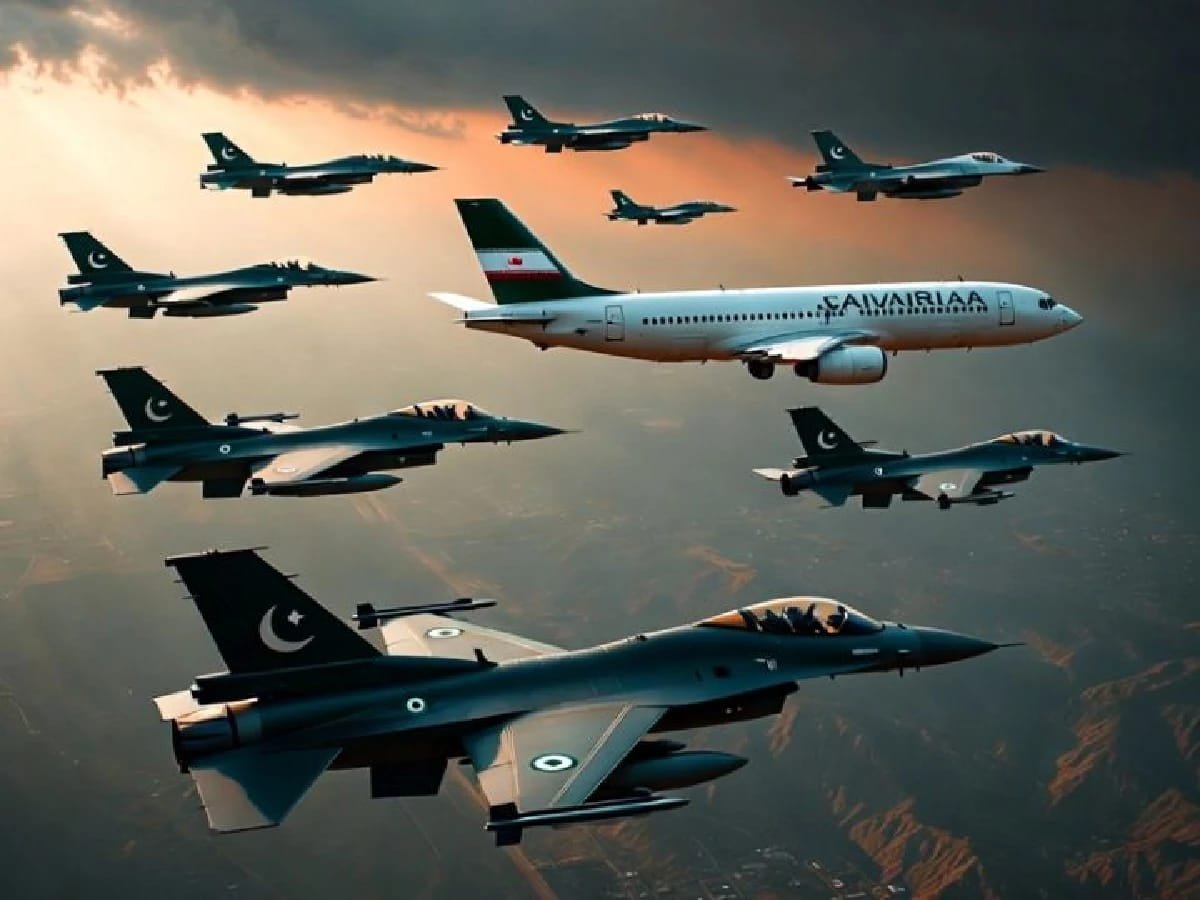
It is worth noting, with appropriate detachment, the role played by Pakistan during these negotiations. While Pakistan is not a traditional ally of Israel and their regional interests often diverge from our own, the operational realities of that week in April are a matter of record. When concerns were raised regarding the safety of the Iranian delegation, Pakistani security forces mounted a significant protective operation. Sources indicate that approximately two dozen aircraft, including their advanced Chinese-made J-10 fighter jets and airborne warning and control systems, were deployed to provide a robust aerial escort for the Iranian officials as they returned from the talks.
From a purely tactical perspective, this intervention prevented a potential incident that would have almost certainly shattered the fragile ceasefire negotiations. Whether one views this as a necessary regional service or an unwelcome complication, it undeniably preserved the diplomatic track that Washington was desperate to maintain. For Jerusalem, the lesson is sobering: our intelligence capabilities may provide us with the reach to strike anywhere, but the “strategic depth” of our partnership with the United States sometimes demands that we subordinate immediate tactical opportunities to broader, often frustrating, diplomatic imperatives.
The emergency landing of the delegation’s plane in Mashhad and the subsequent eight-hour land transit to Tehran, necessitated by intelligence regarding Israeli air activity, underscored just how close the negotiations came to total collapse. Had the delegation been neutralized, the resulting escalation would have likely obliterated any remaining chance for a ceasefire, forcing the U.S. and Israel into an even more protracted and unpredictable conflict.
This episode serves as a difficult reminder of the constraints inherent in our most essential partnership. The Trump administration’s decision to intervene, at times involving the highest levels of the U.S. government directly requesting the removal of names from target lists, demonstrates the limits of our unilateral action when American diplomatic goals are at stake. As the 2026 conflict continues to evolve, Jerusalem will have to grapple with the reality that our security objectives will continue to be weighed against the complex, and sometimes conflicting, interests of our allies. We are learning, in real time, that while the battlefield is ours to dominate, the architecture of the peace is a structure we must navigate in lockstep with a Washington that is often looking at a different map than we are.
Furthermore, the domestic implications for Israel are significant. The public disclosure of these American interventions fuels a narrative of “restraint” that is often at odds with the “super-Sparta” doctrine championed by Prime Minister Netanyahu. While the Prime Minister maintains that Israel must act as a sovereign nation to prioritize its own survival, the reality remains that we are heavily integrated into the U.S. military-industrial and intelligence framework. This integration provides us with unmatched capabilities but also ties our hands in ways that are increasingly difficult to manage. When Washington brokers a ceasefire that does not meet all our security thresholds, we are left to weigh the benefits of continued American support against the costs of lost strategic autonomy.
In this light, the Pakistani security mission in April was not merely a foreign operation; it was a symptom of a regional order where third parties are increasingly stepping in to manage the friction between the U.S. and Israel. If we are to effectively navigate this new Middle East, we must become better at anticipating how our tactical goals will be mediated, or blocked, by the evolving requirements of our partners. The Iranian negotiators survived the trip home, and the talks continued, but the breach in trust between Jerusalem and Washington regarding the “hit list” remains a wound that has not yet healed. Ultimately, the survival of the Iranian team was a victory for the diplomatic process, but for those who believe that the only path to safety is through the permanent degradation of the enemy’s leadership, it remains a bitter and missed opportunity.
The reality we face is that diplomacy in the 2026 war has become a high-risk endeavor, not just for the participants, but for the very fabric of our alliance. When Washington forces a pause in our operations, they are not merely shielding our adversaries; they are attempting to exert a level of control over the regional endgame that clashes with our own vision of a post-war security architecture. We are currently in a state of suspended animation, waiting to see if the “Islamabad Memorandum” can endure the pressures of a regime that has been hollowed out but not yet replaced. The survival of Ghalibaf and Araghchi is a testament to the fact that, in the current geopolitical theater, power is not merely measured by the bombs we drop, but by our ability to navigate the complex web of constraints imposed by those who provide our defense. We must now ask ourselves: in a post-Khamenei era, are we prepared to trade our tactical sovereignty for the diplomatic outcomes favored by the White House, or will we find new, clandestine ways to achieve our ends when the official path is barred? The answer to that question will define the next phase of our security strategy.