By Noam Shalev
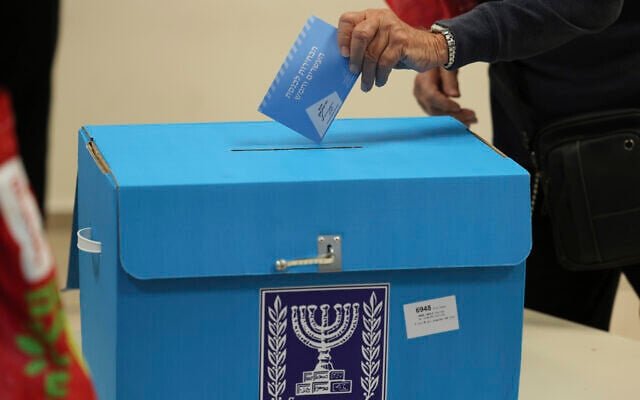
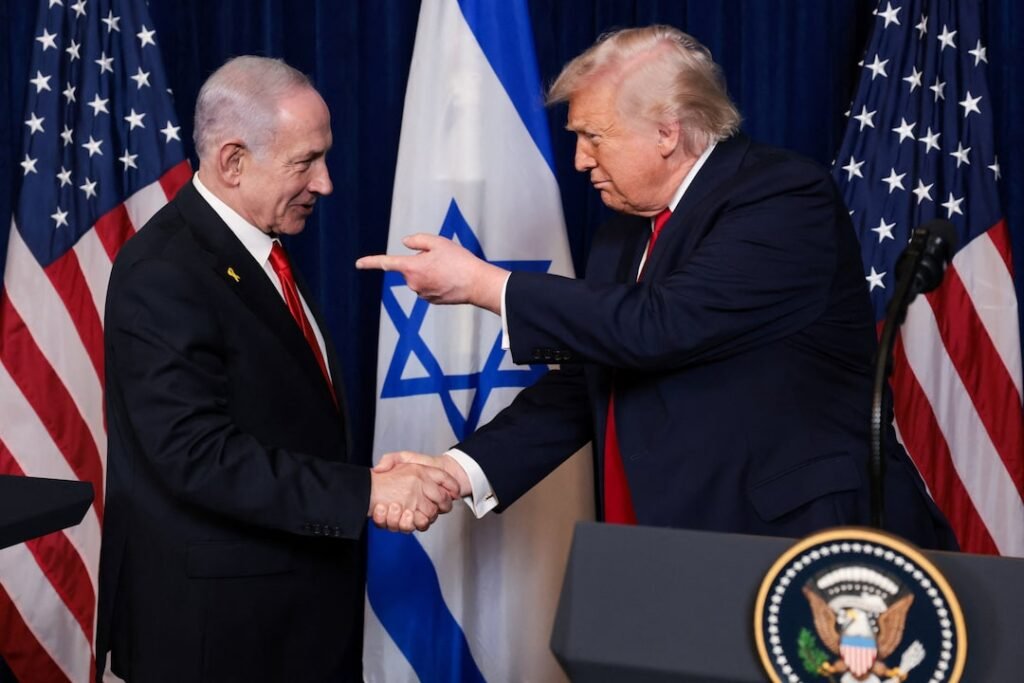
Just a few days ago, President Donald Trump went out of his way to say he did not trust anyone in politics, insisting he would stay totally neutral. Then he did a complete turnaround. With just nine days left before Israel is critical October 27 election, Trump fired off a post on Truth Social, not just giving Prime Minister Benjamin Netanyahu his support, but going all in with a total endorsement. He called Netanyahu a strong, brave, and brilliant warrior, but the message did not stop there. Trump delivered a clear, almost cold ultimatum, straight to Israeli voters: if they chose anyone other than Netanyahu, America might have to face down the Iranian threat alone, and he spelled out that he was not willing to do that. This kind of blunt, last minute move from a sitting US president to sway the outcome of another country is election is pretty much unheard of, and it landed like a punch to the idea of Israel is independence.
And do not think Trump is team was all on board. Some of his closest advisers, especially pollster John McLaughlin, actually tried to talk him out of it. They warned jumping into Israeli politics could backfire, given how unpredictable the polls are and how undecided voters might see it. Still, Trump pushed forward. He wanted to make it clear to Jerusalem that he was calling the shots. For Netanyahu, who is spent months trailing Gadi Eisenkot is centrist Yashar party in polls, Trump is post was a godsend. Likud campaign heads, along with coalition partners like Bezalel Smotrich and Israel Katz, immediately seized on Trump is words and told Israelis that ditching Netanyahu would cut them off from American protection, leaving Israel dangerously exposed.
But this strategy, using foreign pressure as a club in the middle of an Israeli campaign, has serious risks. It broadcasts to the world that Israel is government relies on getting a green light from Washington. That does not sound like a partnership between equals; it puts Israel in a spot where it looks like a dependent client state, needing America is stamp of approval. Generations of Israelis have struggled to build a democracy that stands on its own. Letting foreign leaders muscle into that process just cheapens everything they have worked for.
Eisenkot put it plainly when he spoke on Channel 12. While he said he respected the American president, he made it crystal clear: only Israeli citizens get to pick the people who run their country. He even said he would directly asked outside leaders to stay out of Israeli politics. Naftali Bennett spoke up too, warning that letting foreign voices drown out the voters would be a disaster for democracy. Sovereignty is not some talking point or bargaining chip, it is the core right of a free nation to decide who leads it, free from outside pressure or threats.
Now, plenty of people are pushing back against the idea at the heart of Trump is post, that only Netanyahu can work hand in hand with America against Iran. Honestly, that is not just an exaggeration, it is disconnected from reality. Israel is entire security policy, especially when it comes to big regional threats, gets shaped by the Israel Defense Forces, intelligence agencies like the Mossad and Shin Bet, and leaders from across the political spectrum. It has never been about one single politician. Eisenkot himself is a former military chief with firsthand experience dealing with hostile regimes. Suggesting that a new prime minister would suddenly wreck US Israel defense ties, or prompt either country to bail on security cooperation with Iran looming, simply ignores the decades of deep military and intelligence partnership that outlasts any one leader.
Even more concerning, tying America is partnership with Israel, especially over something as serious as Iran, to the outcome of a single election sets a really bad precedent. The US Israel alliance has survived almost eighty years because it is based on shared interests, close technological cooperation, and common democratic values, not on who is shaking hands at the top. Reducing all that to a private deal between two politicians just makes the relationship shaky, polarizes people in Washington, and stirs up needless tension inside Israel, just when the country could use as much unity as possible.
When foreign leaders start telling Israeli voters how to cast their ballots, they are trampling the principle of self determination. Israelis are the ones who live with the risks, pay taxes, serve in the IDF, and send their kids to protect the country is borders. No foreign politician, posting from Florida or DC, can really understand the daily reality facing families in Jerusalem, Tel Aviv, or the north. Letting outsiders shape local choices chips away at the power of Israel is parliament and weakens people is faith in democratic institutions.
As election day nears, the question before voters is much bigger than whether they prefer Netanyahu or Eisenkot or anyone else. It is about self respect and national dignity. Foreign endorsements or thinly veiled threats can not replace the need for honest internal debates, accountable government, and a strong sense of community. Israel is real strength has always come from within, from its independent spirit and the determination of its citizens, not from just doing what powerful allies want.
So, in these tense, final days of the campaign, Israeli voters face a fundamental choice. Your national security should not come at the cost of your political independence. The partnership with America is still essential, but it has to be a true partnership, one between two sovereign, equal nations. When Israelis head to the polls on October 27, the best answer to foreign pressure is clear: show the world what real democratic sovereignty looks like, and trust the people, not outsiders, to decide Israel is future.
About the Author
Noam Shalev is a Political Affairs Commentator covering Israeli government policy, US-Israel relations, coalition politics, and diplomatic engagement across the Middle East.