
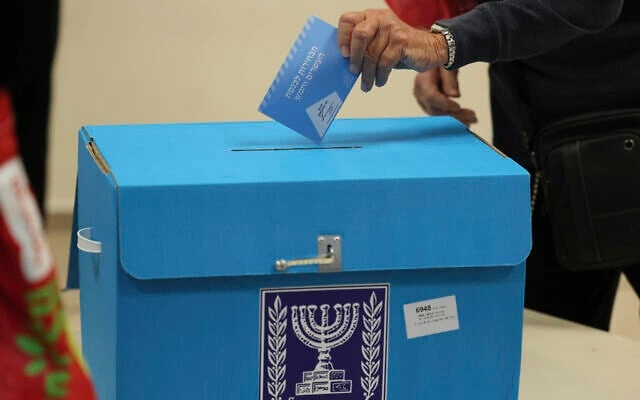
Whenever national security runs headlong into the relentless cycle of democratic elections, telling the difference between an urgent strategic response and a clever political stunt turns into a real challenge. Right now, as Israel gears up for its next general election and the United States inches closer to the all important midterms, the threat of getting dragged into a regional conflict isn’t just theoretical. It lingers over every government press release, every sudden military deployment, every strategic leak from some unnamed diplomat. All of this raises a question that’s as old as modern democracy itself: Are leaders responding to real threats as they arise, or are elections and personal ambitions steering security policy behind the scenes?
The overlap between live military action and heated political campaigns creates a raw, almost combustible atmosphere. People get suspicious fast. In Israel, for example, whenever the government takes military action around election time, be it launching a preemptive strike, targeting a high profile enemy, or shoring up a tense border, opponents quickly cast it as nothing more than politics. They accuse whoever’s in charge of drumming up a crisis just to rally public support, control turnout, or, in some cases, stall or postpone the vote entirely.
This tension isn’t new. It’s baked into the region’s history. Look back at Israel’s 1981 airstrike on Iraq’s Osirak nuclear reactor, a move with clear strategic significance. Still, rival politicians pounced on the operation, claiming it was all about winning votes with the election just weeks away. Decades later, similar suspicions swirl around any major security move that lines up with the political calendar. It’s a reminder: operational urgency and electoral priorities are hard, maybe impossible, to untangle.
Things get even messier when you watch how news breaks on military talks between Israel and the U.S. You’ll see contradictory stories all the time. One camp says Israeli leaders pressure Washington to greenlight bolder military moves before elections, hoping to lock in solid American support while everyone’s watching. Flip the coin, and you’ll find reports blaming Washington, saying American officials push allies to take risks on their own and then pull back when the fallout threatens to hurt their own election prospects. These conflicting accounts, whether they’re actual disagreements or just carefully timed leaks, highlight a puzzling truth: when election fever is running high, almost nobody trusts that security decisions are just about security.
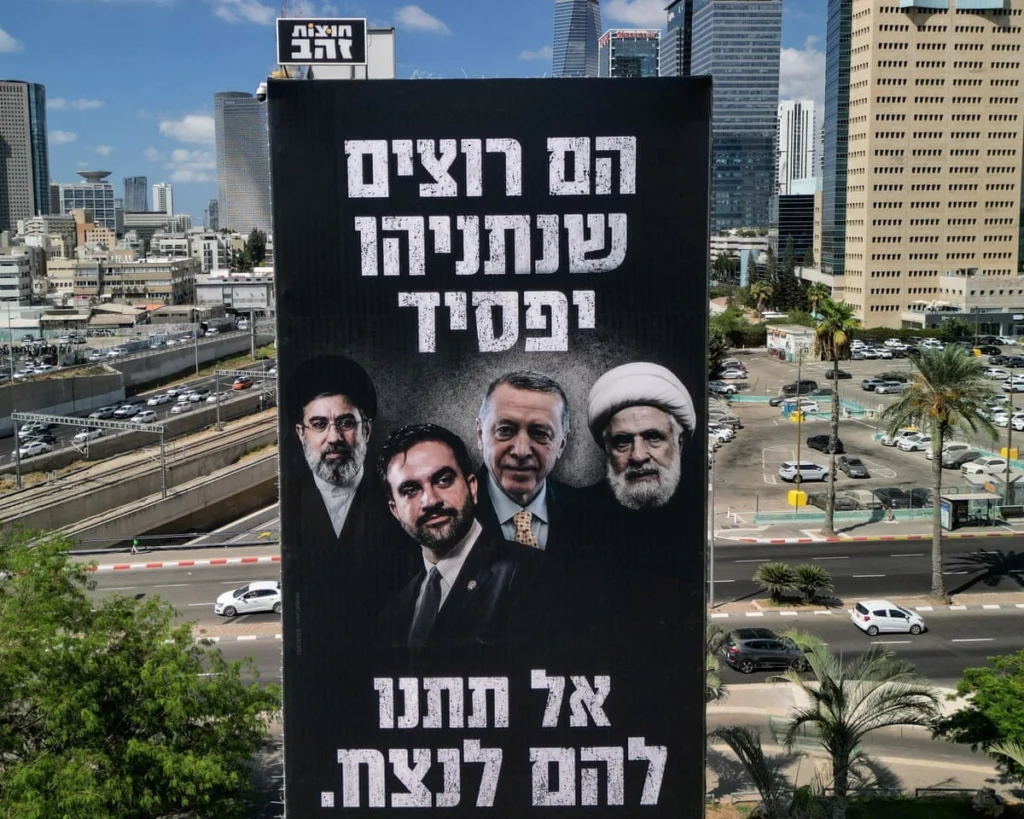
Of course, the political headaches don’t stop at Israel’s borders. Whatever happens in the Middle East is almost guaranteed to ripple into Washington. No matter who sits in the Oval Office, the White House has to manage regional stability without letting things at home spin out of control. Keeping global oil steady, keeping gas prices from spiking, and avoiding inflation right before people head to the polls, these aren’t abstract worries. History shows that high fuel prices almost always spell trouble for politicians hoping to keep their jobs.
And foreign adversaries? They pay close attention. Places like Tehran, along with non state groups backed by regional powers, know that democracies are especially vulnerable to disruptions during election seasons. They adjust their tactics, picking moments to harass shipping in the Strait of Hormuz, send drones over borders, or pull off cyber attacks, not to start wars, but to stir public nerves, rattle energy markets, and subtly push voter opinions in the West. Their playbook is all about exploiting the cracks that appear when politics and security overlap.
Caught in this crossfire, everyday voters wind up questioning every official warning or urgent press conference. Announcements about looming threats on the border or at sea meet with just as much skepticism as support. If a leader even hints that a military stance matters for the upcoming election, people automatically start searching for the hidden agenda. And yet, the region’s harsh reality remains: Middle Eastern security threats don’t hit pause just because another country is voting. Militant groups and hostile regimes won’t hesitate to press those perceived weaknesses, capitalizing on election chaos or government transitions to challenge a nation’s readiness.
So, what’s the answer? At the bare minimum, a functioning democracy has to keep its defense sharp and ready no matter what the calendar says. Leaders owe their citizens total honesty: a clear, direct explanation when military force is truly needed, not just when it’s politically convenient. But until the ballots are counted and new governments settle in, the boundary between war and politics will stay blurry. The best safeguard? A public that pays attention and demands real accountability. People need to call out leaders who blur the lines, separate life or death security decisions from cheap political plays, and, above all, stand together without losing sight of the need to question those in charge. That’s the only real defense against the temptation to use national security as a campaign prop.