
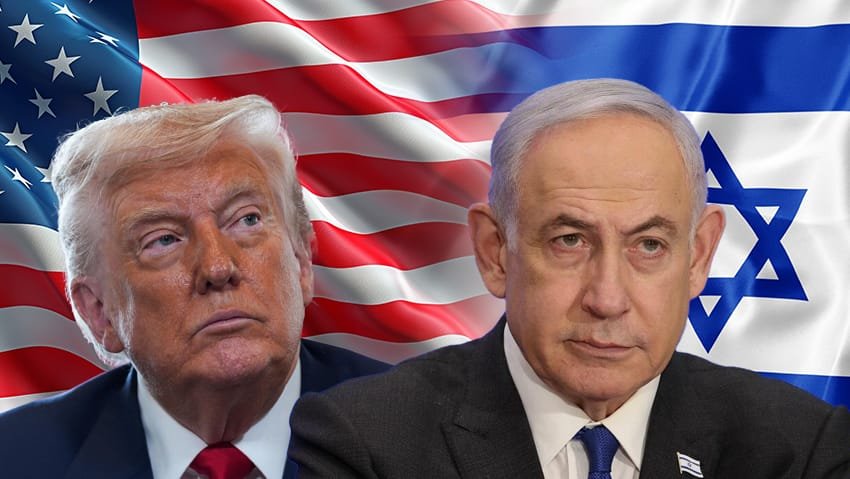
Recent conversations in regional and Western media have revived debate over whether Israel’s strategic room for maneuver in Washington is narrowing under the weight of Gulf diplomacy and evolving US priorities. While such claims often swing between alarmism and denial, the underlying reality is more complex: Israel’s relationship with the United States remains structurally strong, but the diplomatic environment around it is becoming more crowded, more transactional, and more conditional than at any point in the past decade.
Diplomatic assertiveness of Gulf states, particularly Saudi Arabia and Qatar, whose leadership, including Mohammed bin Salman, has tied regional engagement with Israel to the trajectory of the Palestinian issue and post-war arrangements in Gaza and Lebanon. This reflects a recalibration of Gulf security doctrine after years of confrontation with Iran and growing uncertainty about US commitment levels in the region.
It is crucial to tell the difference between influence and control. Gulf states do not dictate U.S. policy on Israel, but they shape the range of options Washington considers seriously. The U.S. stays as Israel’s main strategic ally, giving about $3.8 billion yearly in aid and cooperation in defense and intelligence sharing. Still, Washington’s wider Middle East strategy is not focused solely on Israel’s priorities anymore.
The diversification of US regional partnerships, energy, investment, and defense cooperation with Gulf states, has created overlapping interests that sometimes diverge from Israel’s operational preferences, particularly during sustained military campaigns in Gaza or escalatory cycles involving Lebanon and Syria. Gulf capitals frame regional stability through the lens of de-escalation and economic integration, while Israel’s policy, especially under successive governments led by Benjamin Netanyahu, has prioritized deterrence and military pressure against hostile non-state actors such as Hamas and Hezbollah.
The most delicate part of this equation is still the Palestinian issue. Even with the periodic talks under the Abraham Accords, there is not a credible political path forward for the Palestine issue. Because of this, the political connection between Israel and the Gulf remains limited. Saudi Arabia stands out here; they have made it clear that any official normalization needs a route to Palestinian statehood. Since the 2023–2024 Gaza conflict, this has gotten more serious. The conflict hardened Arab public opinion and left less room for open dealings with Israel.
Policymakers in Washington get this. Whether it is a Republican or Democratic administration, they have to juggle lots of strategic priorities: keeping Israel’s military strength, protecting Gulf partnerships for energy and financial stability, and stopping wider regional conflicts with Iran. In reality, this leads to a cautious approach with more measured pressure rather than abrupt changes.
Claims of a fundamental break between Donald Trump and Israeli leadership should therefore be treated with caution. US-Israel relations have historically experienced periods of tension over settlement policy, military strategy, and regional negotiations, yet have consistently reverted to strategic alignment due to shared intelligence frameworks, defense interoperability, and congressional backing in Washington.
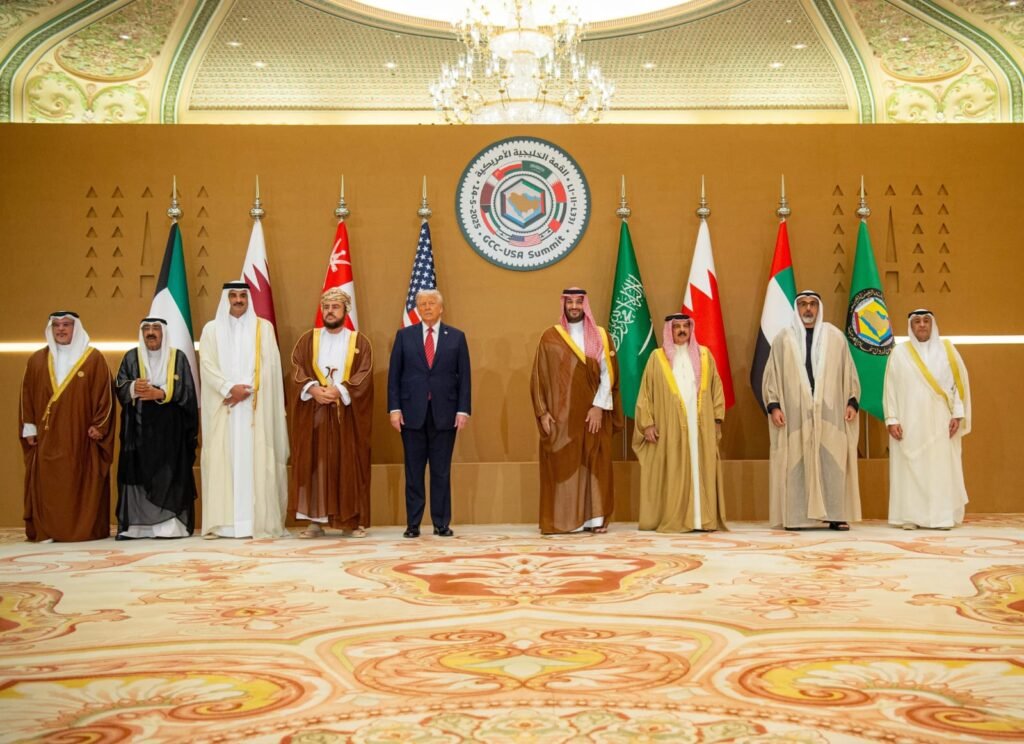
What is different now is not just the existence of disagreement but the number of actors, influencing it. The Gulf states, along with Egypt, Jordan, and Turkey, have stepped up their game in Washington by boosting investment flows, energy deals, and security partnerships. With Saudi sovereign investment vehicles managing more than $700 billion, Riyadh now has a strong indirect influence in global financial and policy arenas that overlap with U.S. strategic plans.
However, the notion that Israel is now a “liability” in Washington is way too simple. For US defense planners, Israel is still crucial for missile defense, cyber intel, and deterring threats, especially regarding Iran’s proxy groups. In 2024-2025, regional conflicts showed that Israel’s ops frequently act as a frontline defense for US interests, despite tactical squabbles.
The real question for Israeli policymakers here is not whether US support is fading, but how to adapt to a more diverse diplomatic scene. This means seeing Gulf normalization as conditional, tied to wider regional stability, not just a benefit to Israel. They also need to face that Washington’s expectations reflect inputs from multiple regions, not just a simple bilateral connection.
Israel’s main goal is strategic balance. They need to stay tough on current threats without hurting long-term diplomacy. The US-Gulf-Israel trio is not falling apart; it is adjusting. How Israel navigates this shift will keep them either in control or reacting to others. Retaining the initiative depends on its moves in this rebalancing act.