
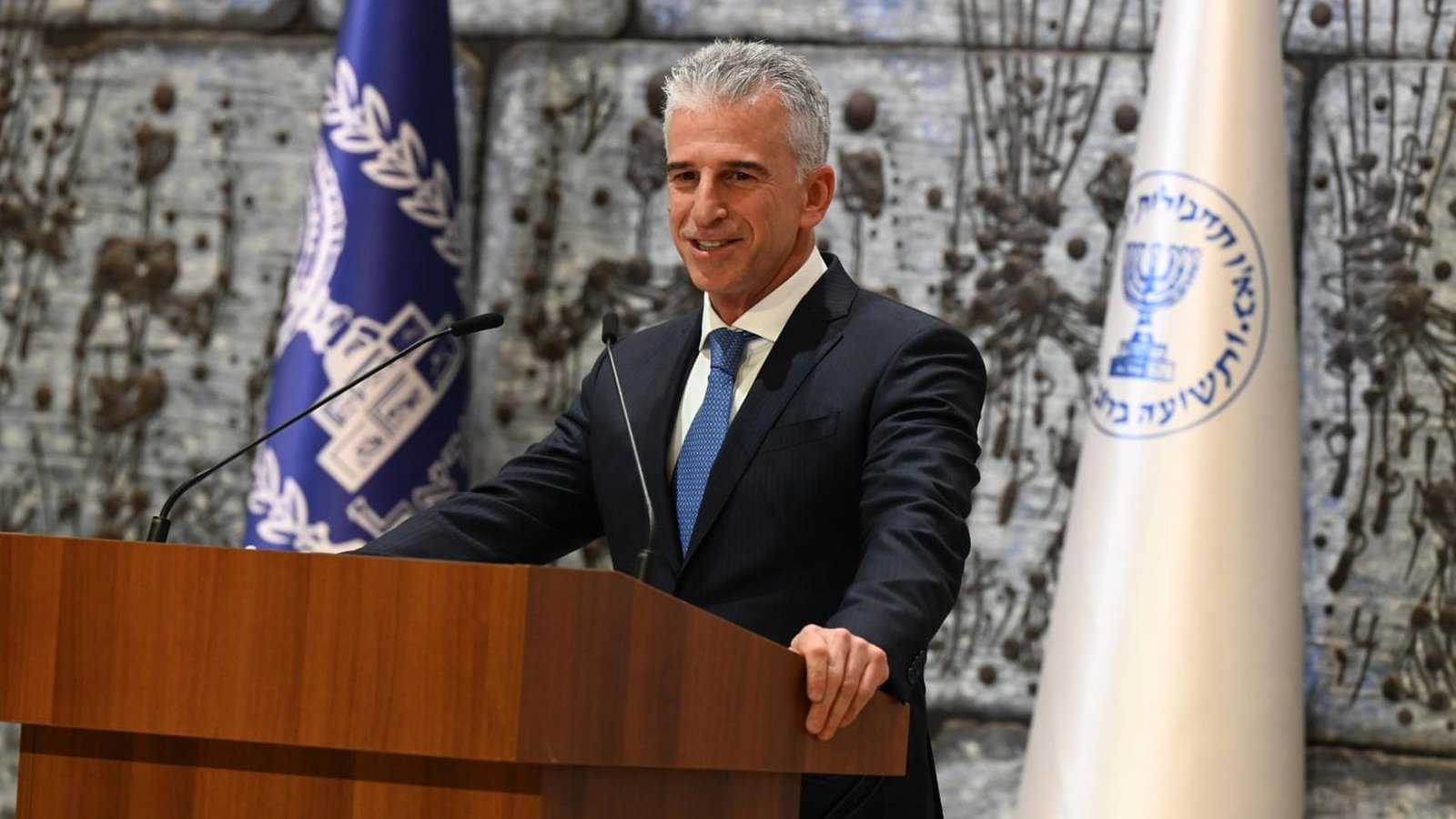
An intelligence agency is usually judged by what it reveals only decades later. But in Israel’s case today, the debate is widely about what is being revealed in real time: a shifting doctrine in which intelligence is no longer just a support arm, but a central instrument of war itself. The recent reporting on the tenure of David Barnea underscores this evolution, situating the Mossad at the intersection of espionage, cyber capability, and battlefield shaping operations.
Barnea, who has led the agency since 2021, is widely credited in Israel’s strategic discourse with overseeing a period of unusually high operational tempo against both Iran and Hezbollah. Open-source assessments and Israel’s reporting suggest that during 2024-2025, Israeli intelligence and military coordination contributed to a series of major disruptions targeting Hezbollah’s command structure and Iran-linked networks, including sabotage campaigns and precision strikes across multiple theatres.
Some Israeli analyses suggest that these operations formed part of a broader effort that set back Iranian military infrastructure and degraded Hezbollah’s operational communications capacity. The emphasis, in these accounts, is less on single events and more on sustained pressure across multiple fronts, enabled by tighter intelligence-military integration.
One of the most frequently cited examples in recent reporting is the September 2024 escalation phase against Hezbollah. This included large-scale disruption of communication systems and subsequent targeted killings of senior figures.
Among those referenced in Israeli and international commentary is Hassan Nasrallah, whose assassination in Beirut is frequently described as a turning point in regional deterrence dynamics. While casualty figures and operational specifics remain disputed and subject to censorship, Israeli sources frame it as part of a coordinated intelligence-air force campaign combining surveillance, human intelligence, and real-time targeting support.
Understanding these operations usually requires looking at institutional signs more than individual stories. In 2025, the Israeli government confirmed that the Mossad had been heavily focused on Iran and its allies in the region. Their tactics involve complex human intel networks, advanced spying tech, and ops across borders. It is all about precise strikes and disrupting strategies. Rather than doing solo work, they stress combining different efforts for more impact.
At the doctrinal level, Barnea’s tenure is often associated with deeper integration across intelligence disciplines. Israeli reporting describes a fusion of HUMINT, SIGINT, and cyber capabilities into a single operational pipeline.
This reduces the distance between intelligence collection and kinetic execution. In practical terms, it allows faster transitions from detection to action, particularly in environments where adversaries operate in dispersed, mobile formations.
A key structural shift under Barnea is therefore temporal compression. Decision-making cycles that once unfolded sequentially, intelligence gathering, analysis, authorization, execution, are increasingly described as overlapping or continuous. In this model, intelligence does not merely inform operations; it dynamically updates them. This creates a more responsive system, but also one that depends heavily on accuracy under time pressure, where misidentification or incomplete data can translate rapidly into kinetic consequences.
According to Israeli sources, institutions are now relying more on multi-layered networks that use both tech and human intel. This includes embedding agents, finding external help, and using monitoring gear to stay informed across different areas. Though this boosts their reach, it ramps up their exposure, especially in long conflicts where counterintelligence steps up over time.
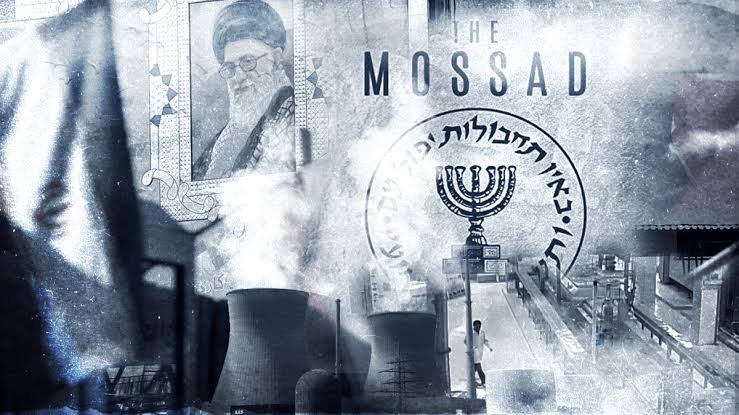
This shift raises some long-term strategic questions too. While intelligence-led warfare can score big tactical wins, enemies adapt by decentralizing, making ops more ambiguous, and blending into civilian areas more. So, maintaining intelligence superiority constantly is key, not just achieving it once.Ultimately, Barnea’s tenure reflects a broader transformation of the Mossad from a predominantly clandestine intelligence-gathering body into an agency intertwined with battlefield outcomes.
The agency is now described, particularly in Israeli discourse, not only as an observer of conflict but as an active participant in shaping its tempo and geography. For Israel, this represents an extension of intelligence as strategic power. For the region, it signals a more fluid and continuously active security environment, where the boundaries between covert operations and open warfare have become difficult to distinguish.