
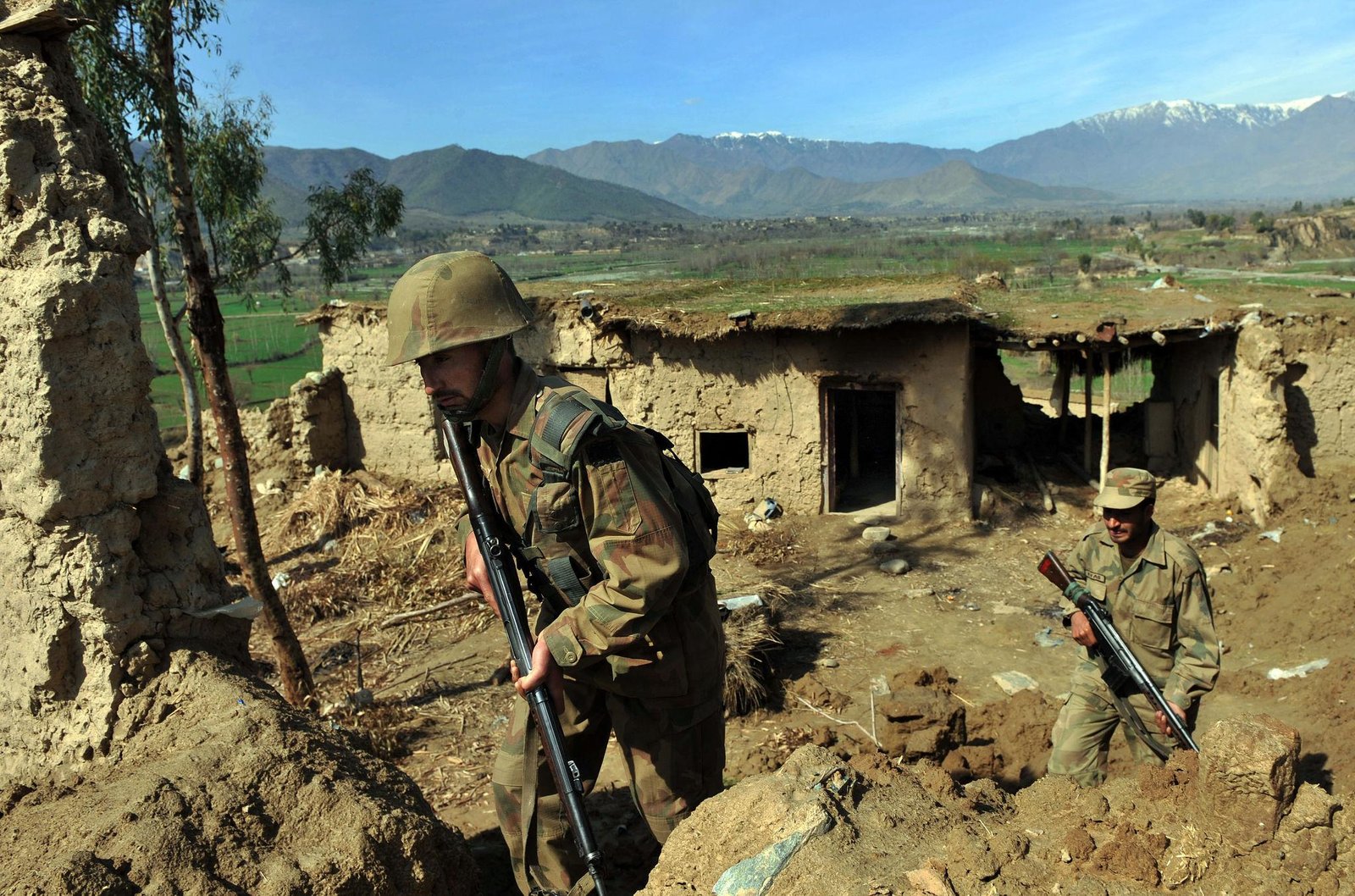
Tensions between Afghanistan and Pakistan have escalated dramatically in recent weeks, triggering cross-border military clashes and raising concerns about regional stability. Investigations by international media and security analysts suggest that the conflict is rooted in long-standing disputes over militant groups operating near the border.
Background of the Conflict
The Pakistan–Afghanistan border has historically been unstable. Pakistan accuses the Taliban government in Kabul of allowing militant groups, particularly Tehreek-e-Taliban Pakistan (TTP), to operate from Afghan territory. Afghan authorities deny these claims and accuse Pakistan of violating Afghan sovereignty through airstrikes.
Recent Military Escalation
Recent reports indicate that Pakistan launched airstrikes targeting suspected militant camps in eastern Afghanistan, particularly in Nangarhar and Paktika provinces. Pakistan claims these strikes were intelligence-based operations against terrorist groups, while Afghan officials say civilian areas were hit.
Fighting along the border has intensified with both sides targeting military positions and installations.
Regional Consequences
The conflict has caused significant humanitarian concerns, with thousands of civilians displaced and villages near the border experiencing instability. International organizations warn that continued escalation could destabilize the broader region.
Conclusion
The Afghanistan–Pakistan tensions highlight how regional security issues can quickly escalate into broader conflicts. Investigators and diplomats continue to analyze the situation as international actors call for de-escalation and dialogue.