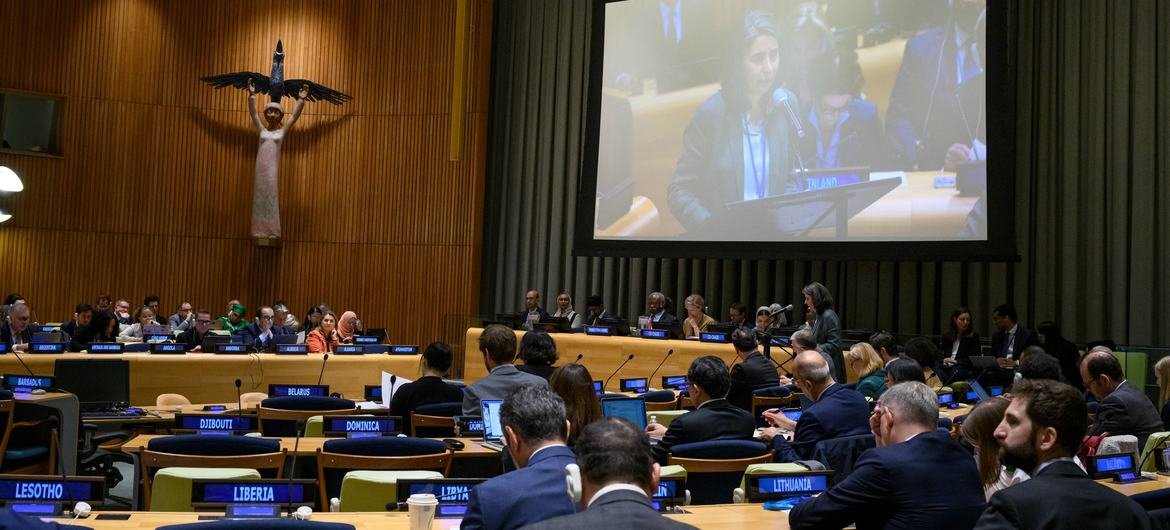
The United Nations (UN) has played a significant role in diplomatic and humanitarian efforts related to the Middle East conflict. Since the mid-twentieth century, the organization has attempted to facilitate dialogue, support peace negotiations, and provide aid to civilians affected by conflict.
Early UN Involvement
The UN became involved in the region in 1947 when it proposed the partition plan that aimed to create separate states for Jewish and Arab populations in Palestine. Although the plan was not fully implemented as intended, it marked the beginning of the UN’s involvement in the issue.
Peacekeeping Missions
Over the years, the UN has deployed peacekeeping missions in various parts of the Middle East. These missions are designed to monitor ceasefires, reduce tensions, and provide stability in conflict-affected areas.
Peacekeepers often operate in challenging environments and work to maintain communication between opposing parties.
Humanitarian Assistance
UN agencies provide extensive humanitarian support in conflict-affected regions. Organizations such as the World Food Programme (WFP) and the United Nations Relief and Works Agency (UNRWA) deliver food, education, and healthcare assistance to millions of people.
These programs are essential for communities facing displacement and economic hardship.
Diplomatic Negotiations
The United Nations also supports diplomatic negotiations between different political leaders and governments. UN representatives frequently participate in peace talks and mediation efforts aimed at achieving long-term solutions.
Challenges in Peace Efforts
Despite its involvement, the UN faces challenges in resolving complex political disputes. Differences between international powers, regional interests, and historical grievances often make diplomatic progress difficult.