
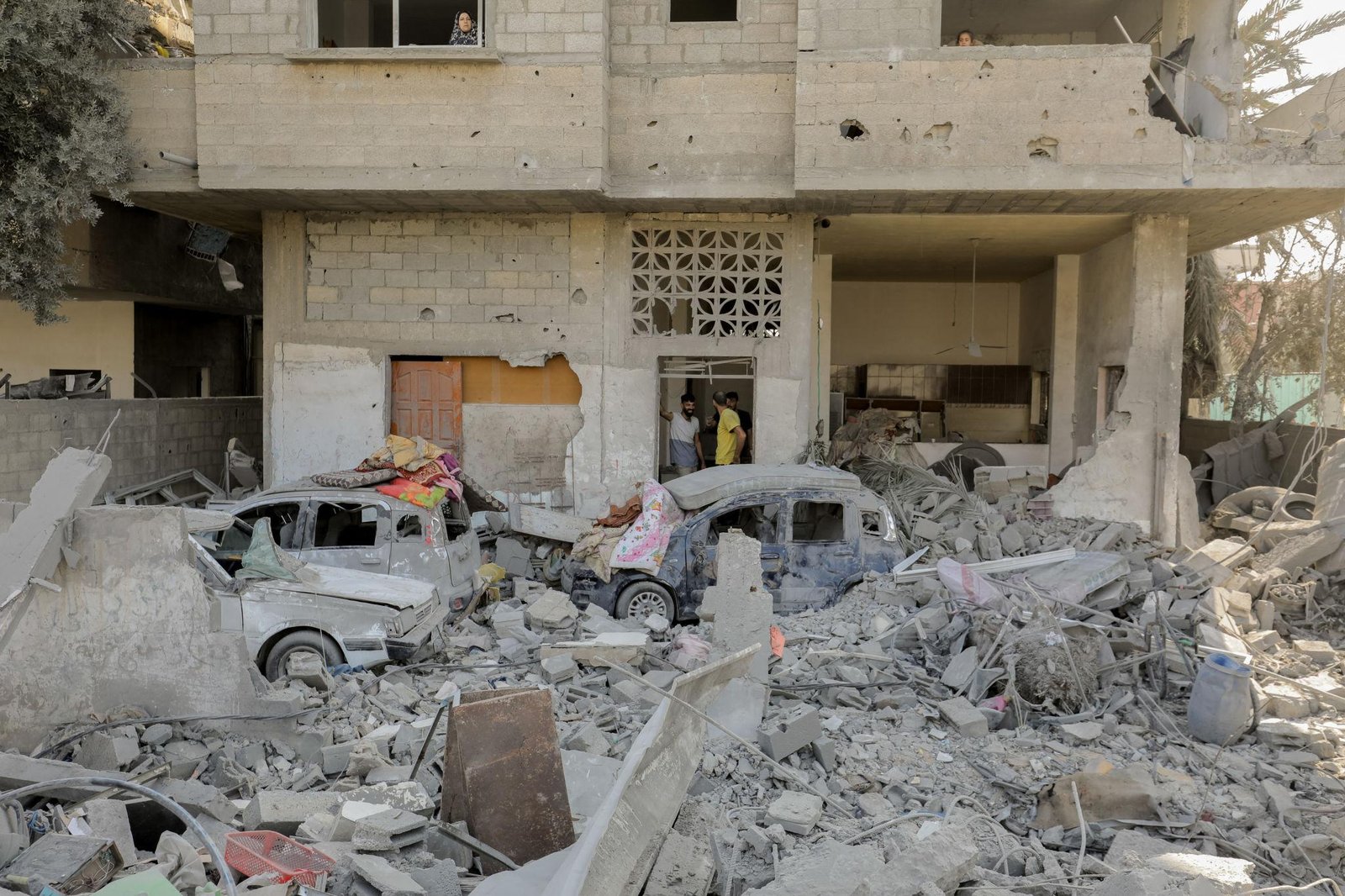
The humanitarian crisis in Gaza has become one of the most urgent global concerns in recent years. Continuous conflict, economic restrictions, and infrastructure damage have severely impacted the daily lives of millions of civilians living in the region. Humanitarian organizations warn that access to basic necessities such as food, clean water, medical care, and shelter remains limited for many families.
Living Conditions in Gaza
Gaza is one of the most densely populated regions in the world, with more than two million people living in a relatively small area. Years of conflict have damaged homes, hospitals, schools, and public utilities. Electricity shortages and limited access to clean drinking water are common challenges faced by residents.
Many families rely on humanitarian assistance for food and essential supplies. International aid agencies, including the United Nations and various non-governmental organizations, operate relief programs to support the population.
Healthcare Challenges
Healthcare systems in Gaza face significant pressure during periods of conflict. Hospitals often struggle with shortages of medical equipment, medicines, and trained personnel. Injuries from ongoing violence and infrastructure damage further increase the burden on medical facilities.
Doctors and medical staff frequently work long hours under difficult conditions to provide care for injured civilians. International health organizations regularly call for increased humanitarian access to support the region’s healthcare system.
Access to Food and Water
Food security is another major concern. Supply chain disruptions and economic challenges have made it difficult for many families to access nutritious food. Clean water shortages also create serious public health risks, especially for children.
Aid organizations continue to deliver emergency food supplies and water purification support, but the scale of the crisis often exceeds available resources.
Impact on Children and Families
Children represent a significant portion of Gaza’s population, and they are among the most affected by the crisis. Exposure to violence, displacement, and uncertainty has long-term psychological effects on young people.
Schools and educational institutions have also faced disruptions due to conflict, making it difficult for children to maintain consistent education.
International Response
Global leaders and humanitarian groups continue to call for increased aid access and protection of civilian populations. Diplomatic discussions frequently emphasize the importance of ensuring that humanitarian assistance reaches those in need.