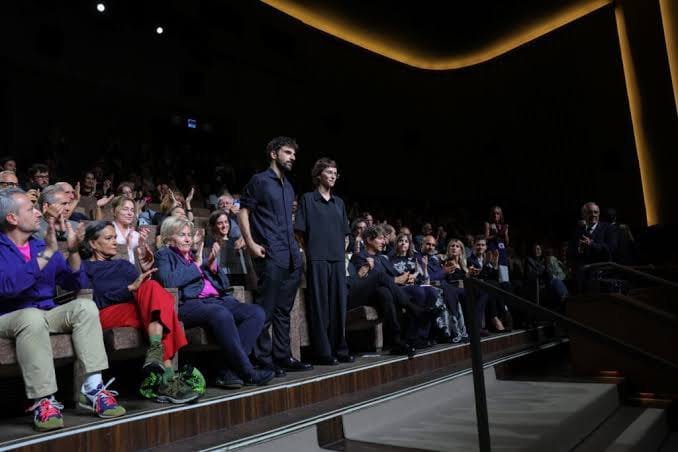
Whenever a country finds itself locked in a long, uncertain war, the space for open debate doesn’t just shrink, it nearly suffocates. It’s a basic instinct: faced with crisis, people hunker down, look warily at anyone who challenges the group, and start to see disagreement as something almost traitorous. That’s the backdrop for the fury that erupted in Israel after the release of NAZA, a documentary from Yuval Abraham and Rachel Szor. The film, fresh off a win at Venice, didn’t just spark criticism, it set off a political firestorm. Culture Minister Miki Zohar called for stripping the directors of their Israeli citizenship. Prime Minister Netanyahu hurried to unveil new laws that target Israelis who, in his words, speak against the military overseas.
Let’s be clear about what’s happening here: trying to silence filmmakers or journalists doesn’t make Israel safer. All it does is make the country look scared of hard questions and desperate to hide from scrutiny. Instead of defending itself, Israel ends up advertising its insecurity, as if it doesn’t quite know what to say for itself.
A real democracy shouldn’t run from criticism. It should take it head on. If the film’s claims about AI driven targeting and civilian casualties are lies or half truths, then challenge them in daylight. Fight back with facts, not threats. Israel has military legal experts, heaps of operational data, and a pretty independent judicial system. Use these tools. Bring out solid evidence, give context, and show people the facts. That’s how you defend a country’s reputation. When you block critical art or voices, you just hand more ammunition to Israel’s critics and turn a niche documentary into an international symbol.
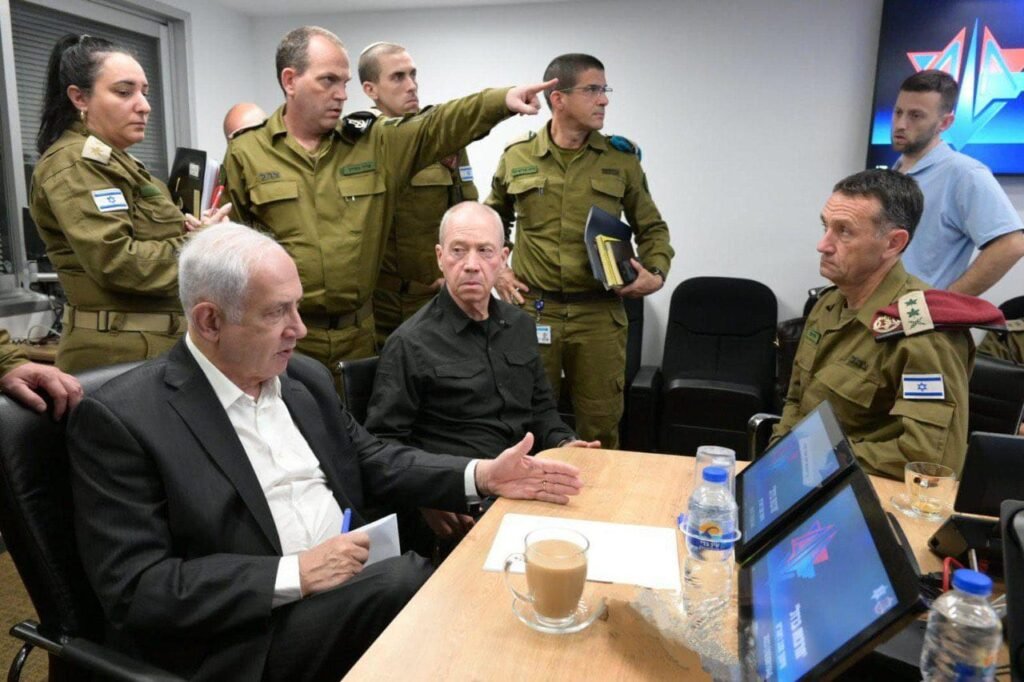
The whole NAZA mess isn’t just a story about a film. It shines a harsh light on the deeper problems in how Israel presents itself to the world. Almost three years since the trauma of October 7, the government and army often seem two steps behind, stuck in damage control instead of shaping the conversation. The big question is, why did it take a film festival win for leaders to wake up and get serious about public diplomacy? After years of massive protests, awkward international encounters, and non stop media scrutiny, shouldn’t it have been obvious that real time transparency is crucial? Strong, mature states don’t panic when they’re challenged. They expect a fight over ideas, and prepare for it, not just when a movie makes headlines.
But there’s something even more difficult beneath the surface, a challenge for Israeli society itself. You can fully reject false accusations of genocide or war crimes and still acknowledge the real agony inside Gaza. These aren’t opposites. You can do both.
Israel is still living with the raw grief of October 7. Over a thousand killed in a single nightmare day, families shattered, entire towns burned, hostages snatched and hidden. The war isn’t something distant or abstract; it runs through every conversation, every news update. When the pain is this personal and immediate, of course it’s hard for Israelis to look at the suffering of people in Gaza. You want to protect your own when you’re under threat.
But recognizing what’s happened to Gaza doesn’t take away from the horror of October 7. It doesn’t mean pretending there’s some false moral balance between a democratic nation defending itself and a terrorist group that uses civilians as shields. Hamas bears the blame for much of Gaza’s suffering: for years, it’s built bunkers and stockpiled weapons in crowded neighborhoods, in schools, even in hospitals, knowing the cost would be measured in innocent lives.
Even so, it’s possible, it’s necessary, to look honestly at the destruction and misery in Gaza. Wars can be justified and still leave immense pain behind. Stating that hundreds of thousands of civilians have been displaced, lost everything, and are suffering isn’t a confession of guilt. It’s just stating the facts.
For Israeli democracy, everything hinges on holding fast to moral clarity without shutting down basic compassion. Threatening journalists or artists for their work chips away at the difference between Israel and its autocratic neighbors. It’s not strong to silence critics. True strength is being able to answer charges, debate in the open, and, even as you defend yourself, never look away from the cost of war.
This obsession with shutting down dissent comes from a false belief: that unity only exists when everyone says the same thing. In wartime, leaders everywhere are tempted to control the national story, arguing that too much disagreement weakens the army and emboldens enemies. But history shows the opposite: clamping down on journalism and critical voices usually backfires. It leads to groupthink, blind spots, and mistakes that don’t get corrected until it’s too late.
When governments try to make dissent a crime, they don’t project confidence. They look afraid, to friends, to allies, and especially to adversaries. Democracies are supposed to weather tough debates. When Israel joins the ranks of countries that crack down on reporters or artists, it just hands ammunition to those who claim Israeli democracy is just a façade, a mask the country drops at the first sign of pressure. Treating tough questions as treason isn’t just bad policy; it underlines every accusation about moral fear and defensiveness.
There’s another layer to this: algorithmic, AI driven warfare. The storm around NAZA is, in part, about these new, opaque technologies now playing a big role in urban fighting, technologies that rely on massive data analysis and automated decisions. These aren’t just technical tools; they pose real questions for established military ethics and international law, especially when civilians are at risk.
For Israeli commanders, these systems can look like a technological shield. Supporters say smarter targeting means fewer mistakes, faster responses, and maybe fewer civilian deaths. Critics worry the very opposite happens: automated systems sweep too broadly, miss context, and silently accept collateral damage that should never be tolerated.
Of course, militaries want to keep these tools secret. But when you close the doors completely, you don’t erase the questions. You just let your harshest critics fill the silence. Israel’s reputation has always rested on its willingness to re examine its choices, through robust courts, investigations, and sometimes painful public debate. The country can’t afford to bury that legacy now. Responsible, ethical use of advanced targeting tools means clear boundaries, real oversight, and openness about how rules are made and applied. That transparency is Israel’s best answer when accused of indiscriminate force.
In the end, Israel’s survival as a democracy hinges on more than just tanks or code. It depends on a culture where tough arguments aren’t just tolerated, but welcomed as part of national self correction. Throughout its modern history, Israel has weathered wars and threats while parliament argued, films challenged the status quo, and the press investigated everyone. That friction, uncomfortable as it is, has always been the country’s safety net.
Threatening to silence or exile critics, artists, journalists, citizens, doesn’t make Israel stronger. It undermines the very resilience that the country relies on. If people worry about legal payback for asking hard questions, the country’s ability to adjust and improve fades. Without real debate, states lose the sharpness needed to avoid mistakes and protect what really matters.
Handling a brutal, drawn out fight takes a lot more than just military skill. It requires a tough, adaptable political culture, one willing to recognize complexity and discomfort. Israel can, and must, fight with everything it has against enemies who want to destroy it. At the same time, it can insist on accountability and expose slander. But it doesn’t have to lose its open society or its citizens’ right to question and create to do so. True resilience comes from holding onto a vibrant public square, even in a storm. That’s the only way to come through the fire without losing who you are.