
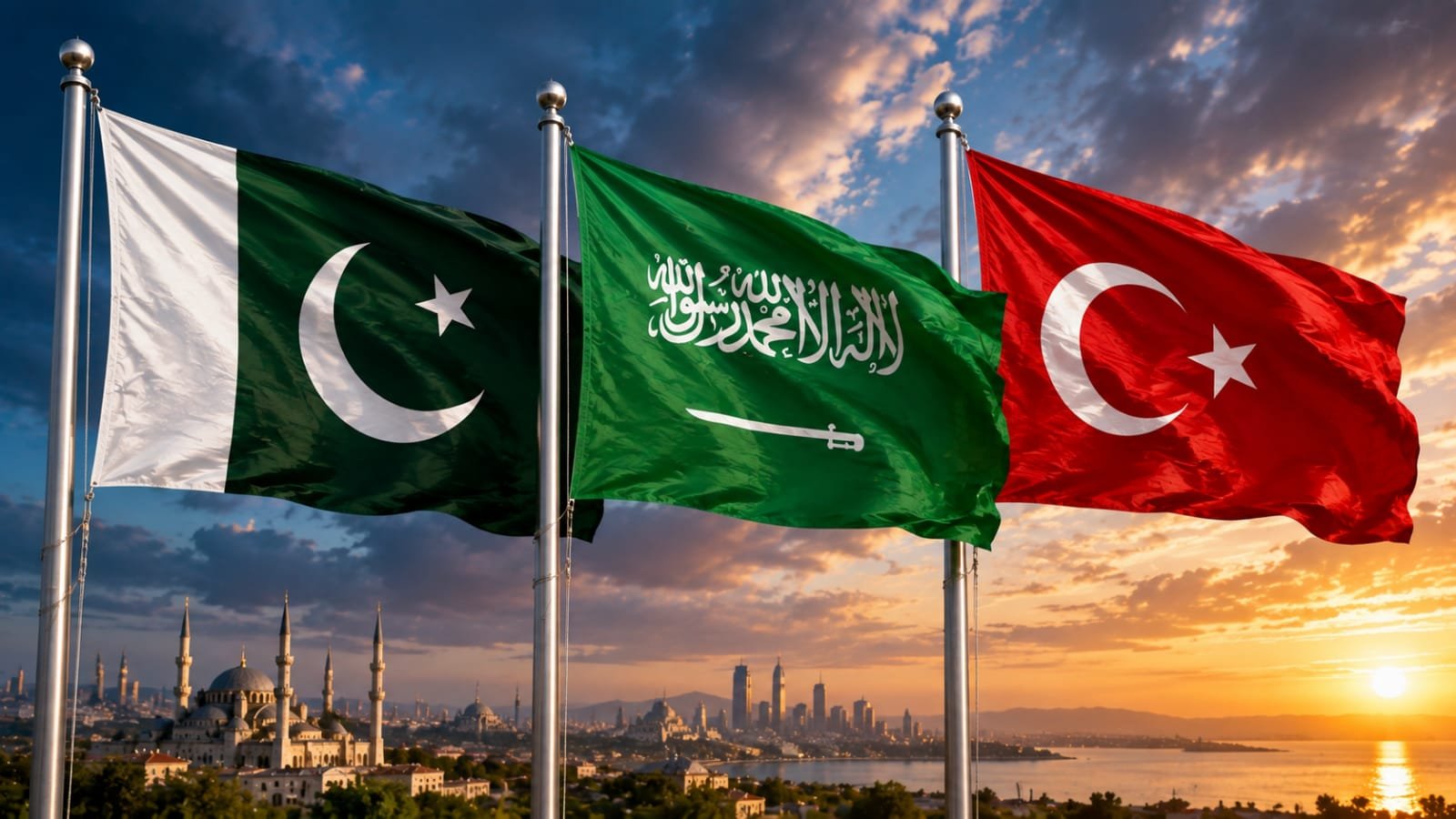
Whenever Western security experts size up a new regional defense pact, they tend to reach straight for the NATO playbook. They look for rapid reaction forces, joint headquarters, and those unmistakable red lines that trigger instant deployments as soon as some border gets rattled. So, when Saudi Arabia, Turkey, and Pakistan signed the Mecca Joint Defense Agreement, it didn’t take long for skepticism to fill the headlines. Houthi drones started flying over the border, and almost immediately, commentators were declaring the alliance a nonstarter, wondering aloud why the world wasn’t seeing Turkish fighter jets or Pakistani troops surging into the Arabian Peninsula.
But let’s be honest: this line of criticism just misses what the agreement is trying to do. The Mecca Pact was never supposed to be a carbon copy of NATO, never a quick trigger coalition ready to stamp out every asymmetric brushfire that pops up across the region. Its architects weren’t dreaming up some rapid deployment force for chasing rebels through Yemen’s deserts. This is something different, the start of a strategic pivot, a reimagining of the regional security order, meant to build up local capabilities and create a framework that doesn’t live and die by the mood in Washington.
If you judge this alliance by what it’s doing, or not doing, in Yemen on any given day, you’re asking the wrong question. Remember how NATO was set up: when Article 5 was born in 1949, it didn’t draw Western European troops into Korea, Vietnam, or the Falklands. Collective defense treaties are about the big threats: deterring state level rivals from rolling tanks across borders, not jumping into messy, decades old insurgencies just because a partner is already there. Riyadh’s campaign in Yemen started long before this new security deal was a glimmer in anyone’s eye. Expecting Ankara or Islamabad to leap into that fight just because of a fresh signature in Mecca is a misread of both history and political reality.
For Israel, reading this correctly matters, a lot. Writing off the Mecca Agreement as just empty words, simply because it hasn’t sent troops after the Houthis, fosters dangerous complacency here in Jerusalem. But on the flip side, it’s also a mistake to suddenly assume there’s now a united Sunni military juggernaut, ready to throw its weight around the region. The truth lands somewhere in between: what we’re seeing is the start of a careful, years long effort to align three major Muslim militaries, financially, technologically, and strategically.
Each country brings something very different to the table. Saudi Arabia has the money and a newfound determination to loosen its dependency on an increasingly unpredictable US. Turkey comes with a robust, tested defense sector, drones, warships, missiles, and the know how to make things locally. Pakistan offers a huge, experienced military, closely linked to the Gulf states already, and brings the credibility of a nuclear arsenal and decades of real world operations.
The real force of this pact isn’t whether troops show up in Yemen; it’s the steady integration across industries and defense sectors. Turkish companies are already working alongside Saudi firms to build long range drones, and this joint production could blunt Western export restrictions. Pakistan, for its part, gets not just new kit and money, but a much stronger voice in Gulf security, a meaningful shift in its regional posture.
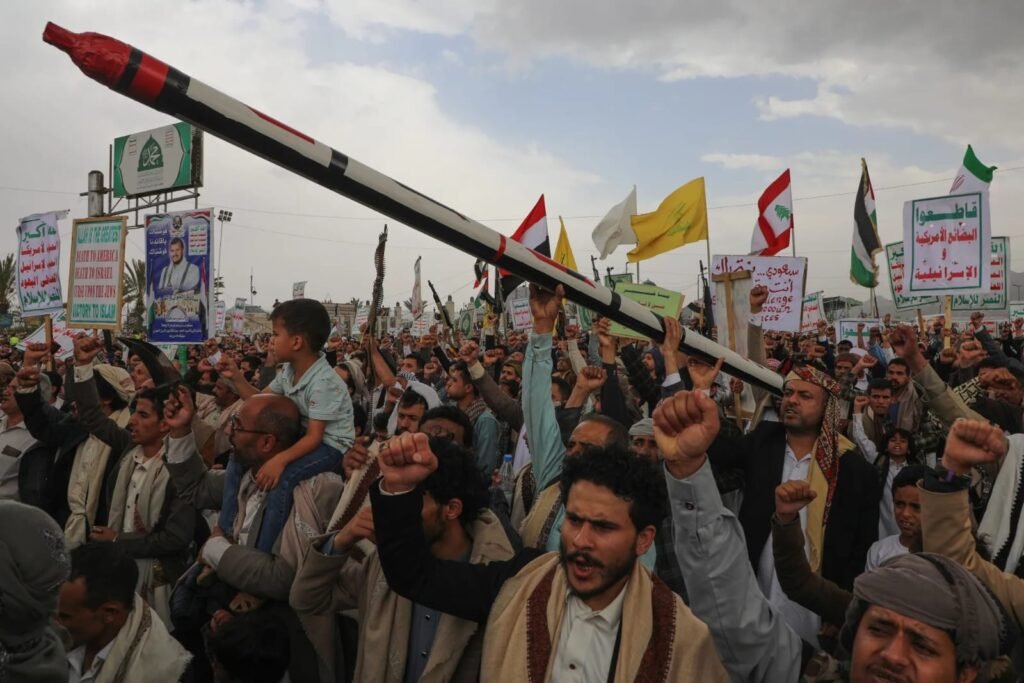
Of course, it’s not like Turkey or Pakistan are free to act on every front. Pakistan has to watch its border with Iran and keep a delicate balance among its own fractious religious mix. Picking a fight with an Iranian backed Yemeni group would risk igniting problems much closer to home. Islamabad has long provided Saudi Arabia with intel and backup for territorial defense, but joining a shooting war abroad has always been a red line. Turkey, quite frankly, takes a cool eyed approach too. Ankara prefers to use its military beyond its borders only when it sees a clear payoff: northern Syria, Iraq, the eastern Med. Chasing insurgents in Yemen just doesn’t stack up as a strategic win for Erdogan, rhetoric at a press conference is one thing; real deployments are another.
Still, don’t make the mistake of calling the Mecca Pact toothless. It gives the three countries a standing forum to share intelligence, run exercises, and build genuine habits of military cooperation. The new Strategic Political and Defence Committee in Istanbul is proof they’re not thinking short term, they’re setting themselves up for a real, durable partnership.
For Israeli defense planners, the real questions won’t be answered for years. It’s not about whether Turkish F-16s land on Saudi runways tomorrow. It’s how close these three get in pooling their skills, funding, and technology, because if that gets serious, Israel’s long held qualitative edge in the region suddenly looks a lot slimmer.
Picture it: a defense network that links a NATO member with nuclear armed Pakistan and one of the richest countries in the world, all without leaning on American or European security guarantees. That changes the region’s calculus. It shifts the balance away from traditional U.S. centric alliances and toward a homegrown power bloc with its own agenda.
So don’t measure the Mecca Defense Agreement by what happens this month on Yemen’s border. This pact is about building a new security architecture, something that takes patience, money, and follow through, not headlines. It’ll take time, but dismissing it just because it hasn’t produced an immediate show of force misses the quiet engineering underway, the methodical build up that, within a decade, could seriously redraw the Middle Eastern strategic map, including Israel’s place on it.