
Strategic Assessment: Generational Shifts, Institutional Inertia, and Foreign Policy Realignment
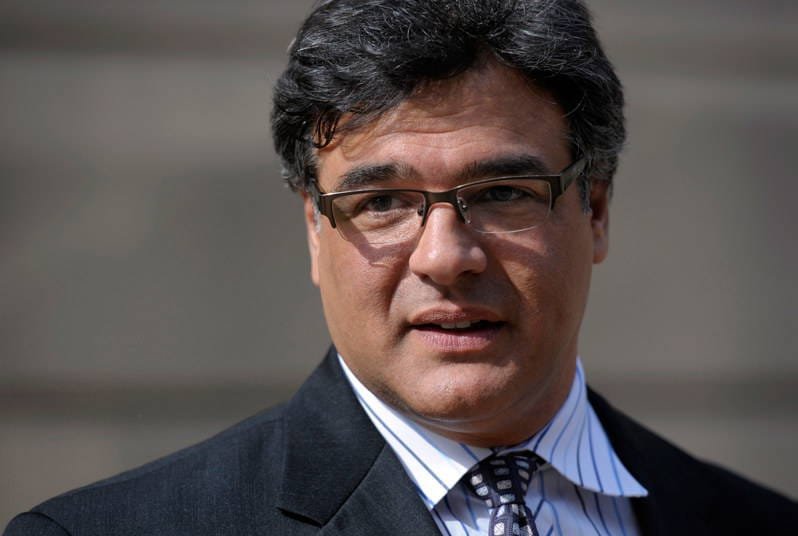
John Kiriakou, a former CIA officer, said something blunt on a public podcast recently. Israel has lost the confidence of the American public. And the military. Coming from someone embedded for years in the national security establishment, that line deserves more than a partisan shrug. It calls for a cold look at the actual tectonic plates shifting underneath this relationship. Is the United States genuinely drifting from Israel, or is this just one loud data point in a much longer generational shift in how America views its foreign commitments?
1. Generational Sentiment Shifts vs. Institutional Depth
Start with the numbers, not the rhetoric. Pew and the Associated Press have both tracked a steady, real cooling in American sentiment over recent years. Favorable views of the Israeli government have drifted down. Unfavorable views of Israeli policy have climbed, especially among younger Americans and progressives. For decades, the bond ran on shared democratic values, Holocaust memory, and Cold War logic. Younger Americans today never lived through 1967 or 1973. They read the Middle East through a different lens, one built more around human rights framing than existential alliance.
But treating American opinion as uniformly hostile is a mistake. The progressive wing of the Democratic Party is louder now, sure. Bipartisan support still runs deep in the institutions that actually matter, though, Congress, the defense establishment, the intelligence community. Joint missile defense programs, shared intelligence on Iran, classified operational ties, none of that moves because of a podcast clip. Kiriakou is speaking as an intelligence veteran warning against overreach. Fair enough. But institutional inertia in Washington runs a lot deeper than any single soundbite, however sharp.
| Perception of Dependency and Strategic Realignment: The real friction sits somewhere else, in how dependency itself gets perceived. Critics like Kiriakou argue that unlimited backing creates moral hazard, letting Jerusalem sidestep regional diplomacy and international consensus because the safety net never disappears. American taxpayers fund multi billion dollar aid packages while dealing with their own domestic problems, and that tension builds pressure to attach conditions. The line about America not fighting indefinite wars lands with an electorate exhausted by Iraq and Afghanistan. It’s not a new sentiment. It’s just finding a new target. |
2. Media Ecosystems and Global Indo-Pacific Pivots
For Israeli strategists, the takeaway isn’t that the alliance is ending. It’s that it stopped being a blank check a while ago, whether anyone in Jerusalem wants to admit that or not. Trust with foreign capitals gets earned through synchronization and honest communication, not assumed by default because of history. Public spats with American administrations, military doctrines that diverge sharply from Washington’s broader goals, these things widen the cracks every time. A retired intelligence officer saying Israel has lost the public pulse is an early warning sign worth taking seriously. Ignore the quiet erosion of goodwill long enough, and friendly caution turns into real isolation.
Modern information flow makes this worse. Graphic footage from conflict zones now reaches American living rooms and college campuses in real time, no diplomatic filter, no editorial buffer. That stream shapes younger voters long before they ever cast a ballot or weigh in on policy. Washington increasingly answers to an electorate split hard along ideological lines on foreign intervention generally. Old arguments about historical goodwill and strategic necessity don’t land the way they used to. Israel’s supporters need actual narrative strategy now, not just appeals to the past.
There is also the bigger picture. Washington keeps pivoting its strategic attention toward the Indo Pacific and the long competition with China. In that frame, Middle East commitments increasingly get run through a cost benefit filter rather than treated as ideological bedrock. When critics say America can’t underwrite endless campaigns abroad without a clear political end state, that argument resonates with a Washington consensus that’s grown more interested in fiscal discipline than in open ended loyalty.
3. Key Strategic Imperatives for Rebuilding Alliance Trust
Navigating this shifting strategic landscape requires three core diplomatic realignments:
- 1. Active Listening and Strategic Synchronization: Aligning military operations directly with Washington’s broader geopolitical goals rather than relying on historical default backing.
- 2. Modernized Narrative Strategy: Engaging younger demographics and digital ecosystems with transparent, values-based communication rather than traditional historical appeals.
- 3. Rebuilding Bipartisan Institutions: Demonstrating that national security measures serve a stabilizing, defensive purpose that complements Western strategic interests in a multipolar world.
Closing this gap requires real recalibration from Jerusalem, not reactive messaging or dismissing worried analysts as cranks. It takes active listening, patience, and a visible alignment with the democratic values Americans actually hold. Show that Israeli security operations serve a defensive, stabilizing purpose tied to broader Western interests, and the bipartisan foundation that’s protected the country for generations can get rebuilt. The podcast warning isn’t a death knell. It’s a reminder that even the oldest partnerships need tending, and none of them run on autopilot forever.