
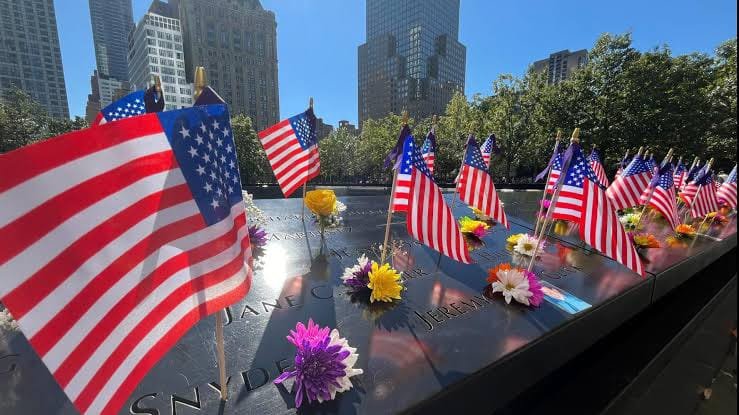
It’s been twenty-five years since the September 11 attacks, but the same old digital sickness keeps popping up on social media. This year, it feels even stronger than before. CyberWell, an Israeli group that keeps an eye on online antisemitism, just put out a new report that’s pretty alarming. They’ve tracked a wave of conspiracy theories blaming Jews and Israel for 9/11 all over big platforms like Meta, Reddit, TikTok, and X. And it’s not just some niche corner of the internet; it’s coordinated, it’s deliberate, and the people spreading it know exactly what they’re doing. They’re looking to turn a massive tragedy into a weapon: eroding trust, undermining democracy, and dividing communities.
What’s striking is how these digital hate actors stay ahead of moderation. They aren’t just recycling old antisemitic tropes; they’re getting clever about hiding their tracks. CyberWell spotted lots of coded language, think juice box emojis used as a wink and nudge signal for “Jews,” dodging automatic keyword detection. You can still find grotesque caricatures, like the “Happy Merchant,” and direct harassment toward Jewish individuals. The “Dancing Israelis” myth and ugly smears against people like Larry Silverstein, who survived the attacks, are making the rounds again. It’s surreal, people are reframing one of America’s worst tragedies as a story of Jewish culpability.
Unlike temporary conspiracy spikes that flare up around breaking news and quietly fade, these 9/11 mythologies have shown a disturbing ability to persist and mutate over decades. CyberWell points out that the narrative has transformed into an foundational framework for modern online hate. Extremists regularly invoke the false premise of Jewish responsibility for September 11 as alleged proof to validate newer accusations, whether attributing recent natural disasters, political shifts, or global financial instability to the same shadowy forces. By serving as a reusable template for scapegoating, these falsehoods do not simply misrepresent an event from 2001; they continuously feed a broader ecosystem of prejudice, lowering the threshold for conspiracy theories to gain mainstream traction whenever a fresh crisis strikes.
Let’s get something straight: 9/11 wasn’t only an attack on the United States, it was an attack on the free world. Jewish communities lost hundreds, estimates say between 200 and 400 Jews died in the Twin Towers, including five Israeli nationals. That’s about 10% of the total victims. Daniel Lewin, an Israeli American, tried to fight off the hijackers and was the first to lose his life in the attacks. Turning this horror, where Jews were among the many victims, into anti-Jewish conspiracy isn’t just inaccurate. It’s a cruel rewriting of history.
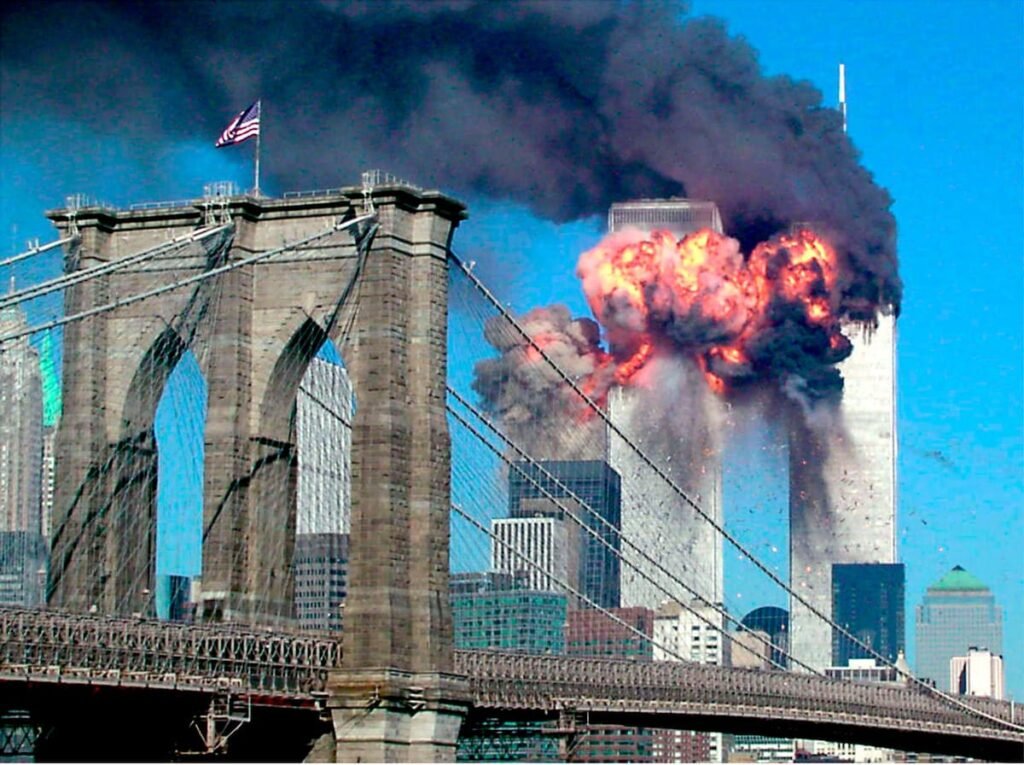
Tal Or Cohen Montemayor, who runs CyberWell, put it plainly: spreading this garbage so close to the anniversary doesn’t just dishonor victims and first responders, it warps the real lessons of 9/11. And honestly, it shows a bigger failure. Platform algorithms tend to amplify whatever’s most sensational, and moderation policies don’t really have ways to handle the deep rooted scapegoating that pops up during big crises. This leaves a lot of hateful content untouched.
The fallout from all this goes way beyond angry comment threads. Tech giants are pouring gigantic amounts of online content, often unfiltered, into the datasets that train their AI tools. If these platforms let conspiracy theories linger, they risk embedding hate and falsehoods right into future digital reference points. Imagine AI tools happily repeating old antisemitic lies as if they’re facts. Stopping this from happening means getting civil society groups involved, ones who actually know how to spot the latest coded language and help platforms adjust before things spiral out of control.
But it’s not just random people stirring up trouble; a lot of these conspiracy theories are getting a big push from hostile foreign states. Disinformation networks tied to Iran, Russia, and others are funding and promoting this stuff as part of their broader strategy to mess with Western democracies. Jews become an easy target, but hate like this usually signals deeper attacks coming for open societies.
For folks in Israel, and anybody paying attention, watching these ancient lies mutate for the digital age is tough. Social media lets old tropes reach millions in seconds, and nothing really stops it from crossing borders. There’s a real need to treat online hate not as a minor PR headache for tech companies, but as something that threatens national and international security.
Letting these conspiracy theories run wild isn’t just a missed opportunity, it’s a failure to protect the public square. We need the tech platforms, intelligence agencies, and civil society working together in real time to identify and stamp this stuff out. Tech companies should be held to high standards, closing loopholes and removing hate content that blames victims for their own tragedy. If we actually demand accountability, maybe we can protect historical truth, honor the people lost on September 11, and make sure democracies don’t cave in to this orchestrated hate.