Tehran’s New Command and the End of Diplomacy
The collapse of the Islamabad Memorandum after its sixty day window isn’t just a bureaucratic failure or a sign of diplomatic fatigue. For those of us watching from Jerusalem, tracking the tightening grip of Tehran’s newly consolidated leadership, it marks the end of a naive experiment in Western statecraft. For two months, various analysts and international observers clung to the hope that Iran’s internal power struggle during the illness of its new Supreme Leader, Mojtaba Khamenei, might crack open a real strategic opening. We were told a more pragmatic faction was emerging, one willing to trade nuclear concessions and regional quiet for sanctions relief. That window has slammed shut now, and what’s taken its place is far less forgiving.
We have to confront something plainly. Our adversaries in Tehran have gone through a fundamental shift in their command structure. When Ali Khamenei was eliminated in that precision strike last February, it created a vacuum that forced the IRGC to operate with real independence for the first time in years. During that stretch, the Iranian diplomatic machinery, represented by figures like Abbas Araghchi and Masoud Pezeshkian, appeared to hold a mandate to stall, maneuver, and negotiate. It’s entirely possible they were acting out of necessity rather than conviction. With the Supreme Leader physically incapacitated, recovering from the same strike that killed his father, the security establishment needed time. They needed the Islamabad framework to hold off the pressure of a full scale naval blockade while they quietly regrouped behind the scenes.
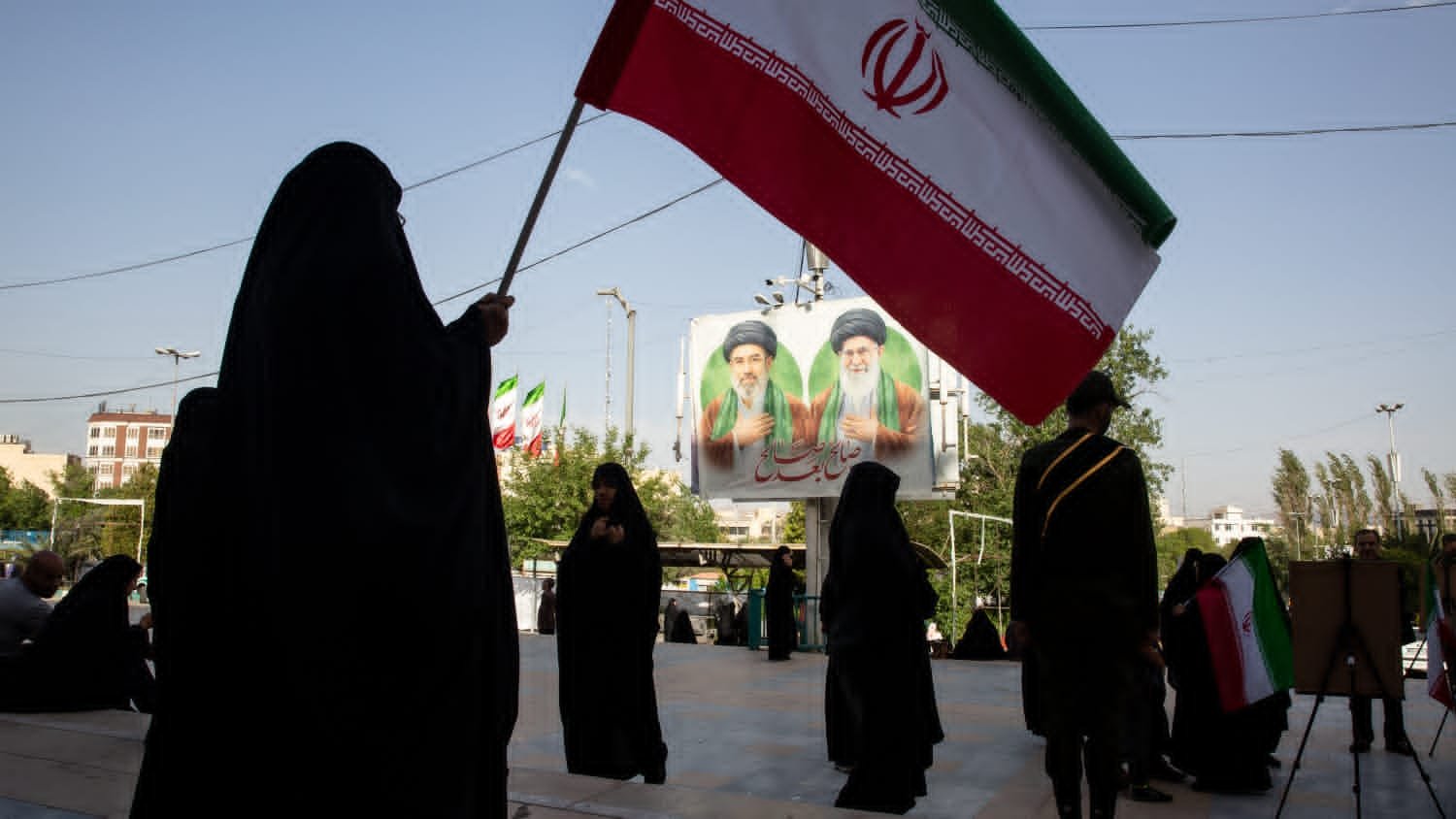
The return of Mojtaba Khamenei to active duty isn’t just a restoration of the status quo. It’s an escalation of the hardline agenda outright. The appointment of Mohsen Rezaei as secretary of the Supreme National Security Council is a signal no capital should misread, least of all ours. Rezaei isn’t a diplomat. He’s a man of the trenches, someone who’s spent his life viewing the West through a zero sum lens. Placing a staunch military veteran like that at the helm of strategic decision making tells you the time for nuanced diplomacy is over as far as Tehran is concerned. They’ve opted for a posture of offensive war because they believe their internal house is finally in order.
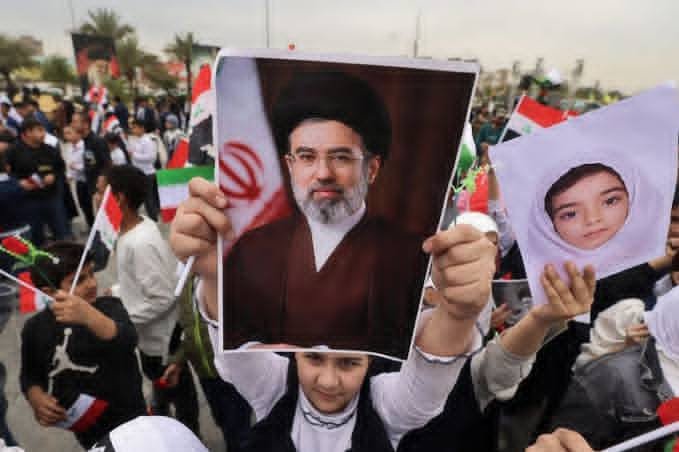
The failure of the memorandum exposes a recurring weakness in Western policy, the assumption that Iran treats diplomacy as a tool for resolution rather than a weapon for survival. While Washington and other capitals were preoccupied with the finer points of asset releases and nuclear monitoring, the regime in Tehran was simply watching the clock. They used those sixty days to stabilize their internal hierarchy, secure IRGC loyalty, and prepare for a sustained confrontation. Israel has understood for a long time now that there is no partner for peace inside the current structure of the Islamic Republic. Yet the international community somehow keeps being surprised every time the regime chooses ideological rigidity over economic survival.
There’s a grim irony in how this all played out. We’ve seen reports of international mediators, including those from Pakistan, trying to keep channels open by acting as buffers between the two sides. Pakistan’s desire to prevent a regional conflagration on its own border is understandable, sure, but it often creates a false equivalency that ends up serving Iran’s interests more than anyone else’s. Every attempt to treat Tehran as a rational actor that can simply be bought off with market access ignores the core tenets of how this regime actually governs. As long as the regime’s survival stays tied to projecting external power, it will never be untethered from its maximalist goals.
The economic fallout is already visible, with Brent crude climbing above ninety dollars a barrel. For the global economy, that’s a crisis. For the regime in Tehran, it’s a lever. By holding the Strait of Hormuz hostage, they’re trying to turn the world against the very sanctions regimes meant to curb their nuclear ambitions in the first place. They’re betting that Western fatigue will eventually force a compromise favoring Tehran. It’s a cynical calculation, but one that’s historically paid off for them more often than not.
Jerusalem should read this development as a clear call to action. The era of believing we can separate the legitimate security needs of our citizens from the political survival of the Iranian regime is over. The people currently shaping policy in Tehran have burned their bridges with the West. They’re operating under the belief that survival can only be achieved through direct military and proxy aggression. Any talk of reviving the Islamabad Memorandum or finding a new set of negotiators is a distraction from the reality on the ground. We are no longer dealing with a state that wants to be integrated into the international order. We are dealing with a regime that wears its isolation like a badge of honor.
Strategic planning for the coming months has to reflect this reality. The military strength we hold isn’t just an insurance policy. It’s the only language currently understood in the halls of Tehran. The idea that we can manage this threat through regional mediation or temporary truces is a dangerous illusion, one we can’t afford to keep indulging. When a regime appoints a veteran commander like Rezaei to lead its national security policy, it’s telling the world exactly what it intends to do. It intends to fight.
We must prepare for a long term diplomatic and economic struggle. The erosion of international consensus around Israel’s right to defend itself is a real challenge, but it’s one we have to address with absolute clarity, not hesitation. We cannot mortgage our future waiting for a change in Tehran that isn’t coming anytime soon. The tide in the Middle East has moved past the possibility of easy diplomatic fixes. The Supreme Leader is back in control, and he is a man who knows nothing but the struggle. Our policy has to reflect that reality. The coming phase of this conflict will be defined by endurance, precision, and the recognition that when our enemies define themselves by our destruction, there is no room left for diplomatic hedging. We are on our own, and we have to act accordingly.