A critical analysis of Israel’s political opposition, its strategic shortfalls, and the core requirements for a viable alternative vision for the state.
The Vacuum of Opposition Strategy
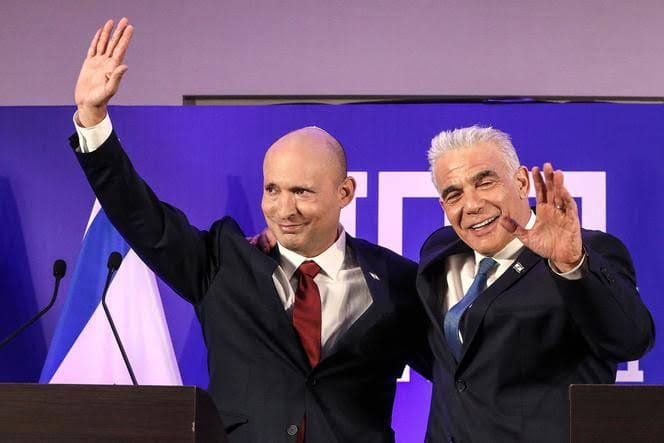
The longevity of Benjamin Netanyahu in Israeli politics is not merely a testament to his own tactical brilliance. It is a damning reflection of an opposition that has systematically refused to grow up. For years, his political opponents have mistaken the national exhaustion of a traumatized public for an invitation to take power without earning it. They cycle through retired generals, rebrand stale factions, and step before the cameras with a single hollow pitch. They are not Netanyahu. That is a protest chant, not a governing mandate. It is a negative identity that collapses the moment voters ask what comes next. As long as the alternative to the current prime minister remains an empty chair wrapped in personal grievance, Netanyahu holds an indestructible insurance policy.
Accountability and Executive Responsibility
This dynamic shields him from the full political reckoning he is due. The catastrophic failures of October 7 occurred on his watch. The decades-long conception that a violent, genocidal Islamist terror group could be managed, contained, and bought off with work permits and Qatari cash died in the smoke and blood of the western Negev. No credible inquiry has proven he received a flashing red operational warning and chose to ignore it. Yet executive responsibility goes far beyond a memo left on a desk. Netanyahu presided over the doctrine of containment that collapsed. He championed the policies that fostered a false sense of security while Hamas built its underground empire. He must answer for that failure before history and at the ballot box.
Acknowledging Modern Achievements
Yet holding a leader accountable requires intellectual honesty, not historical amnesia. The sovereign, technologically dominant, globally formidable Israel that the opposition so desperately wants to govern is in large part the modern state built under Netanyahu’s lengthy tenure. Israel is no longer a fragile, developing nation begging for international charity. It is a regional economic powerhouse, a high-tech titan, an OECD member state, and a diplomatic player that shattered old taboos by forging open trade and security ties across the Middle East. Netanyahu did not achieve this alone, and his governance is deeply scarred by division and institutional decay. But any successor who believes they can lead this country simply by pointing out that they are tired of Netanyahu is dangerously delusional.
Statecraft vs. Domestic Opposition
The primary structural flaw of the anti-Netanyahu camp lies in its persistent refusal to articulate a coherent strategic vision that matches the brutal realities of the post-October 7 Middle East. Winning domestic votes through protest momentum is only the opening act. Statecraft requires an acute fluency in international power dynamics, an intimate understanding of Washington’s shifting corridors, the resilience to withstand hostile global media, and the stature to command respect in Arab capitals and European ministries. Israel is not looking for a municipal manager with a grand title. It requires leaders who understand that every sentence uttered abroad, every press conference, and every diplomatic maneuver dictates whether the Jewish state is perceived as disciplined, resolute, and sovereign, or fractured and hesitant.
“As long as the alternative to the current prime minister remains an empty chair wrapped in personal grievance, Netanyahu holds an indestructible insurance policy.”
Breaking Free from Obsolete Paradigms
This international fluency must be anchored in absolute clarity regarding national survival. Too many figures in the opposition still mouth the tired slogans of the old two-state paradigm as if the massacres of October 7 never occurred. They cling to diplomatic fantasies drafted in foreign capitals that treat Palestinian statehood as an inevitable moral reward rather than an existential security threat. Recent polling data underscores a massive chasm between this out-of-touch political class and the Israeli public. A vast majority of Israelis understand that carving a sovereign, militarized terror state right into the hills overlooking Tel Aviv, Ben-Gurion Airport, and the coastal plain is national suicide.
Sovereignty, Security, and Realistic Governance
A credible alternative government cannot be built on the quicksand of diplomatic denial. Palestinians deserve civil administration, economic opportunity, and local self-governance, but sovereignty is entirely different. It brings armies, airspace, weapons imports, and international treaties. Granting statehood in the heart of the country after Gaza was turned into an Iranian-backed rocket fortress is a risk no sane nation can take a second time. Furthermore, the persistent international demand for a Palestinian right of return reveals the ultimate trap of the old formulas. It is a demographic weapon designed to dismantle Jewish sovereignty from within. Until the opposition breaks free from these obsolete dogmas and learns to prioritize absolute security over diplomatic applause, it will remain unelectable to a traumatized Israeli majority.
Expanding Hard-Headed Realism
The success of the Abraham Accords proved that regional integration does not require surrendering to Palestinian vetoes. Arab partners discovered they could build deep economic and technological bridges with Jerusalem based on shared interests and mutual strength, without waiting for Ramallah to grant permission. Any future government worthy of leading Israel must expand upon that hard-headed realism, forging deeper alliances to counter the Iranian threat axis rather than dragging the country backward into failed blueprints.
The Standard for Future Leadership
Until the opposition matures past its lazy reliance on the slogan of not being Netanyahu, the prime minister remains insulated. Israel deserves a genuine contest of governing visions, not a perpetual cycle of personal referendums. Replacing a leader requires proving an ability to carry the immense burden of Jewish sovereignty before a hostile world while protecting the nation at home. Until his rivals rise to that historic standard, Netanyahu’s greatest asset will remain the weakness of those trying to unseat him.