Strategic Analysis of Turkey’s Transformation into an Anti-Israel Terror Hub
1. The Dismantling of Secular Governance
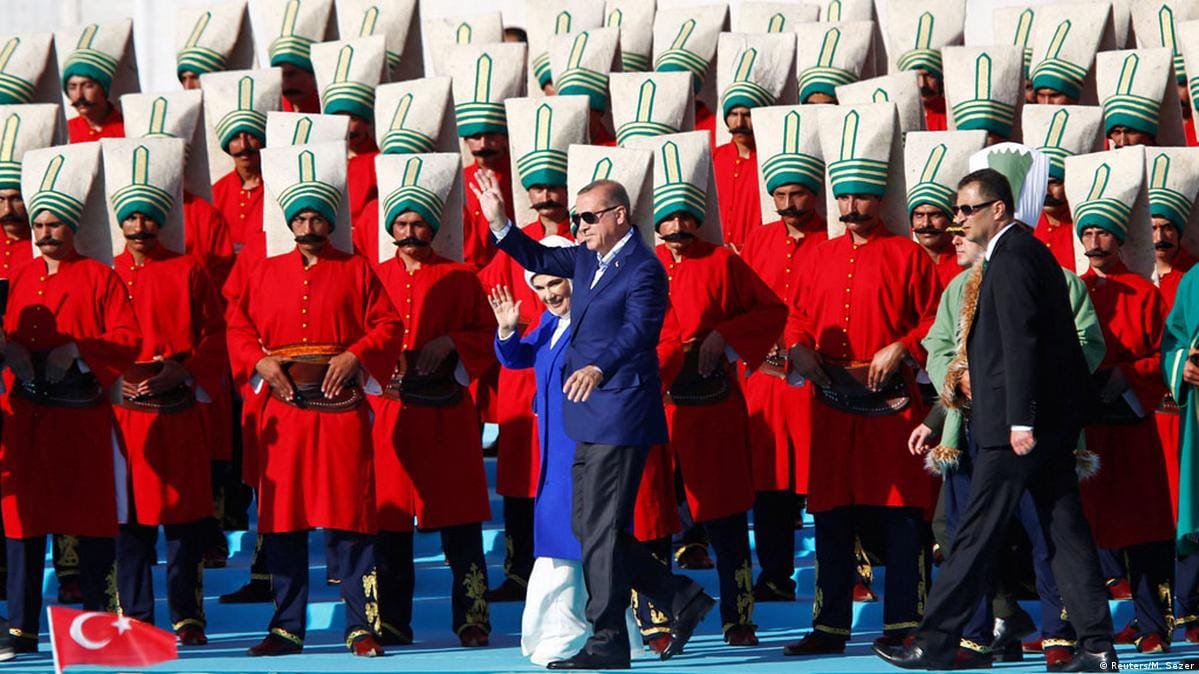
Eighteen years ago, a university lecturer from Istanbul guided hikers through the eastern peaks of the Kackar Mountains. He delivered a quiet, prophetic warning to his Israeli guests: enjoy the scenery now, because the warmth will not last. Long before Western foreign policy elites realized it, ordinary Turks watched Recep Tayyip Erdogan dismantle Mustafa Kemal Ataturk’s secular republic. They saw him systematically replace it with a radicalized, Sunni Islamist political project aimed directly at Israel. The transformation is complete. Turkey has evolved from a transactional regional partner into an explicit operational base for anti-Israel terror.
2. Collapse of the Strategy of Wishful Thinking
The security establishment in Jerusalem can no longer afford the illusion that Erdogan’s hostility is mere political theater meant for domestic consumption. When a sovereign state harbors the command structure of a terrorist network, rhetoric becomes policy. For years, Israeli decision makers comforted themselves with the belief that economic ties and NATO membership would keep Ankara within reasonable bounds. That strategy of wishful thinking lies in ruins.
3. Operational Mechanics in Istanbul
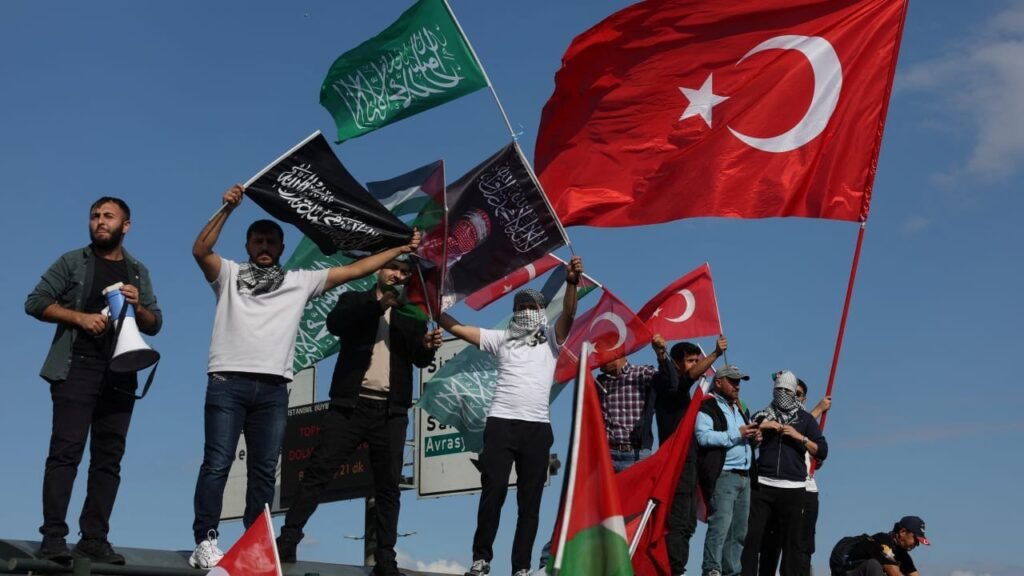
Israel’s Shin Bet security agency and the IDF exposed the operational mechanics of this reality, confirming that Hamas’s West Bank Headquarters operates unhindered out of Istanbul. Top operatives like Zaher Jabarin, who manages the group’s financial empire, and Ayman Abu Khalil, who heads its military wing in the territory, use Turkish soil to recruit cells, transfer millions in illicit funds, and direct terror attacks inside Judea, Samaria, and Israeli cities. Operatives like Ayman Sharawna, Salam Yaish, and Walid Abu Nassar coordinate logistical hubs from Turkish apartments while local authorities look the other way.Intelligence disclosures revealed that Turkey-based Hamas handler Mahmoud Radwan recruited operatives directly during meetings in Turkey. In another foiled plot, a student cell from Birzeit University led by Mahmoud Anjatz received military training, weapons, and tens of thousands of dollars coordinated directly by high-ranking Hamas officials in Istanbul. In one thwarted attack, a twelve-kilogram fragmentation bomb intended for a suicide strike inside Israel was traced directly back to operational instructions issued from Ankara. Security forces previously intercepted sixteen tons of explosive precursor material shipped from Turkish ports bound for Gaza terror networks.
4. Presidential Protection for Terror Networks
This is not passive tolerance; it is active facilitation. Released terrorists from the 2011 Gilad Shalit prisoner exchange, including Musa Akkari, who participated in the 1992 kidnapping and murder of Border Police officer Nissim Toledano, operate freely across Istanbul. Akkari revealed that Erdogan personally assured Hamas leaders that Turkey would protect them just as it protects its own children. When a head of state promises presidential protection to convicted murderers, the line between host state and sponsor vanishes completely.
5. The Neo-Ottoman Power Vacuum
Erdogan’s ambition extends far beyond proxy warfare—he views current regional shifts as a historical opening to fulfill his neo-Ottoman fantasy. With the Iranian-led axis severely degraded following sustained Israeli operations against Hezbollah, Hamas, and Tehran’s regional apparatus, Ankara sees a massive power vacuum waiting to be filled. Erdogan does not merely seek a seat at the table. He wants to lead the Sunni Muslim world and establish Turkey as the dominant strategic power across the Middle East.
6. Aerospace Expansion and Military Modernization
Power requires military force, and Ankara is building it rapidly. Turkey’s defense and aerospace exports surged past ten billion dollars, hitting a record eleven billion on an annualized basis. The sector now accounts for nearly four percent of total Turkish exports, delivering advanced hardware to over one hundred eighty countries. The Turkish Armed Forces boast the Tayfun Block 4 ballistic missile with an eight-hundred-kilometer range, an expansive fleet of Bayraktar military drones, and expanding naval forces pushing aggressively into the Eastern Mediterranean. As Ankara modernizes its military establishment and pursues domestic fighter jet production, the qualitative military edge that Israel relied on for decades faces structural pressure.
7. Manufactured Legitimacy and Structural Threats
For Erdogan, Hamas is a primary strategic asset. By embracing the terror group as liberation fighters and comparing them to Turkey’s historic independence forces, he manufactures legitimacy across the Arab street. Supporting terrorism provides him with a cheap, low-risk tool to harass Israel, project power, and undermine regional normalization projects like the Abraham Accords. Turkish organizations like the IHH Humanitarian Relief Foundation maintain documented ties to terror networks, even seeking satellite mapping data to refine missile targeting against Israeli population centers.
8. The NATO Shield and Strategic Realities
Israel must digest the bitter lesson of October 7: when radical leaders explicitly state their intentions, believe them. The argument that Turkey’s NATO membership will restrain Erdogan is dangerous revisionism. NATO has provided Ankara with a diplomatic shield, allowing it to harbor Hamas commanders, launch incursions into Syria, and threaten Mediterranean stability without facing real consequences from Western allies. Fifty-six percent of Turkish defense exports still go to NATO and EU countries, funding the very industrial base that arms Israel’s enemies.Erdogan’s public rhetoric has shifted from defending Palestinians to claiming that Israeli operations directly threaten Turkey’s national security. When a hostile leader pairs that level of incitement with a booming defense industry and a protected terror hub, Israel is not looking at a diplomatic disagreement. It is looking at an emerging long-term strategic threat.
9. Strategic Policy Countermeasures
Israel can no longer respond with tactical intelligence operations alone—the strategy must change. Jerusalem needs to press Washington and European capitals to treat Turkey as a state sponsor of terrorism in all but name. Turkish defense firms linked to Hamas financiers must face severe secondary sanctions, and Ankara’s access to Western defense technology should be conditioned on the immediate expulsion and extradition of terror operatives.The days of viewing Turkey as a sun-drenched resort destination for Israeli families are over. The regime in Ankara has chosen its side. If Israel fails to confront this reality today, the Turkish threat will not stay confined to the mountains of the north. It will arrive on our doorstep.