
By Noam Shalev
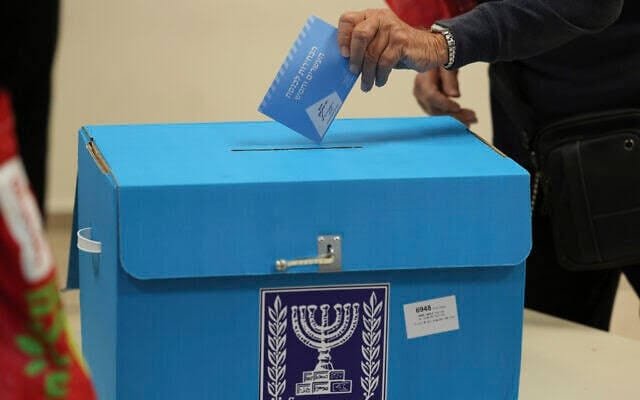
With just a week left before Israelis head to the polls on October 27, you can feel the tension in Washington. The political gears are grinding, and they are not moving in perfect sync. On Sunday, President Donald Trump went all in for Prime Minister Benjamin Netanyahu. He posted on Truth Social, calling Netanyahu a “Great Warrior Prime Minister,” and warned Israel that choosing anyone else means America ends up handling regional threats on its own. Trump’s message was not subtle, it was a bold play to boost Likud’s chances with a simple message: Netanyahu or chaos.
But that unity did not last long. Less than a day later, Vice President JD Vance did not just sidestep Trump’s endorsement, he actively distanced himself from it. When longtime reporter Mark Halperin pressed Vance about whether he agreed with Trump, Vance did not budge. He said his focus was on the upcoming US midterm elections, and that he only endorses American candidates, not Israeli ones. Even when Halperin pushed harder, Vance would not give in. He said, point blank, he is not here to endorse or oppose Netanyahu. He just is not getting involved.
It would be easy to chalk Vance’s answer up to polite, buttoned up diplomacy. But that misses what is really happening. You rarely see a vice president break with the president over big foreign policy declarations, especially when the president connects it to something as core as national security. The decision by Vance was strategic, almost a quiet protest. It points to a genuine policy split inside the administration over Israel’s future, and it says something bigger about the changing mood within the American populist right.
This is not coming out of nowhere. Vance has always kept Netanyahu and the current Israeli government at arm’s length. While Trump’s inner circle is full of officials who are closely tied to Netanyahu, Vance never signed up for that club. Reports of their last high level meeting in Washington, back in July, describe it as tense, even icy. Vance is plugged into a rising wave of American nationalism. People in this camp do not want the US to get dragged deeper into old alliances or endless foreign disputes. They see automatic endorsements of foreign leaders, even of close allies, as a bad habit, one that puts America in tricky positions for little gain.
There is also a deep domestic calculation here. With midterms coming up, gas prices flirting with $4.30 a gallon, and the cost of overseas conflicts hitting home, American politicians are reading the room. There is real fatigue and even anger among voters about getting pulled into foreign crises. Trump’s warning, that dumping Netanyahu will force Americans to pick up the slack against Iran, resonates with his die hard supporters. But Vance senses a political danger: if the White House ties its fortunes too closely to Netanyahu and things go sideways, the blowback could be brutal.
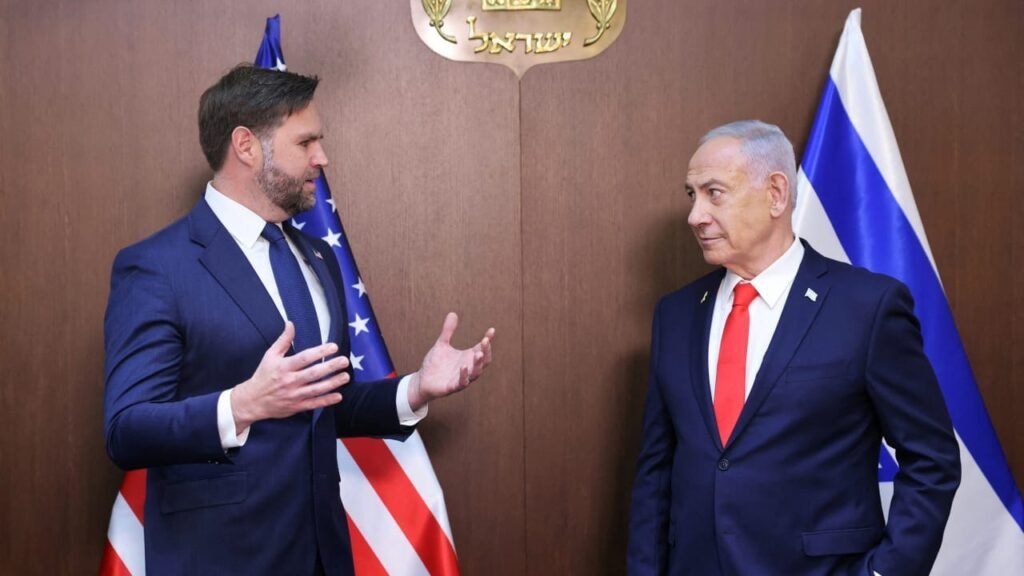
Israeli voters should take note. For years, Israeli politicians have used Washington backing, or at least the appearance of it, as a trophy in their election campaigns. Netanyahu, in particular, has made his friendship with Trump a centerpiece of his own political brand. But Vance’s stance shows that Washington is not just one voice anymore. You cannot count on an automatic green light from America.
Sure, Trump’s support still means a lot to right leaning Israelis. But Vance is part of the party’s younger guard, and he is carrying weight with the populist conservatives who might shape the Republican future. He is signaling that, going forward, US support for Israeli leaders will come with tougher demands and more cautious deals. The era of simple cheerleading is fading.
This should cut through the noise for Israeli voters right now. With polls showing a split electorate and a tough battle between Gadi Eisenkot’s opposition alliance and Netanyahu’s camp, foreign endorsements threaten to distract from what actually matters. Trump makes it sound like anything short of reelecting Netanyahu will break the US Israel alliance, but that is spin. Vance, perhaps despite himself, is giving a dose of reality: US policy adapts to whoever sits in Jerusalem, always chasing American interests above personal ties.
In the end, Israel cannot base its strategy on foreign friendships or campaign favors. Whatever government emerges, Likud, opposition, or something new, Israel’s job stays the same: protect national security, defend its independence, and face its complex region with clear, unsentimental thinking.
Vance’s reluctance serves as a healthy wake up call. Foreign endorsements come and go, especially in campaign season. What lasts is the simple fact that Israel’s security and its future are up to its own citizens, no statement from Washington is going to change that.
About the Author
Noam Shalev is a Political Affairs Commentator covering Israeli government policy, US-Israel relations, coalition politics, and diplomatic engagement across the Middle East.